Jeanette R. Malkin - Böcker
Visar alla böcker från författaren Jeanette R. Malkin. Handla med fri frakt och snabb leverans.
5 produkter
5 produkter
1 288 kr
Skickas inom 7-10 vardagar
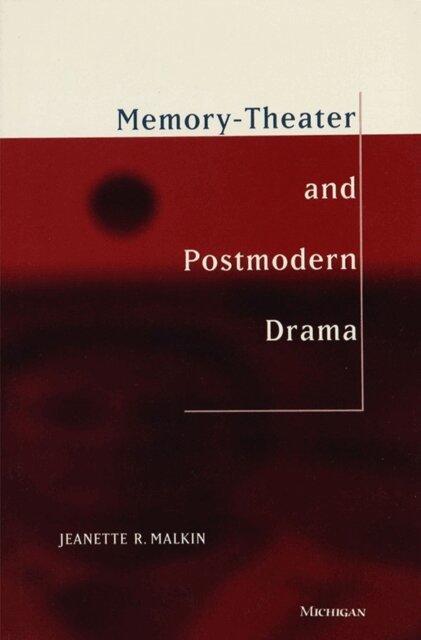
This book examines the theme of memory in a range of plays by contemporary American and European playwrights, including Samuel Beckett, Heiner Müller, Sam Shepard, Adrienne Kennedy, Suzan-Lori Parks, Thomas Bernhard, and Elfriede Jelinek. Jeanette R. Malkin proposes that postmodern drama--that is, drama since the 1970s--can be defined and examined according to the ways it recasts history and engages memories of the past. Details from our cultural and historical past are of course always fundamental elements of literature and theater: the past haunts the stage. But is the past as it is represented on stage actually the true past? In many of the plays examined in Malkin's book, the past is no longer grounded. Instead, it is a past which floats within the collective unconscious, in a place of fragmented collective identity. These plays "remember" in ways parallel to the theories of knowledge that inform them and thus become paradigms for a vision of the world. Malkin's study seeks answers to questions such as: what are the connections between contemporary drama and processes of memory? How do contemporary aesthetics shape these plays and the memories that they enact? What is remembered and how is the audience targeted? Why is memory so central to so many postmodern theater texts? In answering these questions, Malkin compellingly demonstrates how the past is made present within the double walls of memory and of the theater. "A very important book that bids to be a 'must have' on the timely topic of history versus memory as it is represented in theater." --John Rouse, University of California, San Diego Jeanette R. Malkin is Senior Lecturer in the Department of Theatre Studies, Hebrew University, Jerusalem.
493 kr
Skickas inom 7-10 vardagar
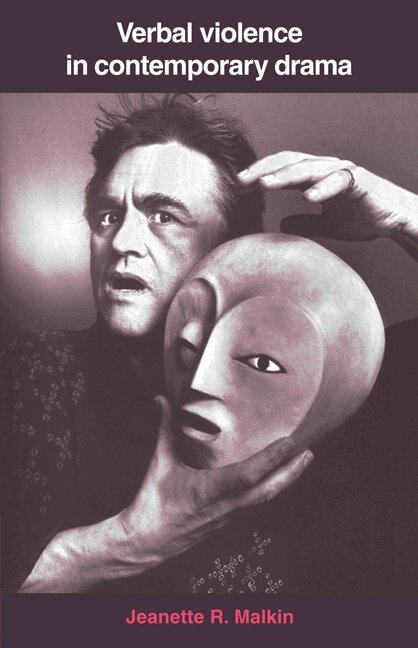
In this book, Jeanette Malkin considers a broad spectrum of post-war plays in which characters are created, coerced and destroyed by language. The playwrights examined include Handke, Pinter, Bond, Albee, Mamet and Shepard, as well as Vaclav Havel and two of his plays: The Garden Party and The Memorandum. These playwrights portray language's power within our political, social and interpersonal worlds. The violence that language does, the 'tyranny of words', grabs centre stage in their plays. Characters are manipulated and defined through language, their actions and identity limited by verbal options, in order to reveal the links between language and power. The book will be of interest to students and scholars of drama, theatre history, American and European literature, and comparative literature.
1 371 kr
Skickas inom 7-10 vardagar
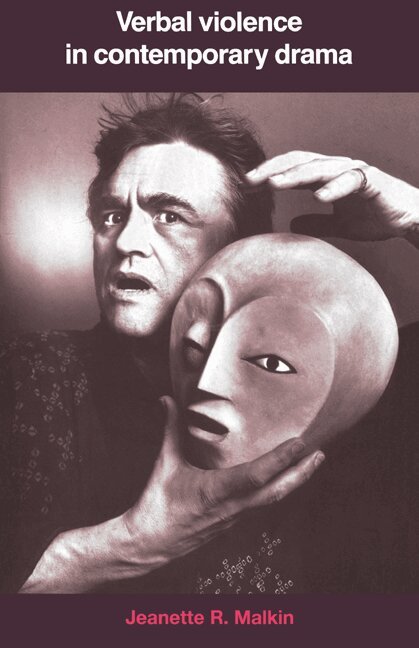
In this book, Jeanette Malkin considers a broad spectrum of post-war plays in which characters are created, coerced and destroyed by language. The playwrights examined include Handke, Pinter, Bond, Albee, Mamet and Shepard, as well as Vaclav Havel and two of his plays: The Garden Party and The Memorandum. These playwrights portray language's power within our political, social and interpersonal worlds. The violence that language does, the 'tyranny of words', grabs centre stage in their plays. Characters are manipulated and defined through language, their actions and identity limited by verbal options, in order to reveal the links between language and power. The book will be of interest to students and scholars of drama, theatre history, American and European literature, and comparative literature.
1 343 kr
Skickas inom 10-15 vardagar
The first of its kind, this companion to British-Jewish theatre brings a neglected dimension in the work of many prominent British theatre-makers to the fore. Its structure reflects the historical development of British-Jewish theatre from the 1950s onwards, beginning with an analysis of the first generation of writers that now forms the core of post-war British drama (including Tom Stoppard, Harold Pinter and Arnold Wesker) and moving on to significant thematic force-fields and faultlines such as the Holocaust, antisemitism and Israel/Palestine. The book also covers the new generation of British-Jewish playwrights, with a special emphasis on the contribution of women writers and the role of particular theatres in the development of British-Jewish theatre, as well as TV drama. Included in the book are fascinating interviews with a set of significant theatre practitioners working today, including Ryan Craig, Patrick Marber, John Nathan, Julia Pascal and Nicholas Hytner. The companion addresses, not only aesthetic and ideological concerns, but also recent transformations with regard to institutional contexts and frameworks of cultural policies.
434 kr
Skickas inom 10-15 vardagar
The first of its kind, this companion to British-Jewish theatre brings a neglected dimension in the work of many prominent British theatre-makers to the fore. Its structure reflects the historical development of British-Jewish theatre from the 1950s onwards, beginning with an analysis of the first generation of writers that now forms the core of post-war British drama (including Tom Stoppard, Harold Pinter and Arnold Wesker) and moving on to significant thematic force-fields and faultlines such as the Holocaust, antisemitism and Israel/Palestine. The book also covers the new generation of British-Jewish playwrights, with a special emphasis on the contribution of women writers and the role of particular theatres in the development of British-Jewish theatre, as well as TV drama. Included in the book are fascinating interviews with a set of significant theatre practitioners working today, including Ryan Craig, Patrick Marber, John Nathan, Julia Pascal and Nicholas Hytner. The companion addresses, not only aesthetic and ideological concerns, but also recent transformations with regard to institutional contexts and frameworks of cultural policies.