Jeanine de Roy van Zuijdewijn – författare
Visar alla böcker från författaren Jeanine de Roy van Zuijdewijn. Handla med fri frakt och snabb leverans.
5 produkter
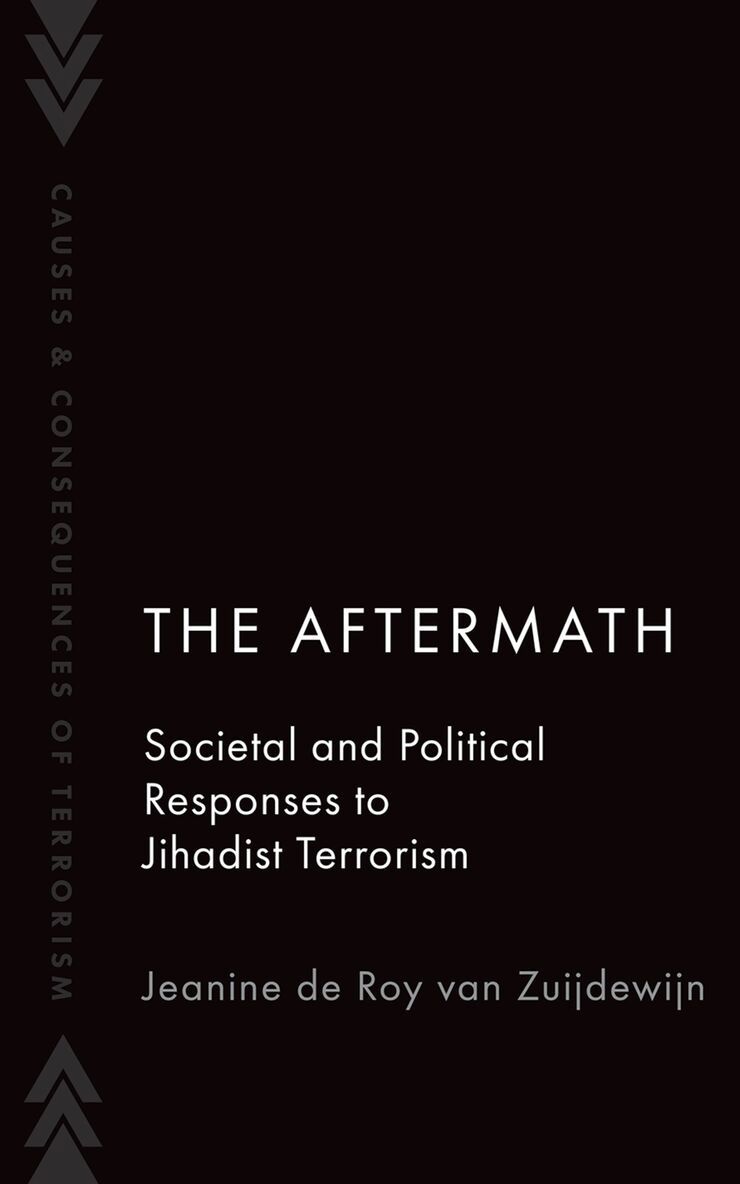
The Aftermath
Societal and Political Responses to Jihadist Terrorism
Av Jeanine de Roy van Zuijdewijn
Inbunden, 2025
900 kr
Lägg i varukorg
Terrorist attacks are a means to an end. Terrorists use violence to spread fear and garner attention in order to achieve political or ideological goals. Beyond the direct damage, the societal and political responses of different audiences largely determine the impact of an attack. How different …
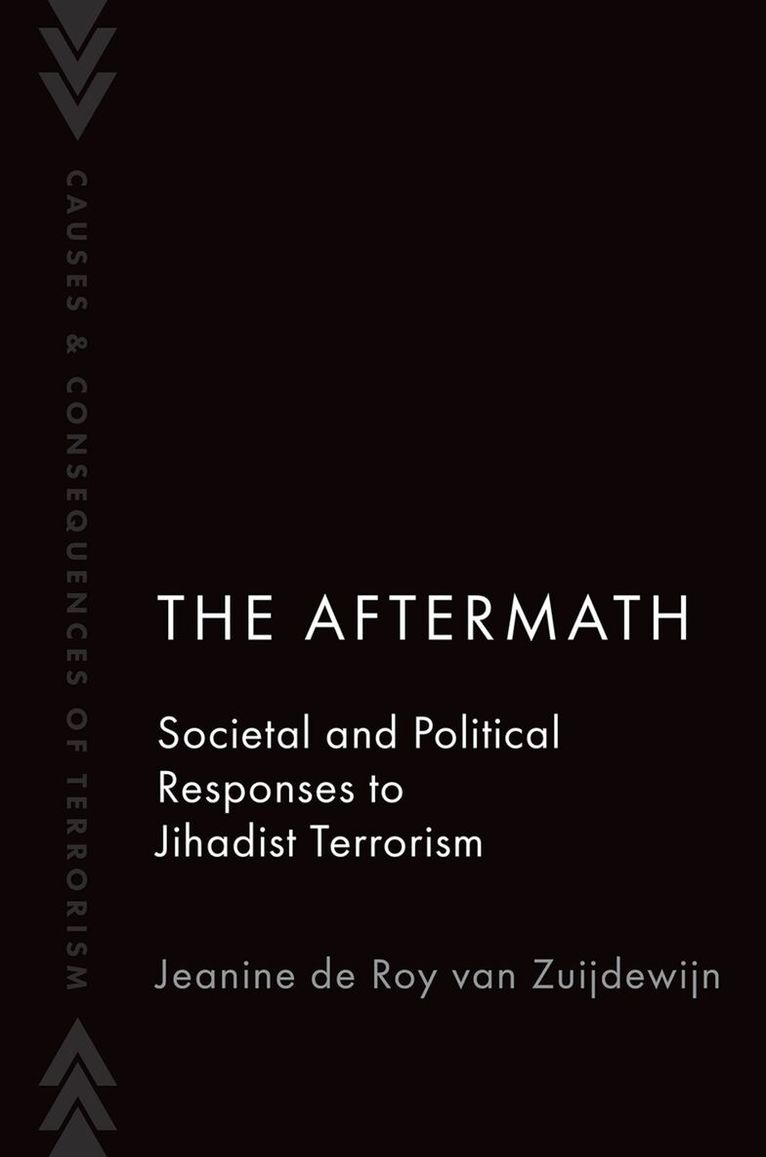
The Aftermath
Societal and Political Responses to Jihadist Terrorism
Av Jeanine de Roy van Zuijdewijn
Häftad, 2025
435 kr
Lägg i varukorg
Terrorist attacks are a means to an end. Terrorists use violence to spread fear and garner attention in order to achieve political or ideological goals. Beyond the direct damage, the societal and political responses of different audiences largely determine the impact of an attack. How different …
Aftermath
Societal and Political Responses to Jihadist Terrorism
Av Jeanine de Roy van Zuijdewijn
E-bok, 2025
449 kr
Lägg i varukorg
Terrorist attacks are a means to an end. Terrorists use violence to spread fear and garner attention in order to achieve political or ideological goals. Beyond the direct damage, the societal and political responses of different audiences largely determine the impact of an attack. How different …
Aftermath
Societal and Political Responses to Jihadist Terrorism
Av Jeanine de Roy van Zuijdewijn
E-bok, 2025
449 kr
Lägg i varukorg
Terrorist attacks are a means to an end. Terrorists use violence to spread fear and garner attention in order to achieve political or ideological goals. Beyond the direct damage, the societal and political responses of different audiences largely determine the impact of an attack. How different …
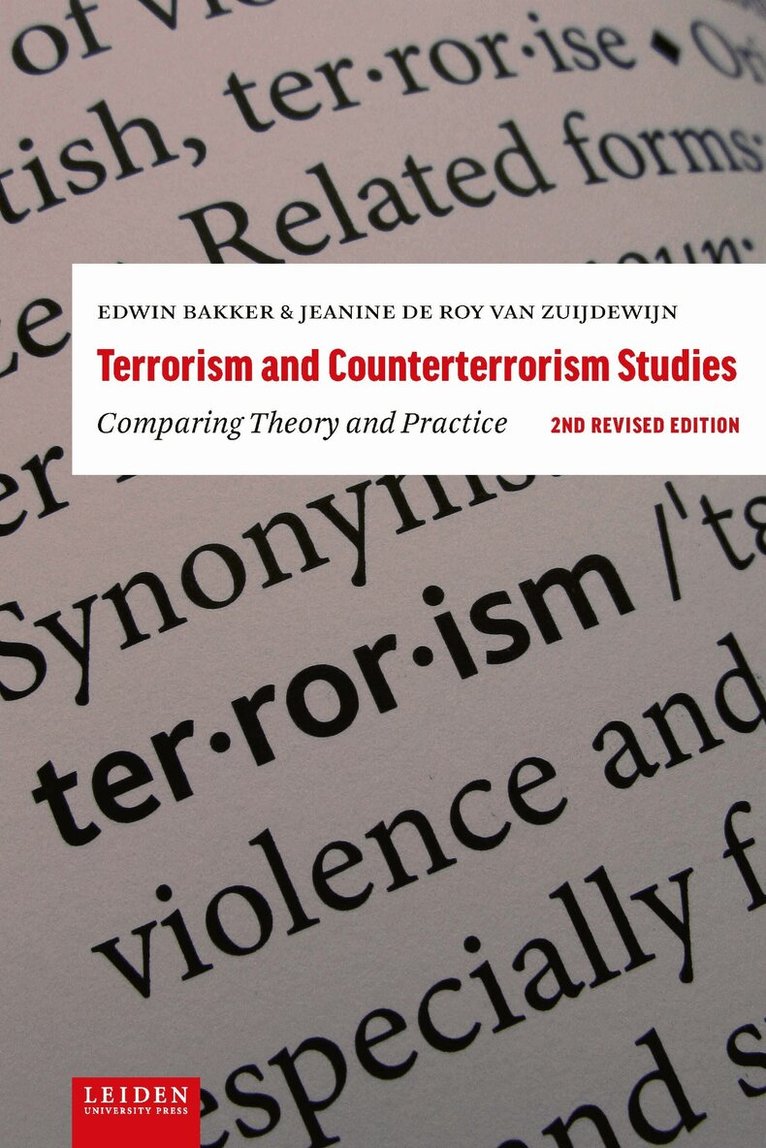
Terrorism and Counterterrorism Studies
Comparing Theory and Practice
Av Edwin Bakker, Jeanine de Roy van Zuijdewijn
Häftad, 2022
412 kr
Lägg i varukorg
Terrorism has arguably been one of the defining factors of our age. In many parts of the world, it has been one of the most important threats to peace, security and stability. But what does this exactly mean? What is the nature of this threat? What can be done about it or how can we at least limit …