Jeannine Carriere - Böcker
Visar alla böcker från författaren Jeannine Carriere. Handla med fri frakt och snabb leverans.
6 produkter
6 produkter
Walking This Path Together
Anti-racist and Anti-oppressive Child Welfare Practice
Häftad, Engelska, 2009
315 kr
Tillfälligt slut
181 kr
Tillfälligt slut
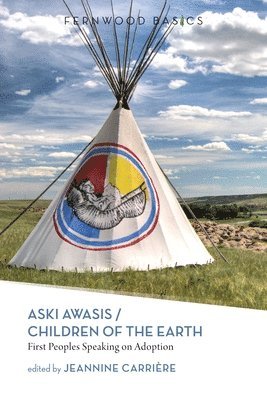
A celebration of the work of Yellowhead Tribal Services Agency (YTSA) in Alberta, this collection of essays describes the agency`s bold new model that integrates First Peoples' adoption practices with provincial adoption laws and regulations. Now expecting closure to the long debate in Canada over adoption of Aboriginal children into non-Aboriginal families, the authors provide stories of good and bad adoptions over the years-and recommend ways to implement the new policies and practices.
Walking This Path Together
Anti-Racist and Anti-Oppressive Child Welfare Practice
Häftad, Engelska, 2015
414 kr
Skickas
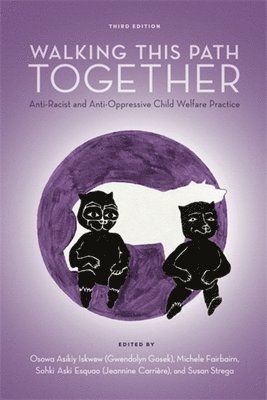
Walking This Path Together is an edited collection devoted to improving the lives of children and families that come to the attention of child welfare authorities by demonstrating and advocating for socially just child welfare practices. In this new, updated edition, authors provide special consideration to the historical and political context of child welfare in Canada and theoretical ideas and concrete practices that support practitioners, educators and students who are looking for anti-racist, anti-oppressive and anti-colonial perspectives on child welfare practice.
Walking This Path Together
Anti-Racist and Anti-Oppressive Child Welfare Practice
Häftad, Engelska, 2025
356 kr
Skickas
Canadian child welfare policies and practices have been central to maintaining a settler colonial nation by controlling and managing the childhoods and future lives of children. While ostensibly grounded in the "best interests of the child," child welfare policies and practices far too often make the lives of young people more precarious because they are stratified along race and class lines rather than caring for their wellbeing. There have been dire consequences for Indigenous communities but also for Black, newcomer, non-citizen and poor people, who are also disproportionately the primary focus of child welfare. The contributors to this book reveal these unjust conditions so that workers can contribute to the ongoing transformation of child welfare to facilitate child wellbeing. The third edition of Walking This Path Together continues the transformative vision of the first two editions and charts a new way forward. There are several new chapters and authors, who focus on Métis kinship protocols, family group conferencing, decolonizing child welfare, and the criminalization of newcomers, refugee children and Indigenous youth in care. They demonstrate how to bring forward transformative practices to moving child welfare into a truly new decolonial era. This transformative vision is the path that we are walking.
305 kr
Skickas
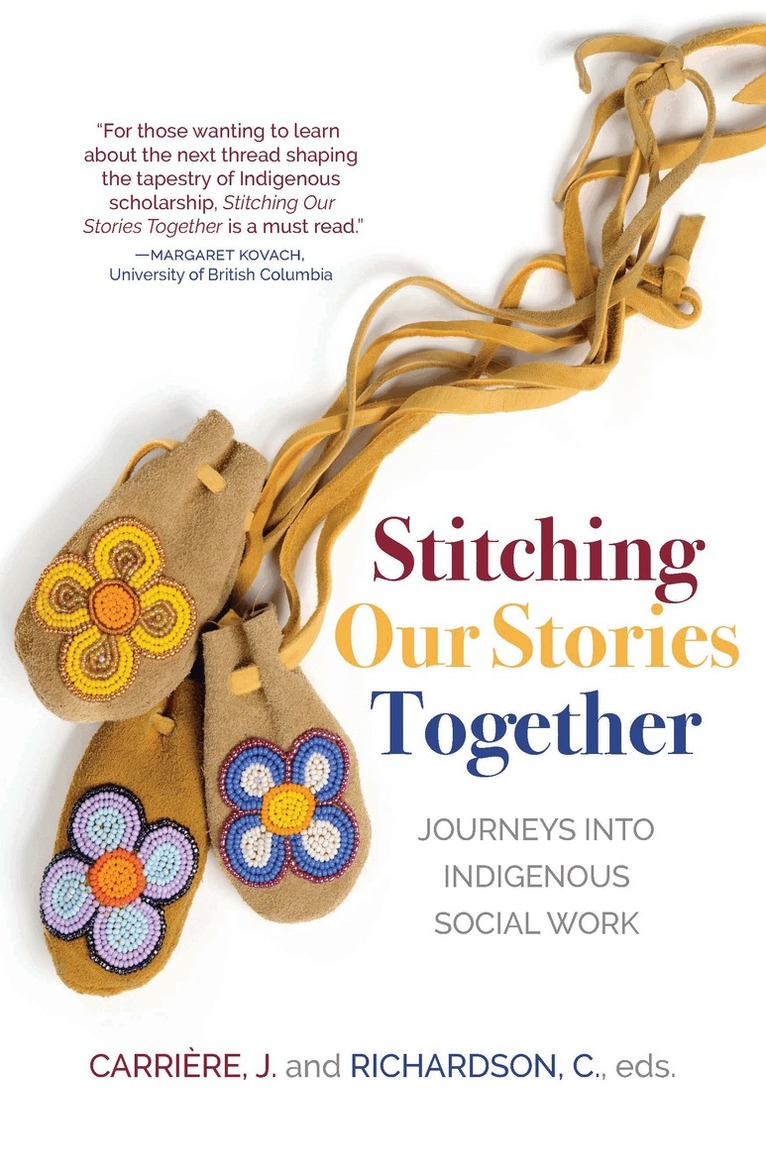
A collection of graduate research by Indigenous social work scholarsStitching Our Stories Together showcases emerging scholars who, by centering their own nations, communities, and individual realities, demonstrate how Indigenous knowledges can challenge settler ideas and myths around pan-Indigeneity. This collection is bookended with reflections from the scholars’ thesis supervisors, who describe their philosophy of mentoring and supporting students through an Indigenous lens, and how their pedagogies embrace the significance of relationality in Indigenous worldviews. Stitching Our Stories Together points toward a future where Indigenous ways of knowing and being take their rightful place in spaces of higher learning and social work practice—a necessary intervention in a discipline that has historically been complicit in colonialist harm.
766 kr
Skickas
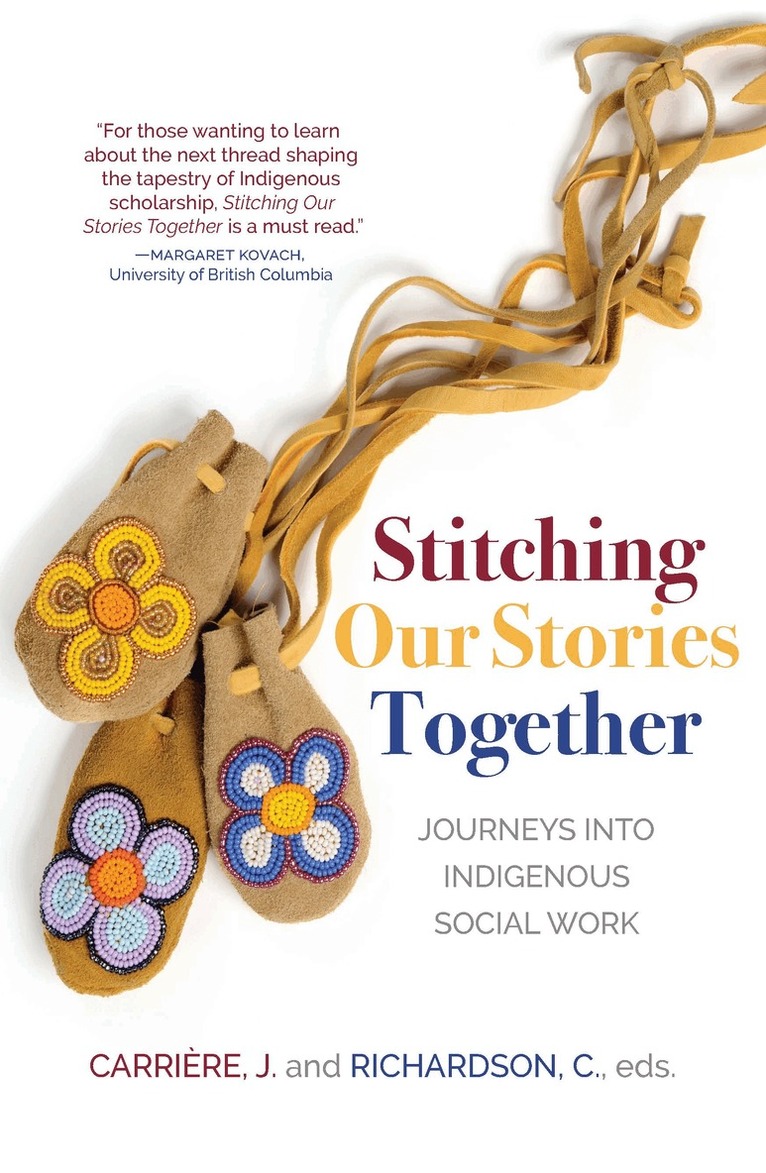
A collection of graduate research by Indigenous social work scholarsStitching Our Stories Together showcases emerging scholars who, by centering their own nations, communities, and individual realities, demonstrate how Indigenous knowledges can challenge settler ideas and myths around pan-Indigeneity. This collection is bookended with reflections from the scholars’ thesis supervisors, who describe their philosophy of mentoring and supporting students through an Indigenous lens, and how their pedagogies embrace the significance of relationality in Indigenous worldviews. Stitching Our Stories Together points toward a future where Indigenous ways of knowing and being take their rightful place in spaces of higher learning and social work practice—a necessary intervention in a discipline that has historically been complicit in colonialist harm.