Jeff Benvenuto - Böcker
Visar alla böcker från författaren Jeff Benvenuto. Handla med fri frakt och snabb leverans.
5 produkter
5 produkter
694 kr
Skickas inom 10-15 vardagar
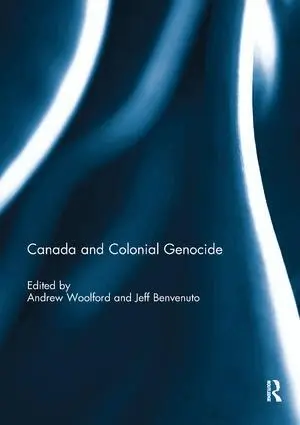
Settler colonialism in Canada has traditionally been portrayed as a gentler, if not benevolent, colonialism—especially in contrast to the Indian Wars in the United States. This national mythology has penetrated into comparative genocide studies, where Canadian case studies are rarely discussed in edited volumes, genocide journals, or multi-national studies. Indeed, much of the extant literature on genocide in Canada rests at the level of self-justification, whereby authors draw on the U.N Genocide Convention or some other rubric to demonstrate that Canadian genocides are a legitimate topic of scholarly concern.In recent years, however, discussion of genocide in Canada has become more pronounced, particularly in the wake of the findings of the Truth and Reconciliation Commission of Canada. This volume contributes to this ongoing discourse, providing scholarly analyses of the multiple dimensions or processes of colonial destruction and their aftermaths in Canada. Various acts of genocidal violence are covered, including residential schools, repressive legal or governmental controls, ecological destruction, and disease spread. Additionally, contributors draw comparisons to patterns of colonial destruction in other contexts, examine the ways in which Canada has sought to redress and commemorate colonial harms, and present novel theoretical and conceptual insights on colonial/settler genocides in Canada. This book was previously published as a special issue of the Journal of Genocide Research.
1 546 kr
Skickas inom 3-6 vardagar
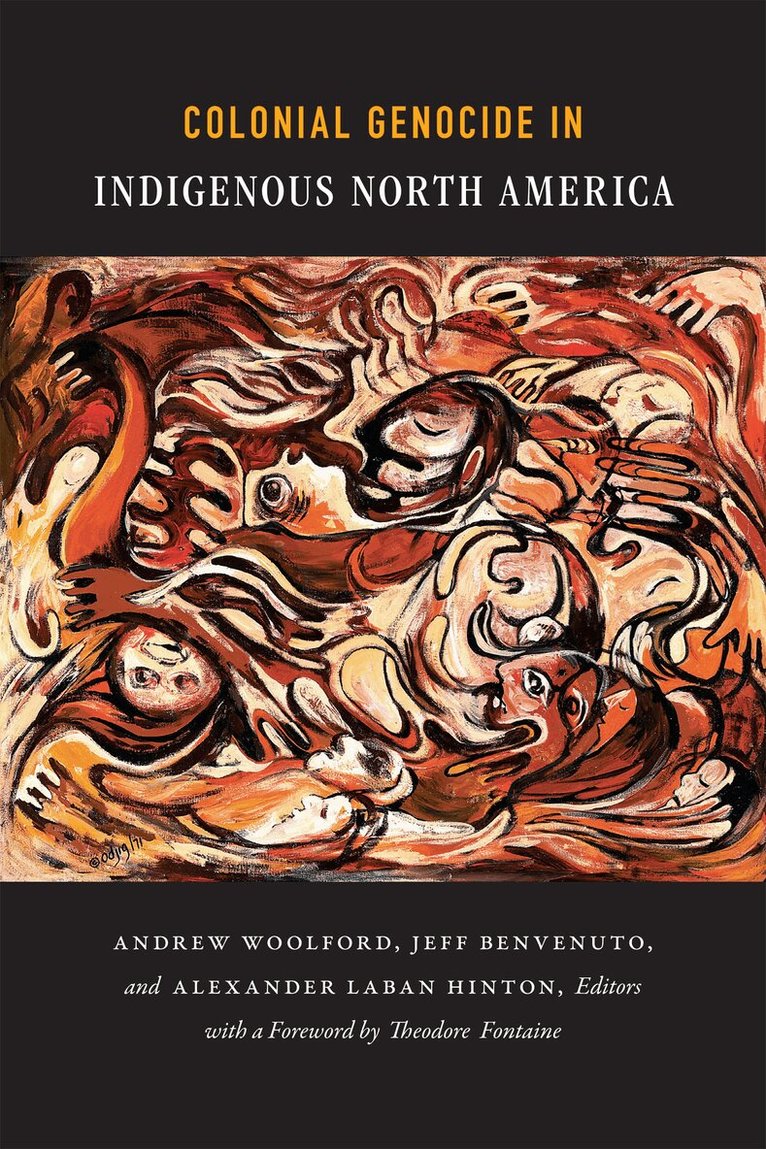
This important collection of essays expands the geographic, demographic, and analytic scope of the term genocide to encompass the effects of colonialism and settler colonialism in North America. Colonists made multiple and interconnected attempts to destroy Indigenous peoples as groups. The contributors examine these efforts through the lens of genocide. Considering some of the most destructive aspects of the colonization and subsequent settlement of North America, several essays address Indigenous boarding school systems imposed by both the Canadian and U.S. governments in attempts to "civilize" or "assimilate" Indigenous children. Contributors examine some of the most egregious assaults on Indigenous peoples and the natural environment, including massacres, land appropriation, the spread of disease, the near-extinction of the buffalo, and forced political restructuring of Indigenous communities. Assessing the record of these appalling events, the contributors maintain that North Americans must reckon with colonial and settler colonial attempts to annihilate Indigenous peoples.Contributors. Jeff Benvenuto, Robbie Ethridge, Theodore Fontaine, Joseph P. Gone, Alexander Laban Hinton, Tasha Hubbard, Margaret D. Jabobs, Kiera L. Ladner, Tricia E. Logan, David B. MacDonald, Benjamin Madley, Jeremy Patzer, Julia Peristerakis, Christopher Powell, Colin Samson, Gray H. Whaley, Andrew Woolford
320 kr
Skickas inom 7-10 vardagar
This important collection of essays expands the geographic, demographic, and analytic scope of the term genocide to encompass the effects of colonialism and settler colonialism in North America. Colonists made multiple and interconnected attempts to destroy Indigenous peoples as groups. The contributors examine these efforts through the lens of genocide. Considering some of the most destructive aspects of the colonization and subsequent settlement of North America, several essays address Indigenous boarding school systems imposed by both the Canadian and U.S. governments in attempts to "civilize" or "assimilate" Indigenous children. Contributors examine some of the most egregious assaults on Indigenous peoples and the natural environment, including massacres, land appropriation, the spread of disease, the near-extinction of the buffalo, and forced political restructuring of Indigenous communities. Assessing the record of these appalling events, the contributors maintain that North Americans must reckon with colonial and settler colonial attempts to annihilate Indigenous peoples.Contributors. Jeff Benvenuto, Robbie Ethridge, Theodore Fontaine, Joseph P. Gone, Alexander Laban Hinton, Tasha Hubbard, Margaret D. Jabobs, Kiera L. Ladner, Tricia E. Logan, David B. MacDonald, Benjamin Madley, Jeremy Patzer, Julia Peristerakis, Christopher Powell, Colin Samson, Gray H. Whaley, Andrew Woolford
2 300 kr
Skickas inom 10-15 vardagar
Settler colonialism in Canada has traditionally been portrayed as a gentler, if not benevolent, colonialism—especially in contrast to the Indian Wars in the United States. This national mythology has penetrated into comparative genocide studies, where Canadian case studies are rarely discussed in edited volumes, genocide journals, or multi-national studies. Indeed, much of the extant literature on genocide in Canada rests at the level of self-justification, whereby authors draw on the U.N Genocide Convention or some other rubric to demonstrate that Canadian genocides are a legitimate topic of scholarly concern.In recent years, however, discussion of genocide in Canada has become more pronounced, particularly in the wake of the findings of the Truth and Reconciliation Commission of Canada. This volume contributes to this ongoing discourse, providing scholarly analyses of the multiple dimensions or processes of colonial destruction and their aftermaths in Canada. Various acts of genocidal violence are covered, including residential schools, repressive legal or governmental controls, ecological destruction, and disease spread. Additionally, contributors draw comparisons to patterns of colonial destruction in other contexts, examine the ways in which Canada has sought to redress and commemorate colonial harms, and present novel theoretical and conceptual insights on colonial/settler genocides in Canada. This book was previously published as a special issue of the Journal of Genocide Research.
Politics of Defining Genocide
International Relations, Denialism, and Prevention
Inbunden, Engelska, 2024
1 299 kr
Kommande
This book bridges a growing divide in genocide studies between politics and academia to argue that ongoing debates surrounding genocide and its definitions are political byproducts of the modern nation-state system.Modern academic and political definitions of genocide are neither universally understood nor widely accepted by researchers and politicians alike. As such, the debate surrounding what exactly genocide is, and the reasons that often lead to its widespread misidentification, are timely and critically important to study. In this book, the authors broaden arguments around the epistemology of genocide to include the realities of realpolitik, and, following research by Mark Levene, argue that the misidentification or denial of genocide derives from the rise and scope of the modern nation-state. Examining case studies in Bosnia, Darfur, Cambodia, and Myanmar, the authors claim that genocide misidentification began with the drafting of the UN Genocide Convention, which allowed for complex geopolitical negotiations that left innocent state bystanders dangerously exposed. Appealing to both prevention practitioners and scholars, this book offers ways to identity and prevent genocide before it begins, as well as a blueprint for humanitarian intervention when and where genocide occurs around the globe.Bridges a gap in genocide studies between politics and academiaSuggests that the contemporary debate around genocide and its complex definitions is a byproduct of the modern nation-stateClarifies what genocide is and why it is often misidentified or poorly understoodApplies key concepts and theories to case studies in Bosnia, Cambodia, Darfur, and Myanmar