Jeff Hayton - Böcker
Visar alla böcker från författaren Jeff Hayton. Handla med fri frakt och snabb leverans.
3 produkter
3 produkter
1 508 kr
Skickas inom 5-8 vardagar
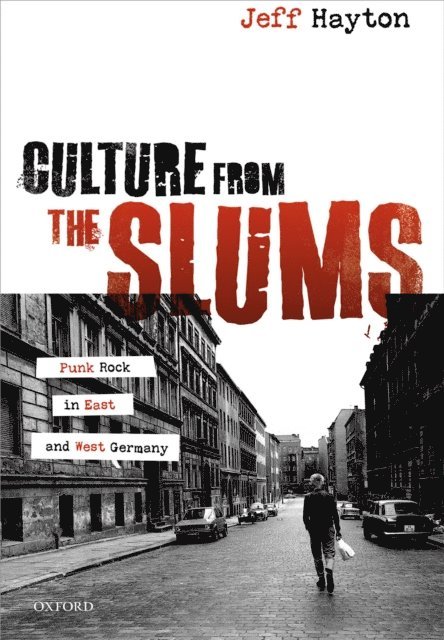
Culture from the Slums explores the history of punk rock in East and West Germany during the 1970s and 1980s. These decades witnessed an explosion of alternative culture across divided Germany, and punk was a critical constituent of this movement. For young Germans at the time, punk appealed to those gravitating towards cultural experimentation rooted in notions of authenticity-endeavors considered to be more 'real' and 'genuine.' Adopting musical subculture from abroad and rearticulating the genre locally, punk gave individuals uncomfortable with their societies the opportunity to create alternative worlds. Examining how youths mobilized music to build alternative communities and identities during the Cold War, Culture from the Slums details how punk became the site of historical change during this era: in the West, concerning national identity, commercialism, and politicization; while in the East, over repression, resistance, and collaboration. But on either side of the Iron Curtain, punks' struggles for individuality and independence forced their societies to come to terms with their political, social, and aesthetic challenges, confrontations which pluralized both states, a surprising similarity connecting democratic, capitalist West Germany with socialist, authoritarian East Germany. In this manner, Culture from the Slums suggests that the ideas, practices, and communities which youths called into being transformed both German societies along more diverse and ultimately democratic lines. Using a wealth of previously untapped archival documentation, this study reorients German and European history during this period by integrating alternative culture and music subculture into broader narratives of postwar inquiry and explains how punk rock shaped divided Germany in the 1970s and 1980s.
489 kr
Skickas inom 7-10 vardagar
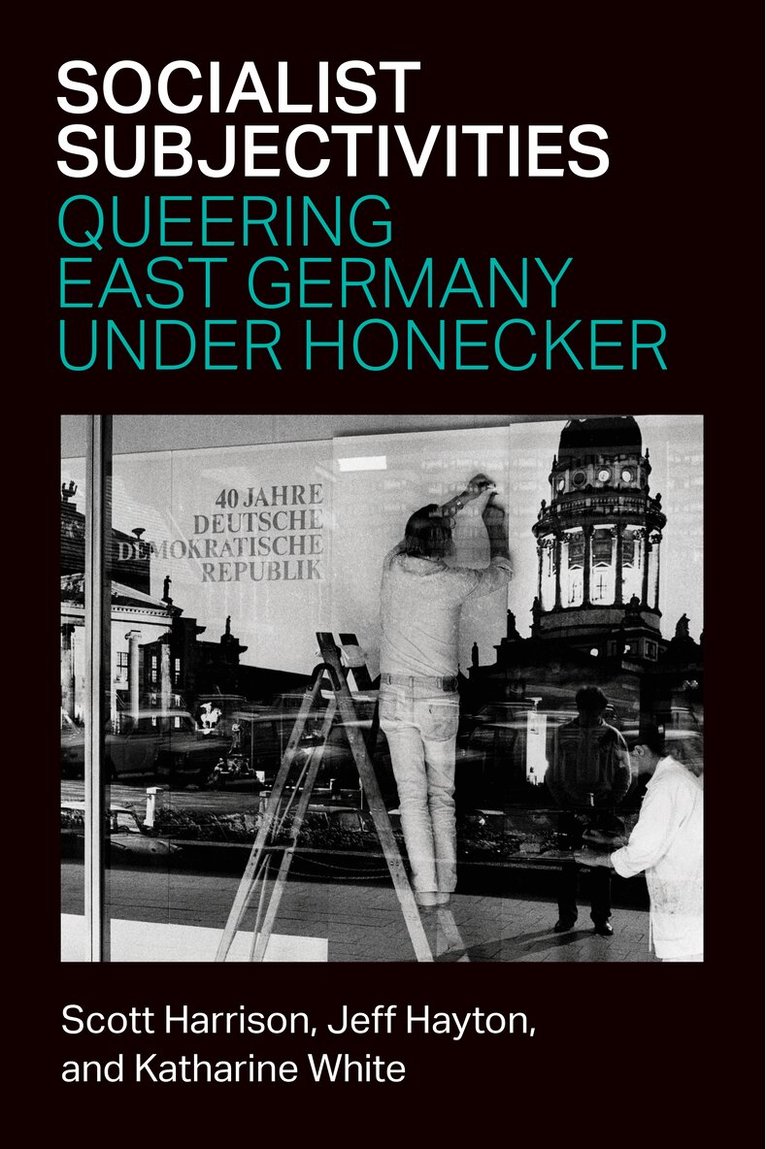
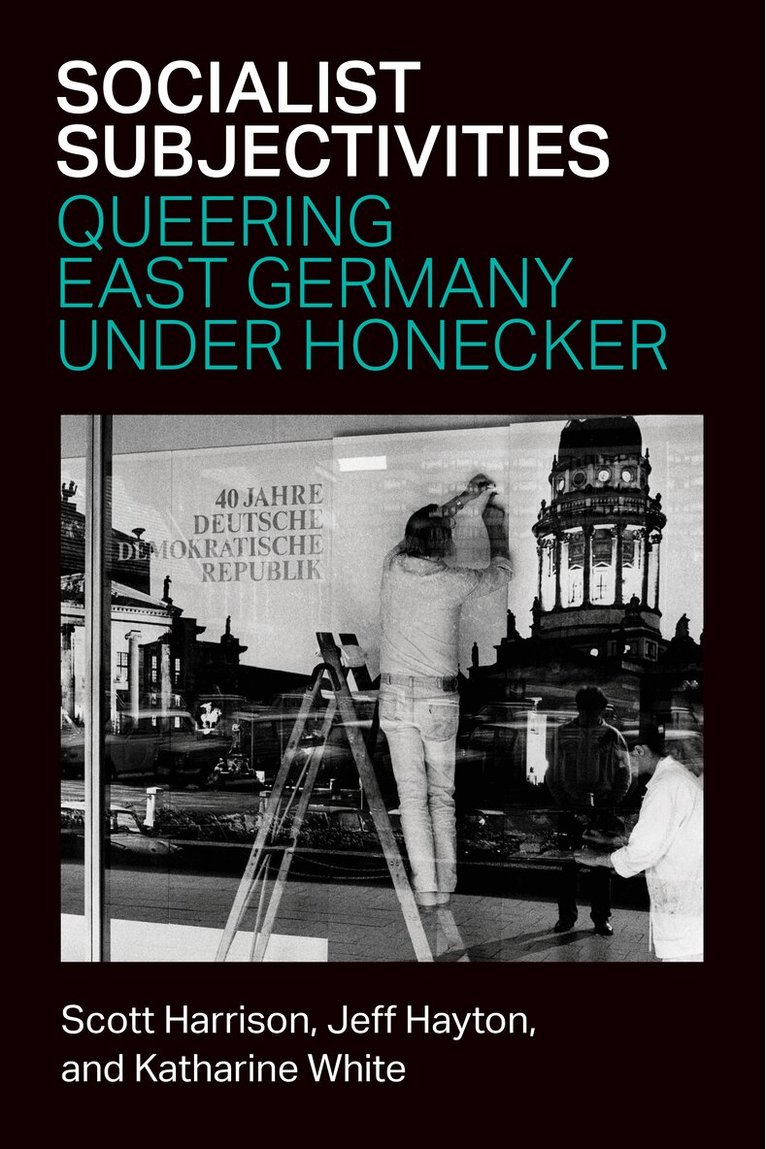
Socialist Subjectivities works within the logics of queer time to reanimate East German subjectivities in the 1970s and 1980s beyond the narrative of the German Democratic Republic’s long march towards demise. While East Germany certainly ended in dissolution, not all East Germans experienced late socialism in a singular manner. Rather, even after a generation of building socialism, East Germans under Honecker continued to pursue a range of socialist presents and a multiplicity of socialist futures up to and beyond 1989. This edited volume utilizes queer temporalities to interrogate how individuals lived non-normative possibilities in a highly normative world.Whether one was an apparatchik, artist, or alcoholic, the everyday interactions, experiences, and rituals of late socialism proved crucial to establishing the conditions around which subjecthood was constructed. Despite stereotypes of apathy and inertia, East Germans lent a considerable dynamism to their society, and by generating a cacophony of opinions and a heterogeneity of ideas, they constantly transformed state socialism. By foregrounding socialist subjects and the iterative nature of socialism during these decades, this volume paints a richer portrait of East Germany—one that illuminates how East Germans imagined their futures in a society whose collapse they could not foresee.
1 560 kr
Skickas inom 7-10 vardagar
Socialist Subjectivities works within the logics of queer time to reanimate East German subjectivities in the 1970s and 1980s beyond the narrative of the German Democratic Republic’s long march towards demise. While East Germany certainly ended in dissolution, not all East Germans experienced late socialism in a singular manner. Rather, even after a generation of building socialism, East Germans under Honecker continued to pursue a range of socialist presents and a multiplicity of socialist futures up to and beyond 1989. This edited volume utilizes queer temporalities to interrogate how individuals lived non-normative possibilities in a highly normative world.Whether one was an apparatchik, artist, or alcoholic, the everyday interactions, experiences, and rituals of late socialism proved crucial to establishing the conditions around which subjecthood was constructed. Despite stereotypes of apathy and inertia, East Germans lent a considerable dynamism to their society, and by generating a cacophony of opinions and a heterogeneity of ideas, they constantly transformed state socialism. By foregrounding socialist subjects and the iterative nature of socialism during these decades, this volume paints a richer portrait of East Germany—one that illuminates how East Germans imagined their futures in a society whose collapse they could not foresee.