Jeffrey D. Anderson – författare
Visar alla böcker från författaren Jeffrey D. Anderson. Handla med fri frakt och snabb leverans.
3 produkter
3 produkter
207 kr
Skickas inom 10-15 vardagar
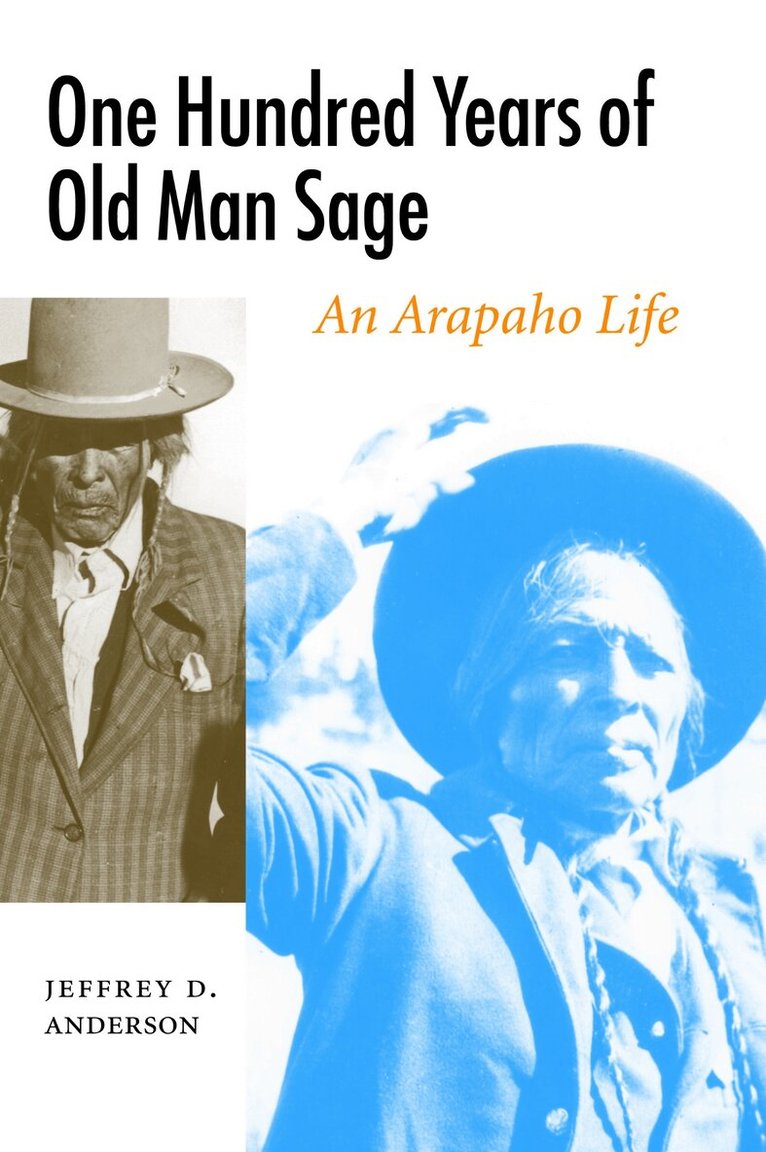
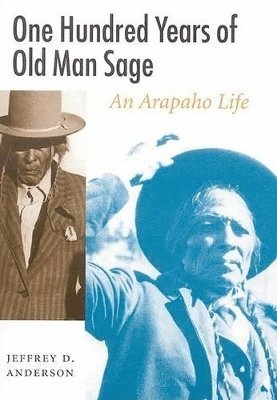
Sherman Sage (ca. 1844–1943) was an unforgettable Arapaho man who witnessed profound change in his community and was one of the last to see the Plains black with buffalo. As a young warrior, Sage defended his band many times, raided enemy camps, saw the first houses go up in Denver, was present at Fort Laramie for the signing of the 1868 treaty, and witnessed Crazy Horse's surrender. Later, he visited the Ghost Dance prophet Wovoka and became a link in the spread of the Ghost Dance religion to other Plains Indian tribes. As an elder, Old Man Sage was a respected, vigorous leader, walking miles to visit friends and family even in his nineties. One of the most interviewed Native Americans in the Old West, Sage was a wellspring of information for both Arapahos and outsiders about older tribal customs. Anthropologist Jeffrey D. Anderson gathered information about Sage's long life from archives, interviews, recollections, and published sources and has here woven it into a compelling biography. We see different sides of Sage—how he followed a traditional Arapaho life path; what he learned about the Rocky Mountains and Plains; what he saw and did as outsiders invaded the Arapahos' homeland in the nineteenth century; how he adjusted, survived, and guided other Arapahos during the early reservation years; and how his legacy lives on today. The remembrances of Old Man Sage's relatives and descendants of friends make apparent that his vision and guidance were not limited to his lifetime but remain vital today in the Northern Arapaho tribe.
368 kr
Skickas inom 10-15 vardagar
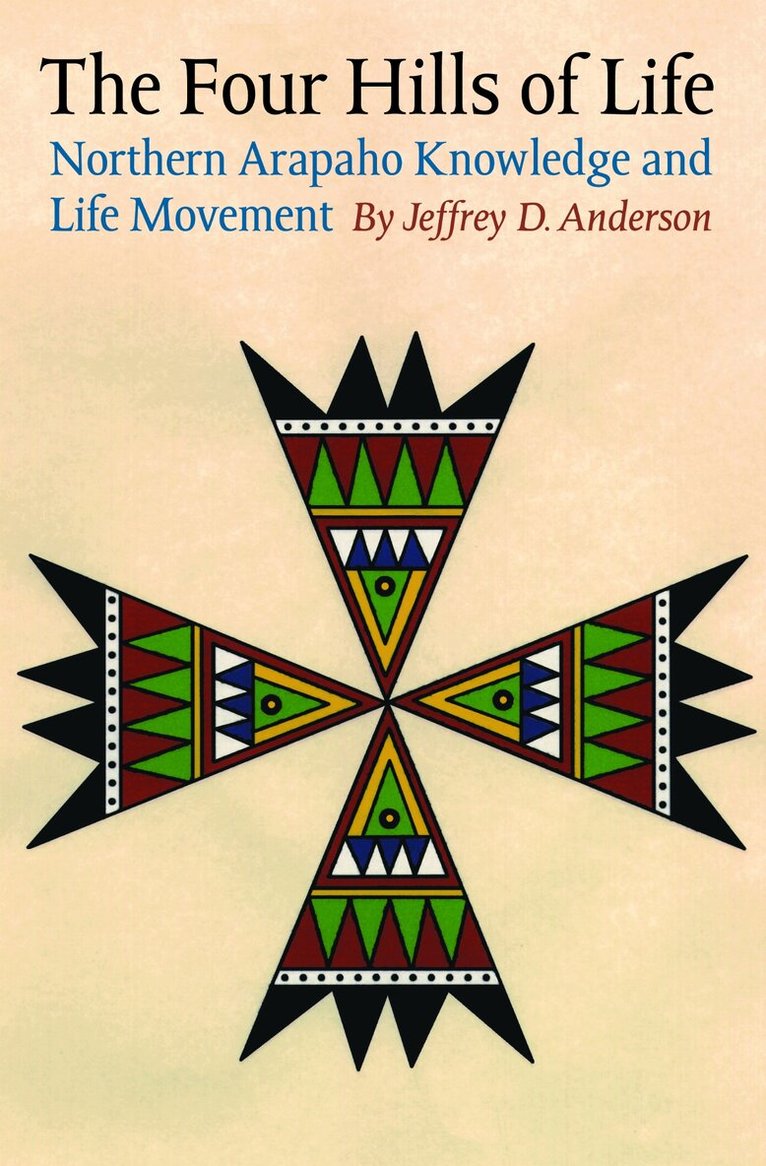
For many generations the Northern Arapaho people thrived over a vast area of the North American Plains and Rocky Mountains. For more than a century they have lived on the Wind River Reservation in Wyoming. The reservation, the fourth largest in the country, is surrounded by vast rural lands and has been largely ignored by outsiders. As a result, the Northern Arapahos have been in some ways more isolated from mainstream American society than most Native groups. In The Four Hills of Life Jeffrey D. Anderson masterfully draws together many different aspects of the Northern Arapahos' world—myth, language, art, ritual, identity, and history—to offer a compelling picture of a culture that has endured and changed over time. Arapaho culture is seen dynamically through the ways that members of the community in the past and present experience their unique world in everyday life. Anderson shows that Northern Arapaho unity and identity from the nineteenth century through today are derived less from political centralization than from a shared system of ritual practices. The heart of this system is a complex of rituals called the beyoowu'u ("all the lodges"), which includes the Offerings Lodge, now more commonly known as the Sun Dance—a ritual still central to Northern Arapaho life. According to Anderson, the beyoowu'u and other life transition ceremonies work together to mold time and experience for the Arapahos, a life movement that also helps create social identities and transmit vital cultural knowledge. Anderson also offers an in-depth study of the problems that Euro-American society continues to impose on reservation life and the empowered responses of the Northern Arapahos to these problems.
185 kr
Skickas inom 5-8 vardagar
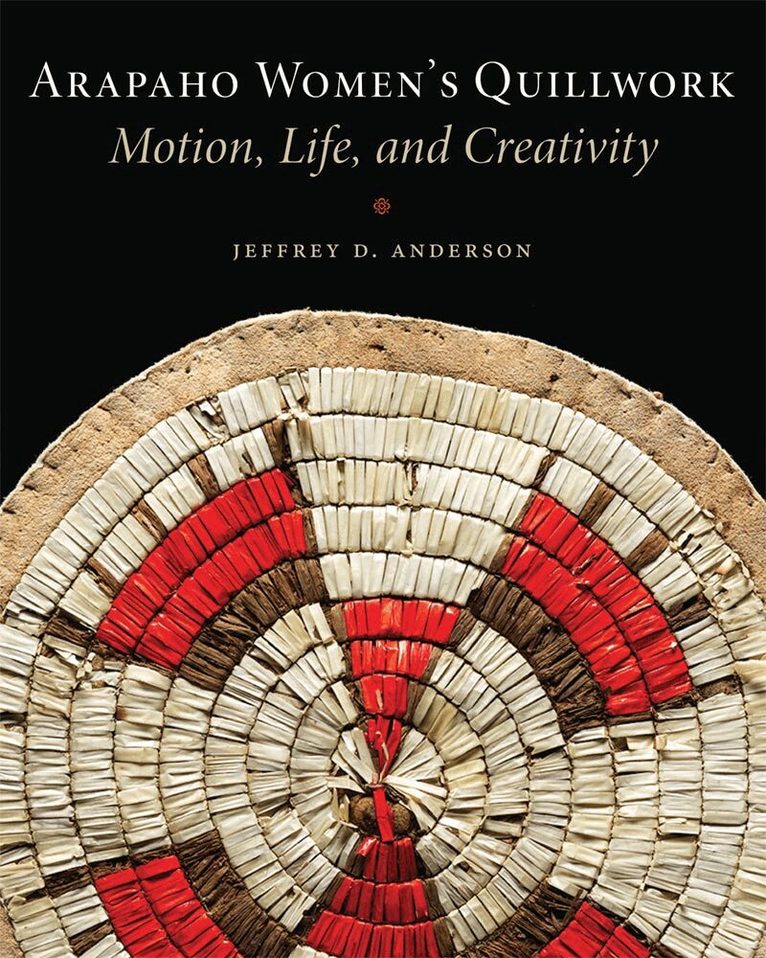
More than a hundred years ago, anthropologists and other researchers collected and studied hundreds of examples of quillwork once created by Arapaho women. Since that time, however, other types of Plains Indian art, such as beadwork and male art forms, have received greater attention. In Arapaho Women's Quillwork, Jeffrey D. Anderson brings this distinctly female art form out of the darkness and into its rightful spotlight within the realms of both art history and anthropology. This book is the first comprehensive examination of quillwork within Arapaho ritualized traditions.Until the early twentieth century and the disruption of removal, porcupine quillwork was practiced by many indigenous cultures throughout North America. For Arapahos, quillwork played a central role in religious life within their most ancient and sacred traditions. Quillwork was manifest in all life transitions and appeared on paraphernalia for almost all Arapaho ceremonies. Its designs and the meanings they carried were present on many objects used in everyday life, such as cradles, robes, leanback covers, moccasins, pillows, and tipi ornaments, liners, and doors.Anderson demonstrates how, through the action of creating quillwork, Arapaho women became central participants in ritual life, often studied as the exclusive domain of men. He also shows how quillwork challenges predominant Western concepts of art and creativity: adhering to sacred patterns passed down through generations of women, it emphasized not individual creativity, but meticulous repetition and social connectivity - an approach foreign to many outside observers.Drawing on the foundational writings of early-nineteenth-century ethnographers, extensive fieldwork conducted with Northern Arapahos, and careful analysis of museum collections, Arapaho Women's Quillwork masterfully shows the importance of this unique art form to Arapaho life and honors the devotion of the artists who maintained this tradition for so many generations.