Jeffrey Edward Green – författare
Visar alla böcker från författaren Jeffrey Edward Green. Handla med fri frakt och snabb leverans.
13 produkter
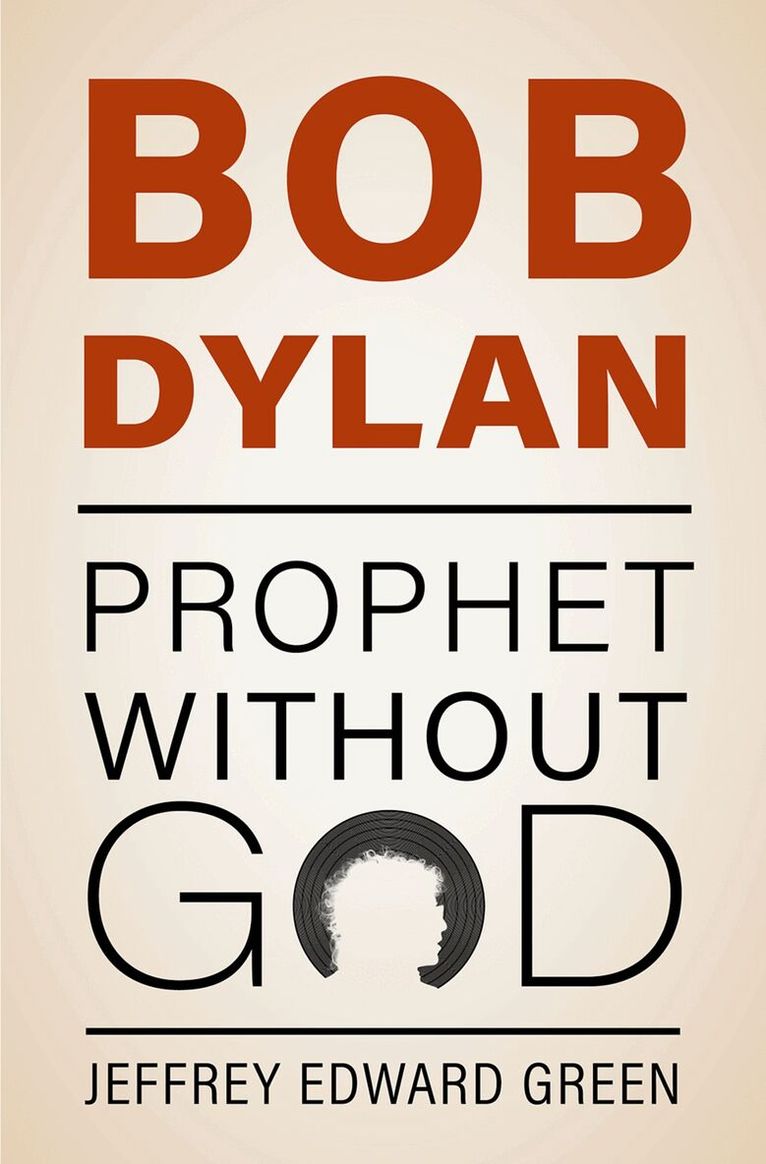
Bob Dylan
Prophet Without God
Inbunden, 2024
392 kr
Lägg i varukorg
Throughout his career, Bob Dylan has always been more than a musician. Whether as an icon of the social movements of the 1960s, a convert to evangelical Christianity publicly wrestling with his faith, or simply a poet of genius, Dylan has occupied a position of moral leadership for more than half a …
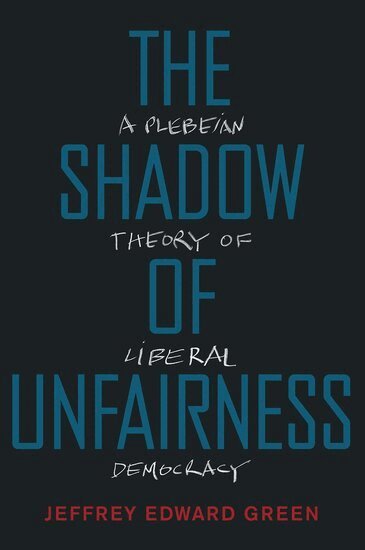
The Shadow of Unfairness
A Plebeian Theory of Liberal Democracy
Inbunden, 2016
834 kr
Lägg i varukorg
In this sequel to his prize-winning book,ÂThe Eyes of the People, Jeffrey Edward Green draws on philosophy, history, social science, and literature to ask what democracy can mean in a world where it is understood that socioeconomic status to some degree will always determine opportunities for civic …
Shadow of Unfairness
A Plebeian Theory of Liberal Democracy
E-bok, 2016
440 kr
Lägg i varukorg
In this sequel to his prize-winning book, The Eyes of the People , Jeffrey Edward Green draws on philosophy, history, social science, and literature to ask what democracy can mean in a world where it is understood that socioeconomic status to some degree will always determine opportunities for …
Shadow of Unfairness
A Plebeian Theory of Liberal Democracy
E-bok, 2016
440 kr
Lägg i varukorg
In this sequel to his prize-winning book, The Eyes of the People , Jeffrey Edward Green draws on philosophy, history, social science, and literature to ask what democracy can mean in a world where it is understood that socioeconomic status to some degree will always determine opportunities for …
The Shadow of Unfairness
A Plebeian Theory of Liberal Democracy
Häftad, 2019
569 kr
Lägg i varukorg
In this sequel to his prize-winning book, The Eyes of the People, Jeffrey Edward Green draws on philosophy, history, social science, and literature to ask what democracy can mean in a world where it is understood that socioeconomic status to some degree will always determine opportunities for civic …
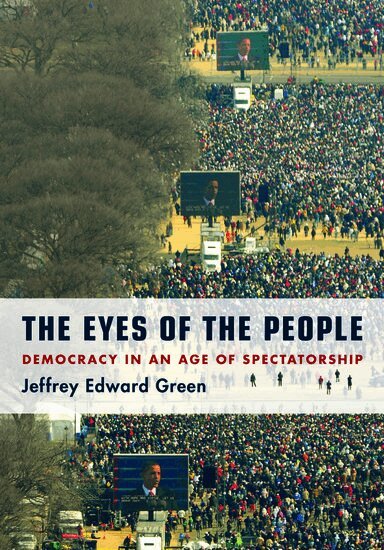
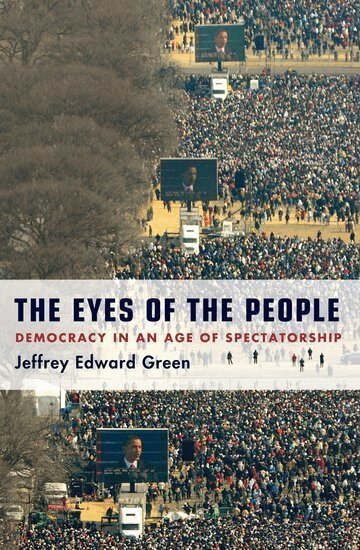
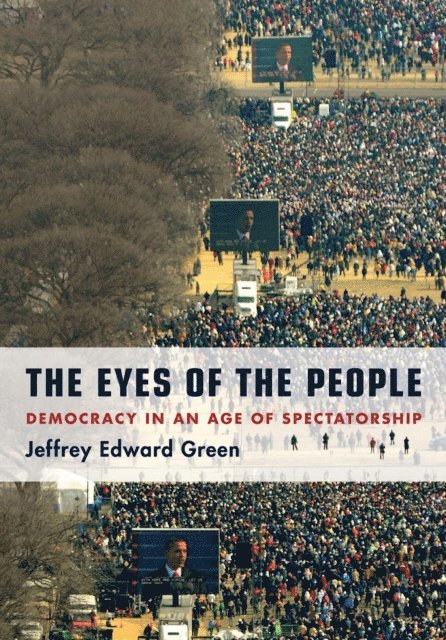
The Eyes of the People
Democracy in an Age of Spectatorship
Inbunden, 2010
1738 kr
Lägg i varukorg
For centuries it has been assumed that democracy must refer to the empowerment of the People's voice. In this pioneering book, Jeffrey Edward Green makes the case for considering the People as an ocular entity rather than a vocal one. Green argues that it is both possible and desirable to …
Bob Dylan
Prophet Without God
E-bok, 2024
359 kr
Lägg i varukorg
Throughout his career, Bob Dylan has always been more than a musician. Whether as an icon of the social movements of the 1960s, a convert to evangelical Christianity publicly wrestling with his faith, or simply a poet of genius, Dylan has occupied a position of moral leadership for more than half a …
Bob Dylan
Prophet Without God
E-bok, 2024
359 kr
Lägg i varukorg
Throughout his career, Bob Dylan has always been more than a musician. Whether as an icon of the social movements of the 1960s, a convert to evangelical Christianity publicly wrestling with his faith, or simply a poet of genius, Dylan has occupied a position of moral leadership for more than half a …
Eyes of the People
Democracy in an Age of Spectatorship
E-bok, 2009
505 kr
Lägg i varukorg
For centuries it has been assumed that democracy must refer to the empowerment of the People''s voice. In this pioneering book, Jeffrey Edward Green makes the case for considering the People as an ocular entity rather than a vocal one. Green argues that it is both possible and desirable to …
The Eyes of the People
Democracy in an Age of Spectatorship
Häftad, 2011
732 kr
Lägg i varukorg
For centuries it has been assumed that democracy must refer to the empowerment of the People's voice. In this pioneering book, Jeffrey Edward Green makes the case for considering the People as an ocular entity rather than a vocal one. Green argues that it is both possible and desirable to …
Eyes of the People
Democracy in an Age of Spectatorship
E-bok, 2009
505 kr
Lägg i varukorg
For centuries it has been assumed that democracy must refer to the empowerment of the People''s voice. In this pioneering book, Jeffrey Edward Green makes the case for considering the People as an ocular entity rather than a vocal one. Green argues that it is both possible and desirable to …
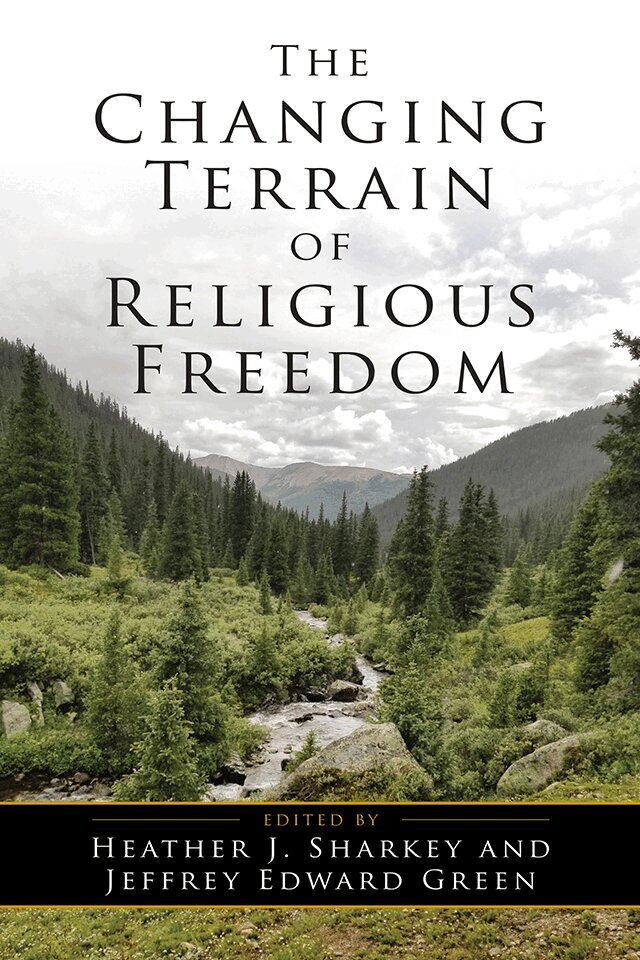
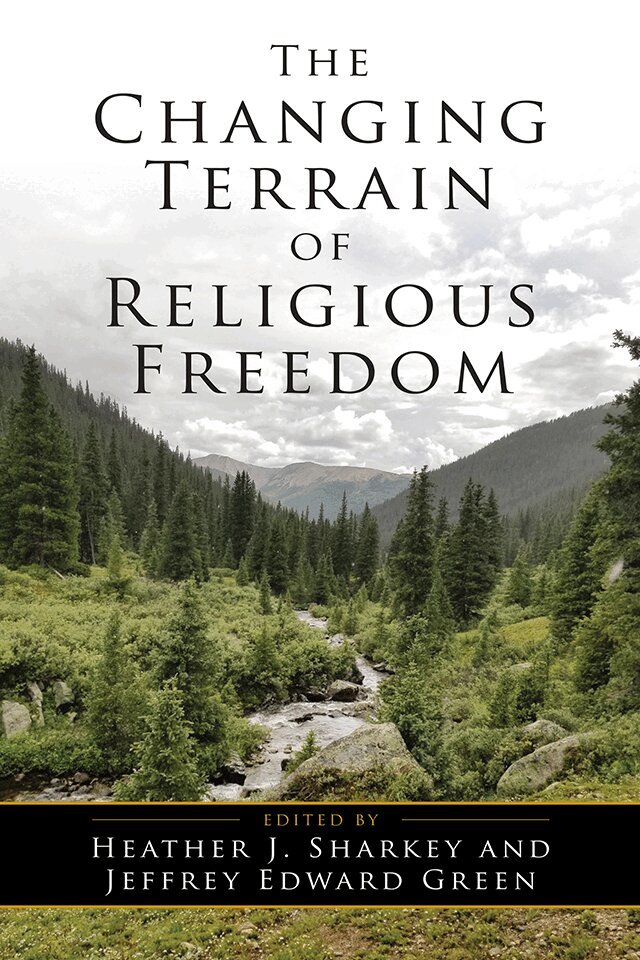
Changing Terrain of Religious Freedom
Av Heather J. Sharkey, Jeffrey Edward Green
Inbunden, 2021
571 kr
Lägg i varukorg
The Changing Terrain of Religious Freedom offers theoretical, historical, and legal perspectives on religious freedom, while examining its meaning as an experience, value, and right. The volume starts from the premise that the terrain of religious freedom has never been easy and smooth. Across …
Changing Terrain of Religious Freedom
Av Heather J. Sharkey, Jeffrey Edward Green
E-bok, 2021
675 kr
Lägg i varukorg
The Changing Terrain of Religious Freedom offers theoretical, historical, and legal perspectives on religious freedom, while examining its meaning as an experience, value, and right. The volume starts from the premise that the terrain of religious freedom has never been easy and smooth. Across …