Jeffrey Hoelle - Böcker
Visar alla böcker från författaren Jeffrey Hoelle. Handla med fri frakt och snabb leverans.
3 produkter
3 produkter
370 kr
Kommande
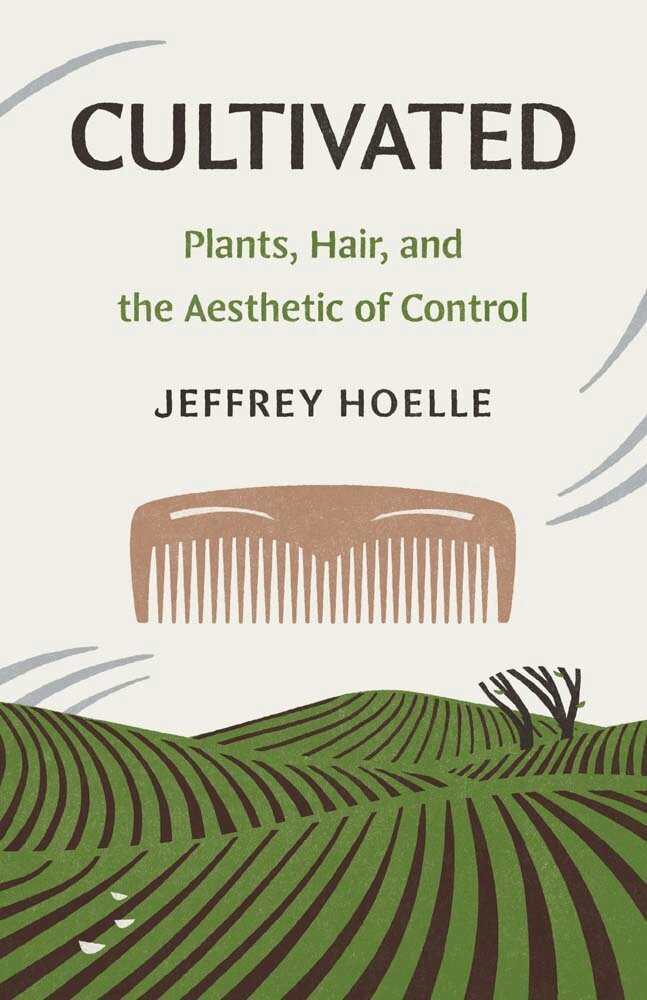
An exploration of the concept of cultivation, as conducted on both the land and the body, which expands our understanding of it as practice, aesthetic, and ideology In this book, Jeffrey Hoelle traces the imprint of cultivation across the naturally growing covers of the land and body—plants and hair. The book builds from research in the agricultural fields and cattle pastures at the edge of the Amazon rainforest to domestic landscapes and hair salons and shops in the frontier cities of Brazil and beyond. In spaces where the tangled forest once stood, clean pastures and ordered rows of crops now sit on properties with geometric edges. From rural spaces to immaculate lawns and cemeteries in the city, the imprint leads to the body, where hair, like plant growth, is cut, trimmed, and otherwise managed. Seemingly separate domains of agriculture, landscaping, and personal grooming are governed by a similar aesthetic of control. This unique pairing of land and body expands our understanding of cultivation as a practice and as an ideology that operates in frontier Amazonia—but also closer to home, influencing how we conceptualize and interpret the covers that grow on and around us, and our imagined relations with nature in the future. Hoelle argues that we must understand this system of thought and the overlooked role it plays in environmental destruction and social inequality.
1 241 kr
Kommande
An exploration of the concept of cultivation, as conducted on both the land and the body, which expands our understanding of it as practice, aesthetic, and ideology In this book, Jeffrey Hoelle traces the imprint of cultivation across the naturally growing covers of the land and body—plants and hair. The book builds from research in the agricultural fields and cattle pastures at the edge of the Amazon rainforest to domestic landscapes and hair salons and shops in the frontier cities of Brazil and beyond. In spaces where the tangled forest once stood, clean pastures and ordered rows of crops now sit on properties with geometric edges. From rural spaces to immaculate lawns and cemeteries in the city, the imprint leads to the body, where hair, like plant growth, is cut, trimmed, and otherwise managed. Seemingly separate domains of agriculture, landscaping, and personal grooming are governed by a similar aesthetic of control. This unique pairing of land and body expands our understanding of cultivation as a practice and as an ideology that operates in frontier Amazonia—but also closer to home, influencing how we conceptualize and interpret the covers that grow on and around us, and our imagined relations with nature in the future. Hoelle argues that we must understand this system of thought and the overlooked role it plays in environmental destruction and social inequality.
213 kr
Skickas inom 10-15 vardagar
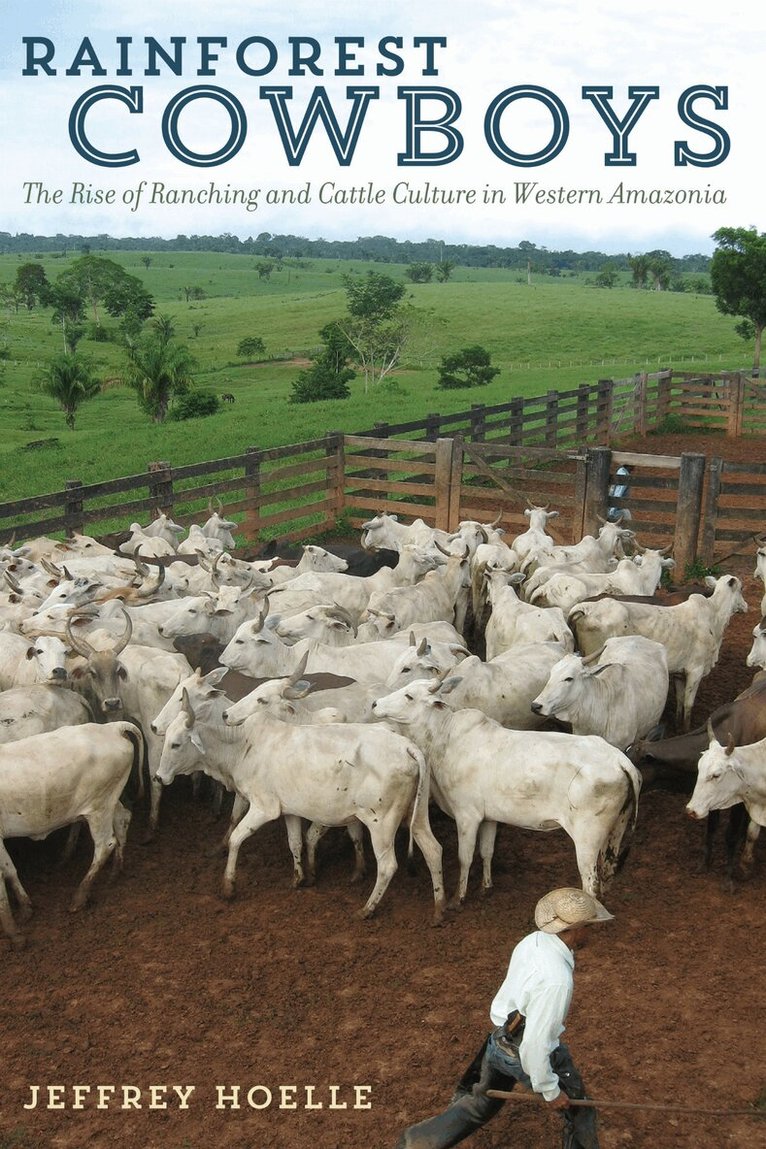
This ambitious interdisciplinary study is the first to examine the interlinked economic uses and cultural practices and beliefs surrounding cattle in Western Amazonia, where cattle raising is at the center of debates about economic development and environWinner, Brazil Section Book Award, Latin American Studies Association, 2016The opening of the Amazon to colonization in the 1970s brought cattle, land conflict, and widespread deforestation. In the remote state of Acre, Brazil, rubber tappers fought against migrant ranchers to preserve the forest they relied on, and in the process, these “forest guardians” showed the world that it was possible to unite forest livelihoods and environmental preservation. Nowadays, many rubber tappers and their children are turning away from the forest-based lifestyle they once sought to protect and are becoming cattle-raisers or even caubois (cowboys). Rainforest Cowboys is the first book to examine the social and cultural forces driving the expansion of Amazonian cattle raising in all of their complexity.Drawing on eighteen months of fieldwork, Jeffrey Hoelle shows how cattle raising is about much more than beef production or deforestation in Acre, even among “carnivorous” environmentalists, vilified ranchers, and urbanites with no land or cattle. He contextualizes the rise of ranching in relation to political economic structures and broader meanings to understand the spread of “cattle culture.” This cattle-centered vision of rural life builds on local experiences and influences from across the Americas and even resembles East African cultural practices. Written in a broadly accessible and interdisciplinary style, Rainforest Cowboys is essential reading for a global audience interested in understanding the economic and cultural features of cattle raising, deforestation, and the continuing tensions between conservation and development in the Amazon.