Jeffrey M. Shumway - Böcker
Visar alla böcker från författaren Jeffrey M. Shumway. Handla med fri frakt och snabb leverans.
2 produkter
2 produkter
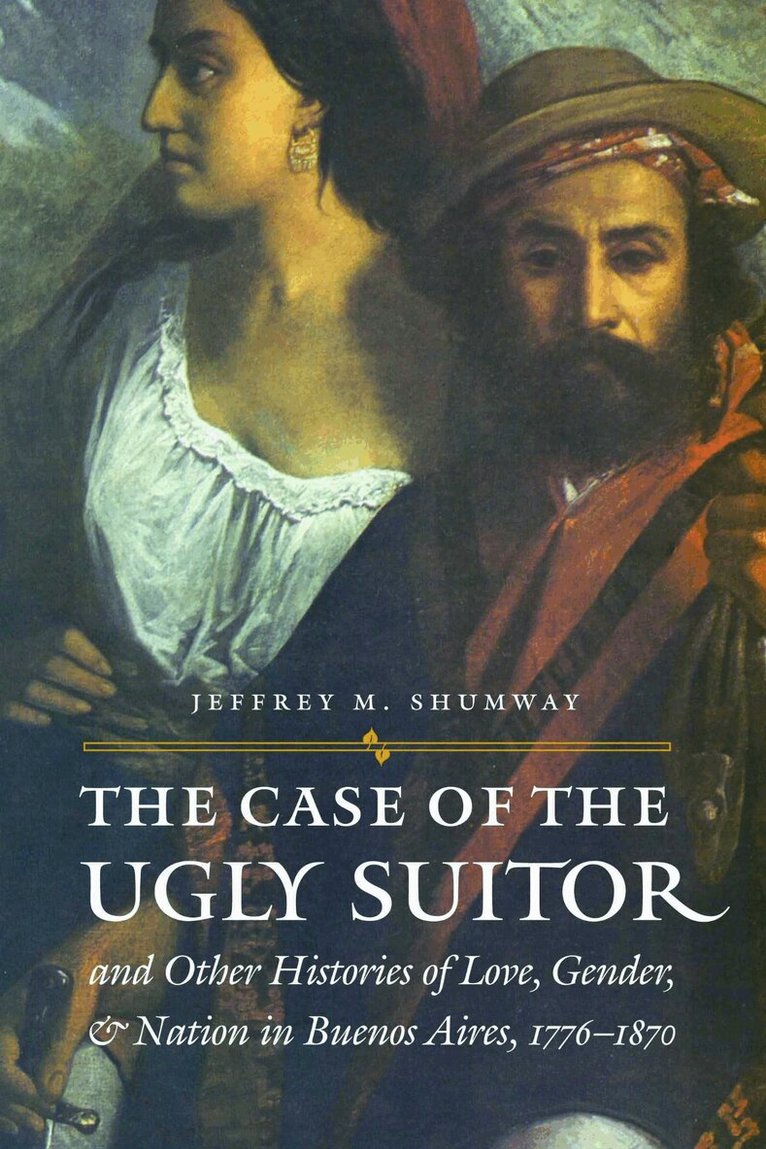
Case of the Ugly Suitor and Other Histories of Love, Gender, and Nation in Bueno
Häftad, Engelska, 2005
314 kr
Skickas inom 10-15 vardagar
In 1840 Gumerscindo Arroyo hoped to marry Francisca Canicoba, but her father forbade it. Consequently, Francisca took her father to court for permission to marry, where he objected on the grounds that Arroyo was simply too ugly. In the courtrooms of nineteenth-century Buenos Aires, children battled parents in order to fulfill their romantic desires and marry the mate of their choice. Parents and guardians also struggled for custody of young children, which some did out of love while others were greedy for child labor. In courtrooms and elsewhere, women challenged their traditional status as social and intellectual inferiors. Though all these struggles existed in earlier times, the nineteenth century injected a new dynamic into such conflicts: Argentina's revolution against Spain and the subsequent attempts by political and intellectual leaders to craft a new nation out of the vestiges of Spanish colonialism. The family, many leaders recognized, was the vital building block of the nation. Hence, matters of the heart and hearth intertwined with matters of the state. Examining family conflicts and the political and legal backdrop of those cases reveals strong continuities in attitudes about gender and family. At the same time, ideological influences of the revolutionary movement combined with the practical needs of nation building to create new freedoms and new identities for women and children over the course of the nineteenth century. The Case of the Ugly Suitor brings these family and national struggles to life, many times in the words of the participants themselves.
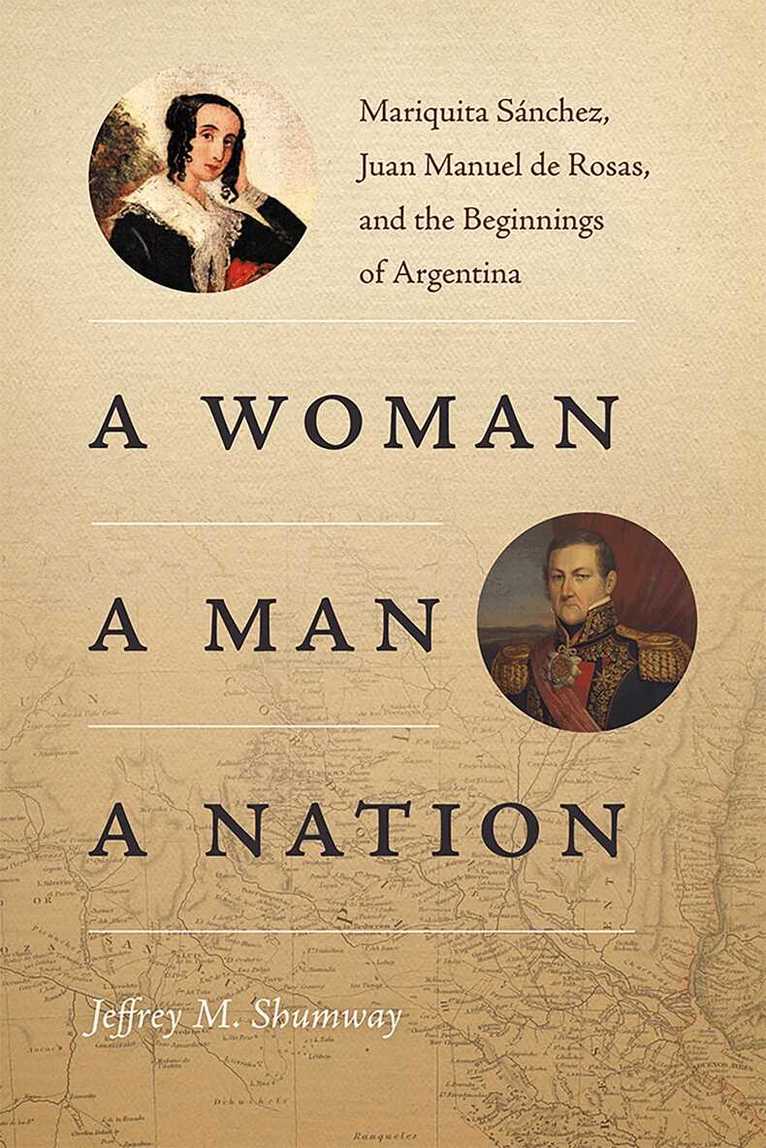
Woman, a Man, a Nation
Mariquita Sánchez, Juan Manuel De Rosas, and the Beginnings of Argentina
Inbunden, Engelska, 2019
1 513 kr
Skickas inom 3-6 vardagar
In 1837 Mariquita Sánchez de Mendeville was so fed up with governor Juan Manuel de Rosas that she chose to leave her beloved city of Buenos Aires. Leaving was especially hard because Mariquita felt that she had played an influential role in transforming Buenos Aires from a Spanish colonial outpost into a brilliant capital in a world of republics. Juan Manuel de Rosas's version of order alienated Mariquita, who chose self-imposed exile in Montevideo over living under Rosas's stifling rule. The struggle went on for nearly two decades until Mariquita finally came home for good in 1852 while Rosas went into exile.Mariquita's and Juan Manuel's lives corresponded with the major events and processes that shaped the turbulent beginnings of the Argentine nation, many of which also shaped Latin America and the Atlantic World during the Age of Revolution (1750-1850). Their lives provide an overarching narrative for Argentine history that both scholars and students will find intriguing.