Jeffrey Ostler – författare
Visar alla böcker från författaren Jeffrey Ostler. Handla med fri frakt och snabb leverans.
7 produkter
7 produkter
Häftad, Engelska, 2011
236 kr
Skickas inom 3-6 vardagar
Inbunden, Engelska, 2027
422 kr
Kommande
A sweeping history of U.S. expansion west of the Mississippi through the end of the Civil War showing that American empire was built on systemic violence and genocide against Native nationsReframing the United States’ westward expansion as a continental empire-building project, historian Jeffrey Ostler shows how the country orchestrated a genocidal campaign against Indigenous populations across the Trans-Mississippi West through treaty coercion, massacres, forced removals, starvation, and the destruction of land and lifeways. As he debunks many long-standing myths, Ostler• Describes how genocide unfolded across diverse geographies and colonial histories in the Pacific Northwest, California, Texas, the Great Plans, the Southwest, and elsewhere• Documents the many forms of colonial violence beyond warfare that decimated populations in ways not always visible in traditional histories• Highlights Indigenous agency and resilience, from voices that illuminate the lived experience and consciousness of genocide to Native nations’ diplomacy, resistance, and adaptation• Breaks new ground on the Civil War’s western dimension and the ways that it intensified genocidal violence in the West, reshaping the region and Indigenous nationsThis gripping history challenges myths of the “winning of the West” and illuminates Indigenous survival against overwhelming odds, making it essential reading for understanding America’s past and its enduring legacies.
Häftad, Engelska, 2020
247 kr
Skickas inom 5-8 vardagar
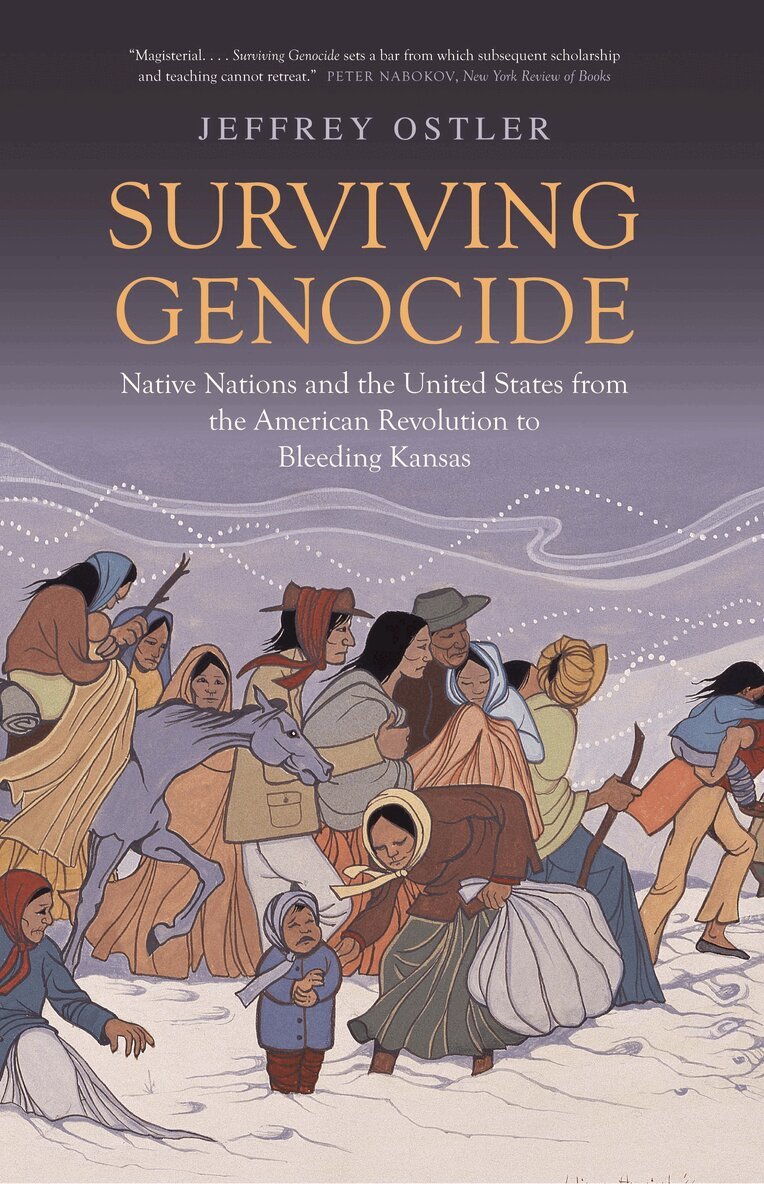
The first part of a sweeping multivolume history of the devastation brought to bear on Indian nations by U.S. expansion “An elegant, organized narrative of the United States’ dispossession of Native lands east of the Mississippi. . . . A remarkable book in its breadth and scope.”—Ashley Riley Sousa, Canadian Journal of History “Intense and well-researched, . . . ambitious, . . . magisterial. . . . Surviving Genocide sets a bar from which subsequent scholarship and teaching cannot retreat.”—Peter Nabokov, New York Review of Books In this book, Jeffrey Ostler investigates how American democracy relied on Indian dispossession and the federally sanctioned use of force to remove or slaughter Indians in the way of U.S. expansion. He charts the losses that Indians suffered from relentless violence and upheaval and the attendant effects of disease, deprivation, and exposure. This volume centers on the eastern United States from the 1750s to the start of the Civil War. An authoritative contribution to the history of the United States’ violent path toward building a continental empire, this ambitious and well-researched book deepens our understanding of the seizure of Indigenous lands, including the use of treaties to create the appearance of Native consent to dispossession. Ostler also documents the resilience of Native people, showing how they survived genocide by creating alliances, defending their towns, and rebuilding their communities.
Häftad, Engelska, 2004
365 kr
Skickas inom 7-10 vardagar
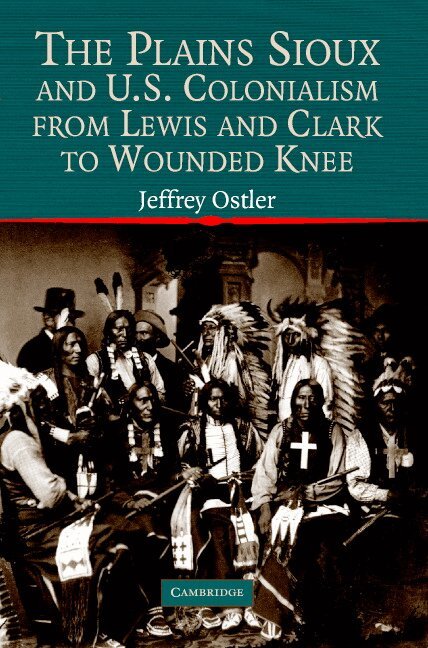
This volume, first published in 2004, presents an overview of the history of the Plains Sioux as they became increasingly subject to the power of the United States in the 1800s. Many aspects of this story - the Oregon Trail, military clashes, the deaths of Crazy Horse and Sitting Bull, and the Ghost Dance - are well-known. Besides providing fresh insights into familiar events, the book offers an in-depth look at many lesser-known facets of Sioux history and culture. Drawing on theories of colonialism, the book shows how the Sioux creatively responded to the challenges of US expansion and domination, while at the same time revealing how US power increasingly limited the autonomy of Sioux communities as the century came to a close. The concluding chapters of the book offer a compelling reinterpretation of the events that led to the Wounded Knee massacre of December 29, 1890.
Inbunden, Engelska, 2004
977 kr
Skickas inom 7-10 vardagar
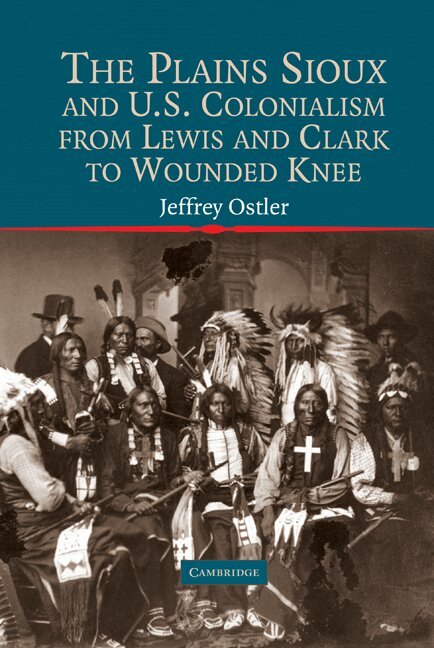
This volume, first published in 2004, presents an overview of the history of the Plains Sioux as they became increasingly subject to the power of the United States in the 1800s. Many aspects of this story - the Oregon Trail, military clashes, the deaths of Crazy Horse and Sitting Bull, and the Ghost Dance - are well-known. Besides providing fresh insights into familiar events, the book offers an in-depth look at many lesser-known facets of Sioux history and culture. Drawing on theories of colonialism, the book shows how the Sioux creatively responded to the challenges of US expansion and domination, while at the same time revealing how US power increasingly limited the autonomy of Sioux communities as the century came to a close. The concluding chapters of the book offer a compelling reinterpretation of the events that led to the Wounded Knee massacre of December 29, 1890.
Inbunden, Engelska, 1993
618 kr
Skickas inom 10-15 vardagar
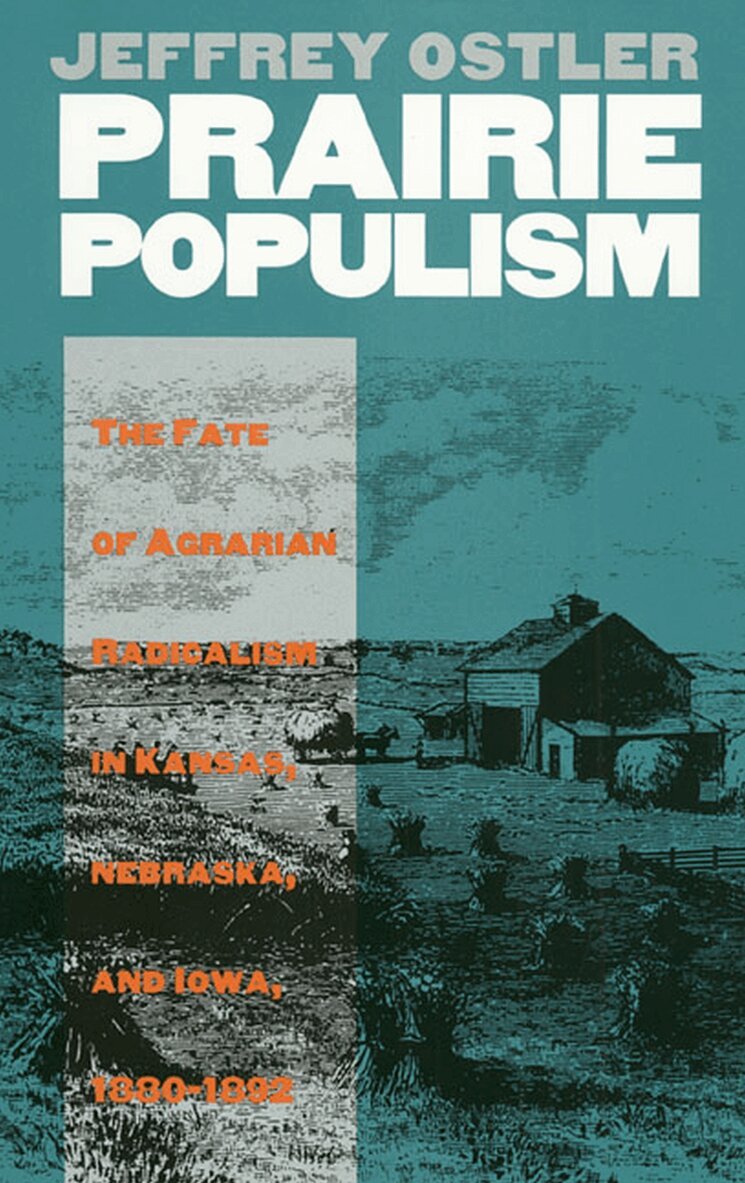
Through a comparison of economics and politics in two Populist states - Kansas and Nebraska - and one non-Populist state - Iowa - this work shows that economic conditions alone cannot explain why the People's Party flourished or floundered in the period 1880 to 1892.
E-bok
Engelska, 2010102 kr
Läs direkt efter köp
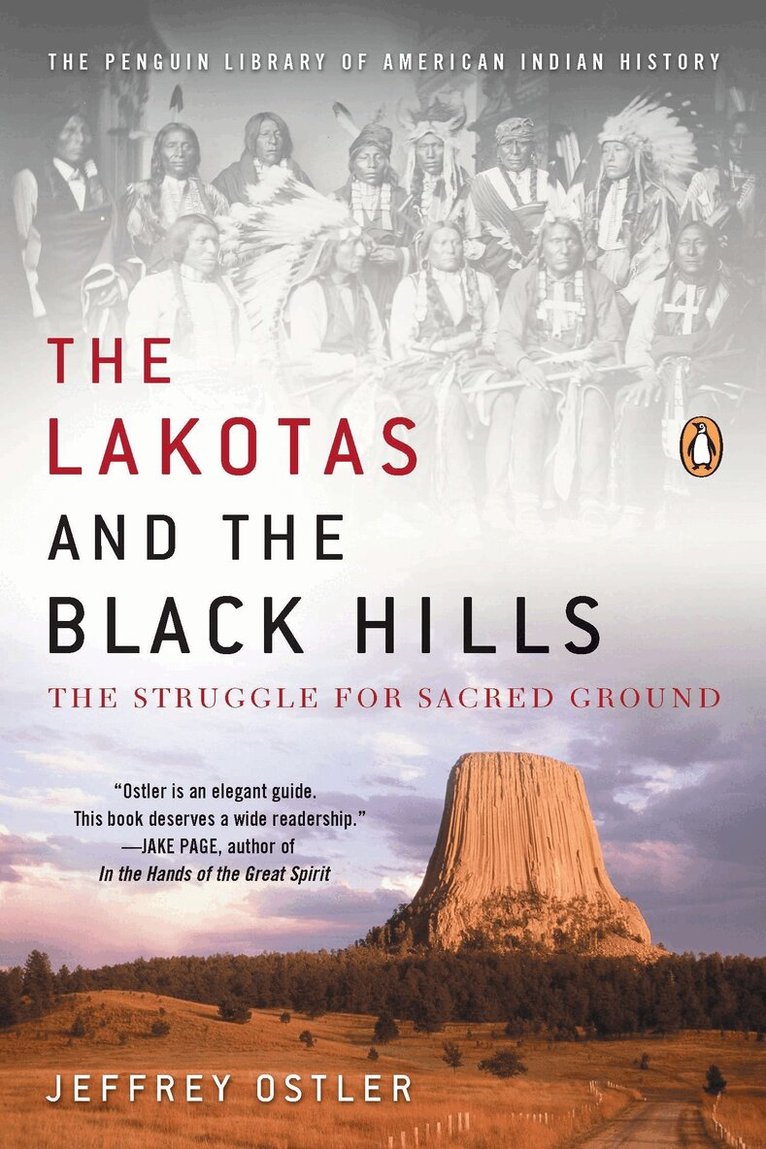
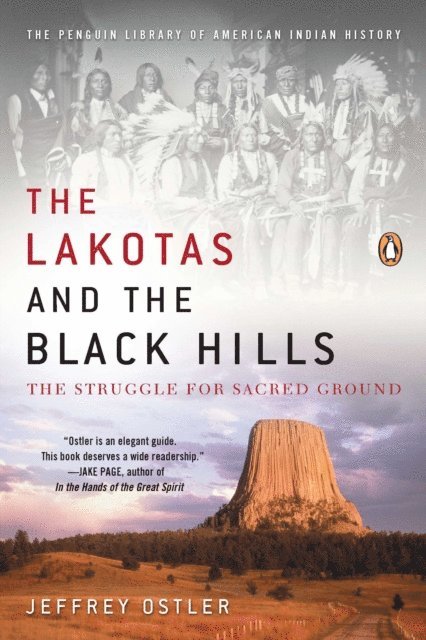
The story of the Lakota Sioux''s loss of their spiritual homelands and their remarkable legal battle to regain it The Lakota Indians counted among their number some of the most famous Native Americans, including Sitting Bull and Crazy Horse. Their homeland was in the magnificent Black Hills in South Dakota, where they found plentiful game and held religious ceremonies at charged locations like Devil''s Tower. Bullied by settlers and the U. S. Army, they refused to relinquish the land without a fight, most famously bringing down Custer at Little Bighorn. In 1873, though, on the brink of starvation, the Lakotas surrendered the Hills. But the story does not end there. Over the next hundred years, the Lakotas waged a remarkable campaign to recover the Black Hills, this time using the weapons of the law. In The Lakotas and the Black Hills, the latest addition to the Penguin Library of American Indian History, Jeffrey Ostler moves with ease from battlefields to reservations to the Supreme Court, capturing the enduring spiritual strength that bore the Lakotas through the worst times and kept alive the dream of reclaiming their cherished homeland.