Frederick Hoxie – författare
Visar alla böcker från författaren Frederick Hoxie. Handla med fri frakt och snabb leverans.
11 produkter
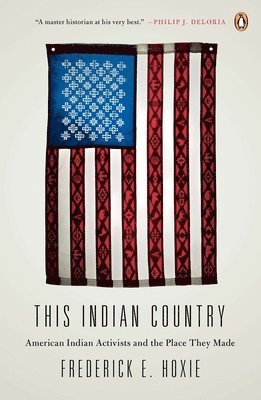
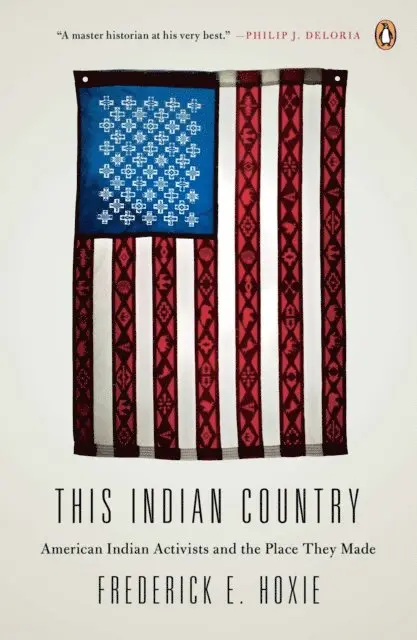
This Indian Country: American Indian Activists and the Place They Made
Häftad, 2013
316 kr
Lägg i varukorg
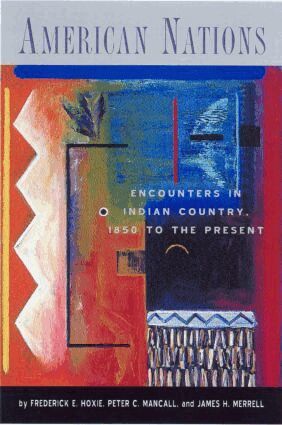
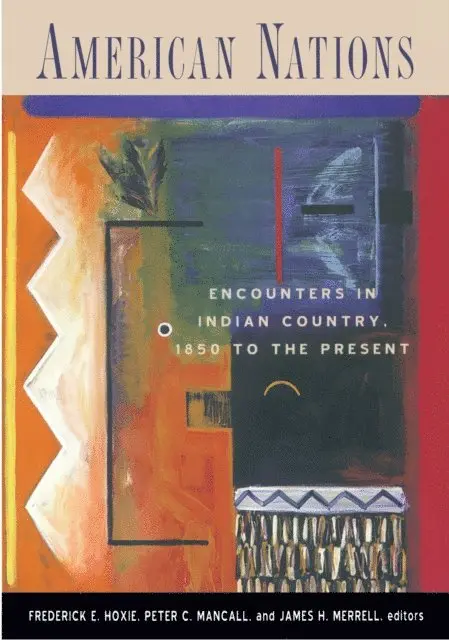
American Nations
Encounters in Indian Country, 1850 to the Present
Av Frederick Hoxie, Peter Mancall m. fl.
Häftad, 2001
969 kr
Lägg i varukorg
This volume brings together an impressive collection of important works covering nearly every aspect of early Native American history, from contact and exchange to diplomacy, religion, warfare, and disease.
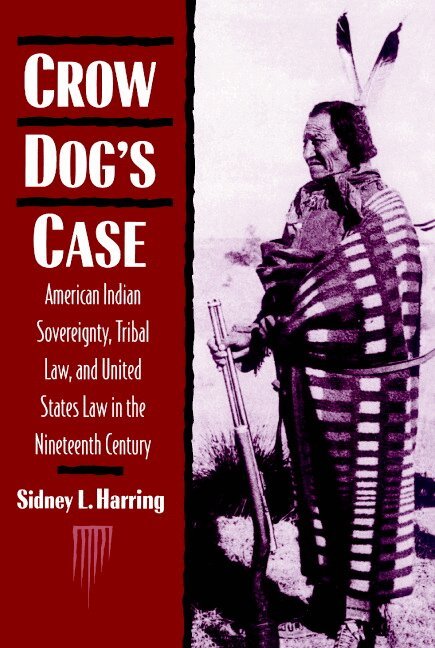
Crow Dog's Case
American Indian Sovereignty, Tribal Law, and United States Law in the Nineteenth Century
Av Sidney L. Harring, Frederick Hoxie
Häftad, 1994
418 kr
Lägg i varukorg
Crow's Dog Case is the first social history of American Indians' role in the making of American law. This book sheds new light on Native American struggles for sovereignty and justice in nineteenth-century America. The 'century of dishonor', a time when American Indians' lands were lost and their …
The American Revolution in Indian Country
Crisis and Diversity in Native American Communities
Av Colin G. Calloway, Frederick Hoxie
Häftad, 1995
468 kr
Lägg i varukorg
This study presents a broad coverage of Indian experiences in the American Revolution rather than Indian participation as allies or enemies of contending parties. Colin Calloway focuses on eight Indian communities as he explores how the Revolution often translated into war among Indians and their …
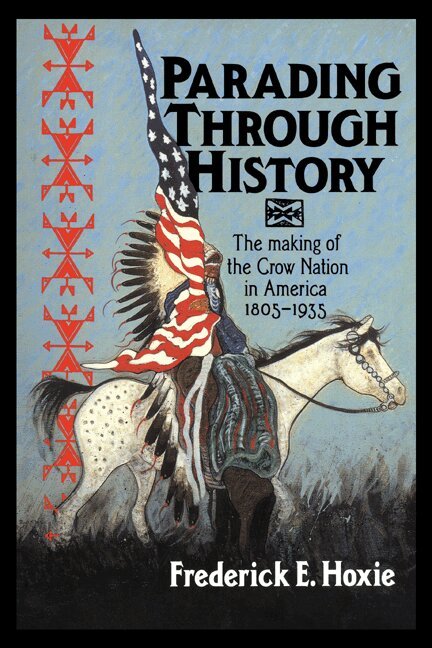
Parading through History
The Making of the Crow Nation in America 1805-1935
Av Frederick E. Hoxie, Frederick Hoxie m. fl.
Häftad, 1997
536 kr
Lägg i varukorg
This history of the Crow Indians links their nineteenth-century nomadic life and their modern existence. The Crows not only withstood the dislocation and conquest that was visited upon them after 1805, but acted in the midst of these events to construct a modern Indian community - a nation. Their …
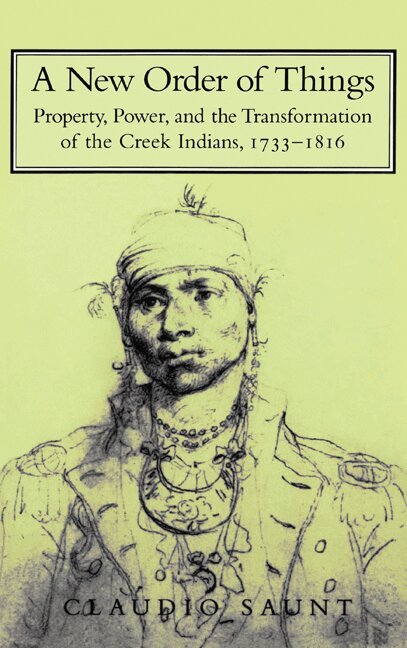
A New Order of Things
Property, Power, and the Transformation of the Creek Indians, 1733-1816
Av Claudio Saunt, Frederick Hoxie m. fl.
Inbunden, 1999
972 kr
Lägg i varukorg
The story told here is a critical yet unknown chapter in the creation of the American Republic. Claudio Saunt vividly depicts a dramatic transformation in the eighteenth century that overturned the world of the powerful and numerous Creek Indians and forever changed the Deep South. By 1800, some …
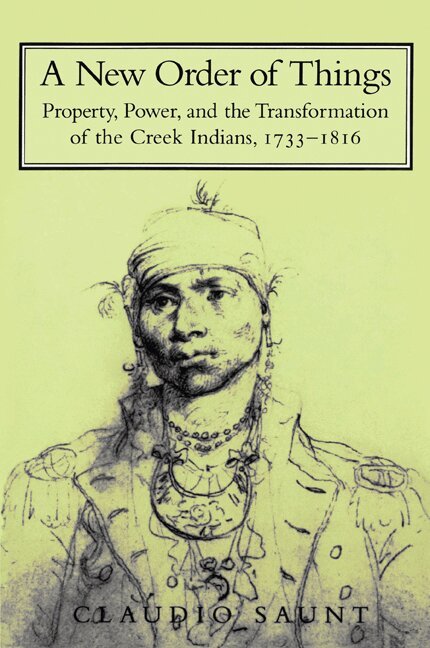
A New Order of Things
Property, Power, and the Transformation of the Creek Indians, 1733-1816
Av Claudio Saunt, Frederick Hoxie
Häftad, 1999
418 kr
Lägg i varukorg
The story told here is a critical yet unknown chapter in the creation of the American Republic. Claudio Saunt vividly depicts a dramatic transformation in the eighteenth century that overturned the world of the powerful and numerous Creek Indians and forever changed the Deep South. By 1800, some …
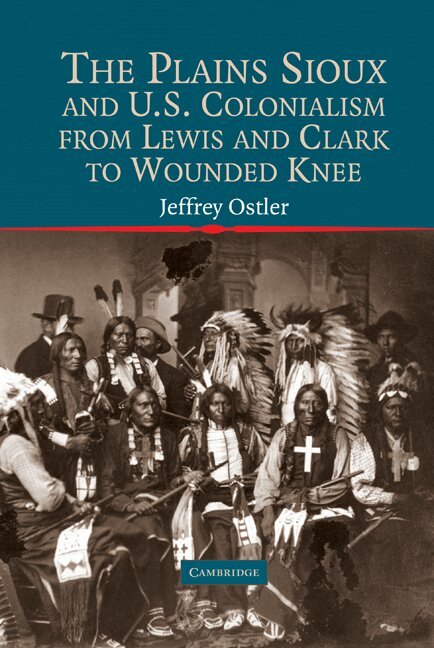
The Plains Sioux and U.S. Colonialism from Lewis and Clark to Wounded Knee
Av Jeffrey Ostler, Frederick Hoxie m. fl.
Inbunden, 2004
1190 kr
Lägg i varukorg
This volume, first published in 2004, presents an overview of the history of the Plains Sioux as they became increasingly subject to the power of the United States in the 1800s. Many aspects of this story - the Oregon Trail, military clashes, the deaths of Crazy Horse and Sitting Bull, and the …
American Nations
Encounters in Indian Country, 1850 to the Present
Av James Merrell, Peter Mancall m. fl.
E-bok, 2020
1141 kr
Lägg i varukorg
This volume brings together an impressive collection of important works covering nearly every aspect of early Native American history, from contact and exchange to diplomacy, religion, warfare, and disease.
American Nations
Encounters in Indian Country, 1850 to the Present
Av James Merrell, Peter Mancall m. fl.
E-bok, 2020
1117 kr
Lägg i varukorg
This volume brings together an impressive collection of important works covering nearly every aspect of early Native American history, from contact and exchange to diplomacy, religion, warfare, and disease.
This Indian Country
American Indian Activists and the Place They Made
E-bok, 2012
82 kr
Lägg i varukorg
Frederick E. Hoxie, one of our most prominent and celebrated academic historians of Native American history, has for years asked his undergraduate students at the beginning of each semester to write down the names of three American Indians. Almost without exception, year after year, the names are …