Jeffrey Sissons - Böcker
Visar alla böcker från författaren Jeffrey Sissons. Handla med fri frakt och snabb leverans.
2 produkter
2 produkter
1 956 kr
Skickas inom 3-6 vardagar
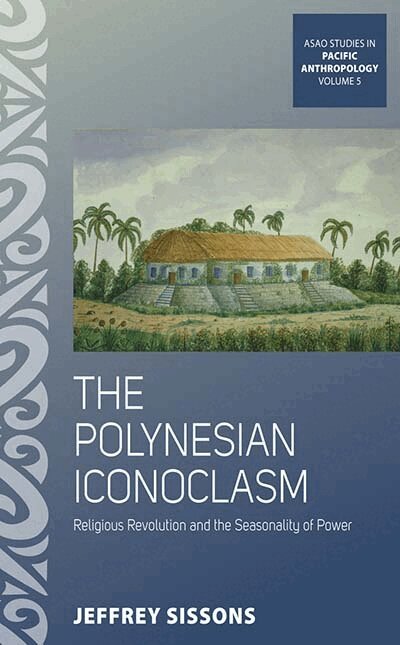
Within little more than ten years in the early nineteenth century, inhabitants of Tahiti, Hawaii and fifteen other closely related societies destroyed or desecrated all of their temples and most of their god-images. In the aftermath of the explosive event, which Sissons terms the Polynesian Iconoclasm, hundreds of architecturally innovative churches — one the size of two football fields — were constructed. At the same time, Christian leaders introduced oppressive laws and courts, which the youth resisted through seasonal displays of revelry and tattooing. Seeking an answer to why this event occurred in the way that it did, this book introduces and demonstrates an alternative “practice history” that draws on the work of Marshall Sahlins and employs Bourdieu’s concepts of habitus, improvisation and practical logic.
201 kr
Skickas
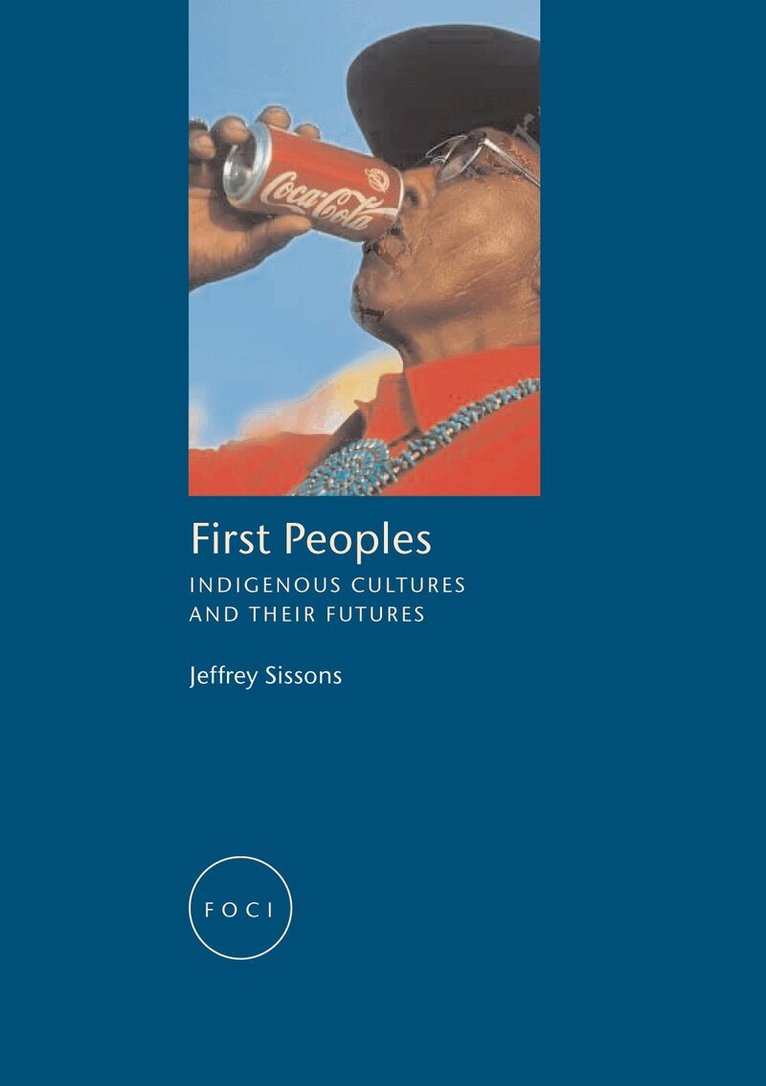
First Peoples argues, controversially, that far from disappearing in the face of global capitalism, indigenous cultures today are as diverse as they ever were. Rather than being absorbed into a uniform modernity, indigenous peoples are anticipating alternative futures and appropriating global resources for their own, culturally specific needs. For Sissons, however, the traditional and the modern are not mutually exclusive: indigenous cultures and nation-states are aspects of the same contemporary condition, and their apparently opposing position is an expression of the contradictory nature of modernity in the 21st century.Indigenous peoples often define themselves in terms of their struggle against oppressive exterior forces; by contrast, the metropolitan cultures they struggle against often cling precariously to the surfaces of their new land. But indigenous identities have also been forged through alliances between indigenous peoples at international forums and in other settings. The loose alliances throughout the indigenous world constitute an alternative political order to the global organization of states.For Inuit, Eskimo and Saami in the northern hemisphere, for Mayan, Maori and Aboriginal Australians in the southern, and for more than a hundred distinct peoples in between, culture has become more than a heritage: it is a project. The numerous cultural renaissances that occurred throughout the indigenous world in the second half of the 20th century were more than passing events. Their momentum has continued into the new millennium, while the challenges they pose to states and their bureaucracies have become increasingly urgent. While the economic and political issues addressed by indigenous groups were and are depressingly similar – racism, loss of land and resources, inadequate health and education services – the solutions have been characterized by enormous cultural diversity.