Jelena Pejic – författare
Visar alla böcker från författaren Jelena Pejic. Handla med fri frakt och snabb leverans.
4 produkter
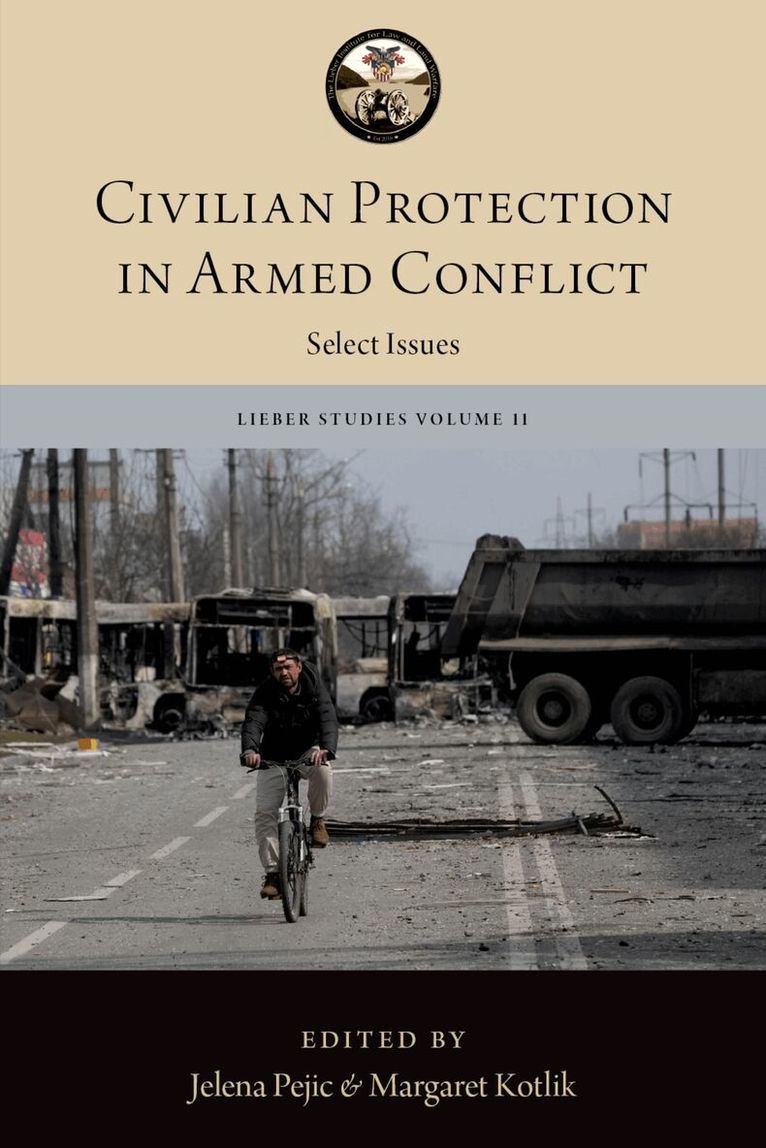
Civilian Protection in Armed Conflict
Select Issues
Av Jelena Pejic, Margaret Kotlik m. fl.
Inbunden, 2025
1384 kr
Lägg i varukorg
Protecting civilians who have fallen into enemy hands or are just about to come under the adversary's control is a constant challenge in the application of international humanitarian law (IHL) and the law of armed conflict (LOAC). Despite many decades of scholarship, military operational practice, …
Civilian Protection in Armed Conflict
Select Issues
Av Margaret Kotlik, Jelena Pejic
E-bok, 2025
1476 kr
Lägg i varukorg
Protecting civilians who have fallen into enemy hands or are just about to come under the adversary's control is a constant challenge in the application of international humanitarian law (IHL) and the law of armed conflict (LOAC). Despite many decades of scholarship, military operational practice, …
Civilian Protection in Armed Conflict
Select Issues
Av Margaret Kotlik, Jelena Pejic
E-bok, 2025
1476 kr
Lägg i varukorg
Protecting civilians who have fallen into enemy hands or are just about to come under the adversary's control is a constant challenge in the application of international humanitarian law (IHL) and the law of armed conflict (LOAC). Despite many decades of scholarship, military operational practice, …
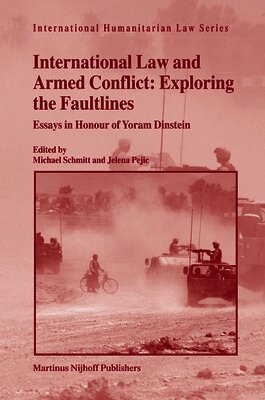
International Law and Armed Conflict: Exploring the Faultlines
Essays in Honour of Yoram Dinstein
Av Michael Schmitt, Jelena Pejic
Inbunden, 2007
3851 kr
Lägg i varukorg
International law and armed conflict exist in a symbiotic relationship. In some cases, law shapes conflict proactively by imposing normative limits in advance of the appearance of proscribed conduct. Much more commonly, armed conflict either reveals lacunae in the law or demonstrates how law …