Jemma Purdey – författare
Visar alla böcker från författaren Jemma Purdey. Handla med fri frakt och snabb leverans.
7 produkter
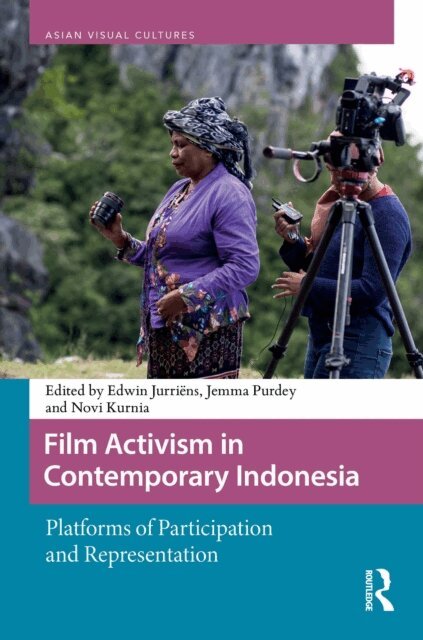
Film Activism in Contemporary Indonesia
Platforms of Participation and Representation
Av Novi Kurnia, Jemma Purdey m. fl.
E-bok, 2026
831 kr
Lägg i varukorg
This edited volume seeks to evaluate the complex tensions between democratic renewal and regression by focusing on the activist efforts by Indonesian filmmakers to maintain and open spaces for creative experimentation, critical reflection, and social diversity.After the fall of the authoritarian …
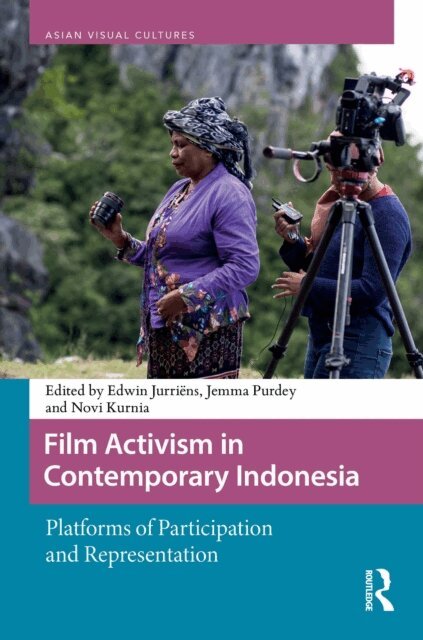
Film Activism in Contemporary Indonesia
Platforms of Participation and Representation
Av Novi Kurnia, Jemma Purdey m. fl.
E-bok, 2026
813 kr
Lägg i varukorg
This edited volume seeks to evaluate the complex tensions between democratic renewal and regression by focusing on the activist efforts by Indonesian filmmakers to maintain and open spaces for creative experimentation, critical reflection, and social diversity.After the fall of the authoritarian …
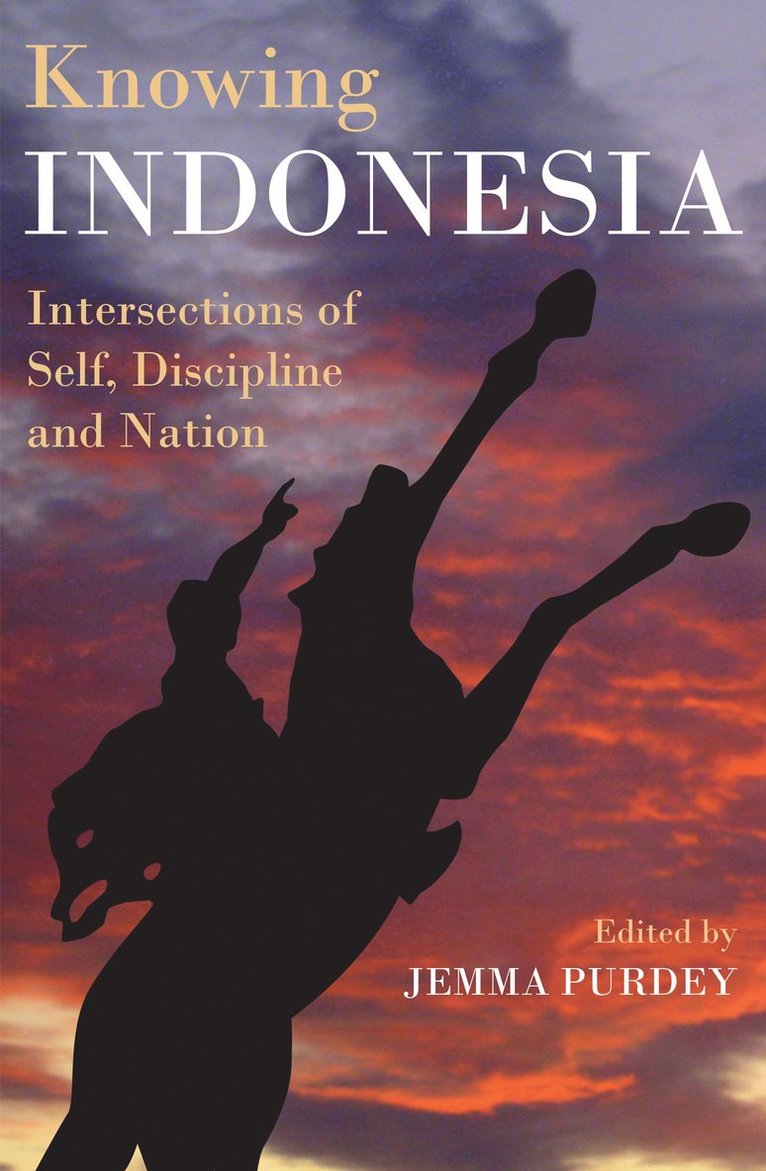
Knowing Indonesia
Intersections of Self, Discipline and Nation
Av Jemma Purdey
Häftad, 2012
325 kr
Lägg i varukorg
This is the first book in almost two decades to bring together scholars of Indonesia from the Australian academy in a single volume to reflect on and engage in a deep critique of their field. As such, this is a timely contribution. The importance of Indonesia as a global citizen has never been more …
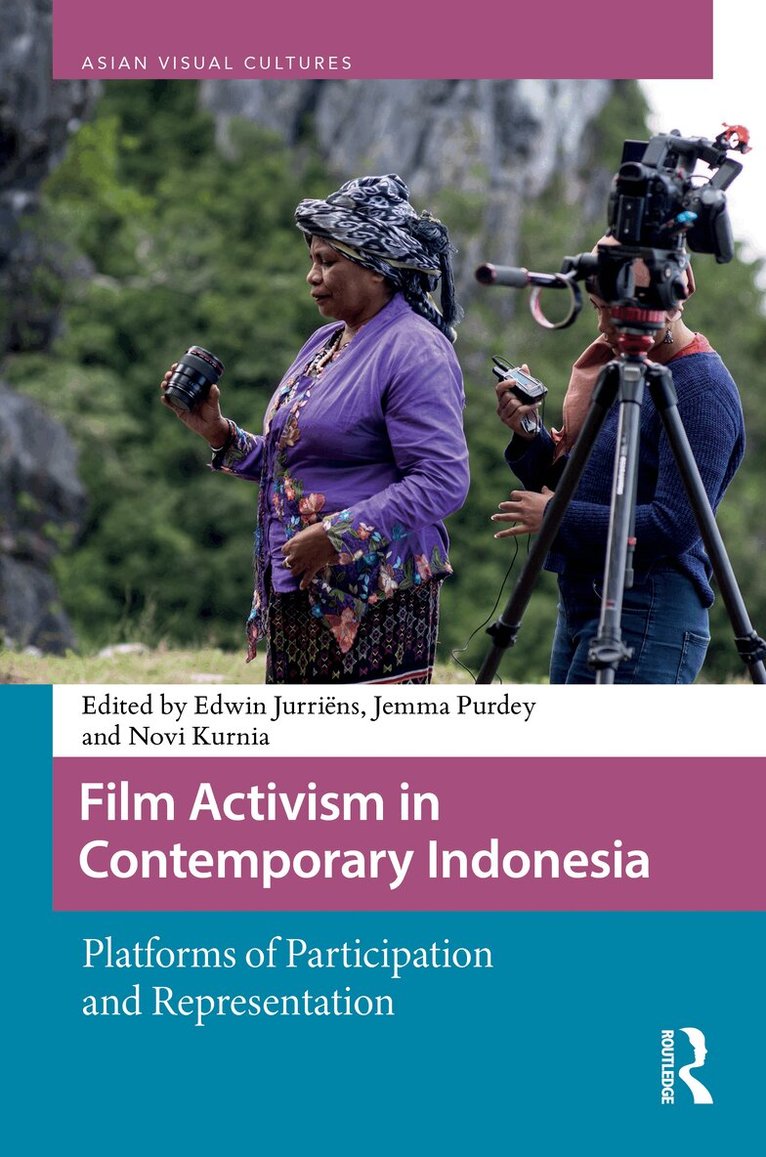
Film Activism in Contemporary Indonesia
Platforms of Participation and Representation
Av Edwin Jurriëns, Jemma Purdey m. fl.
Inbunden, 2026
2504 kr
Lägg i varukorg
This edited volume seeks to evaluate the complex tensions between democratic renewal and regression by focusing on the activist efforts by Indonesian filmmakers to maintain and open spaces for creative experimentation, critical reflection, and social diversity.After the fall of the authoritarian …
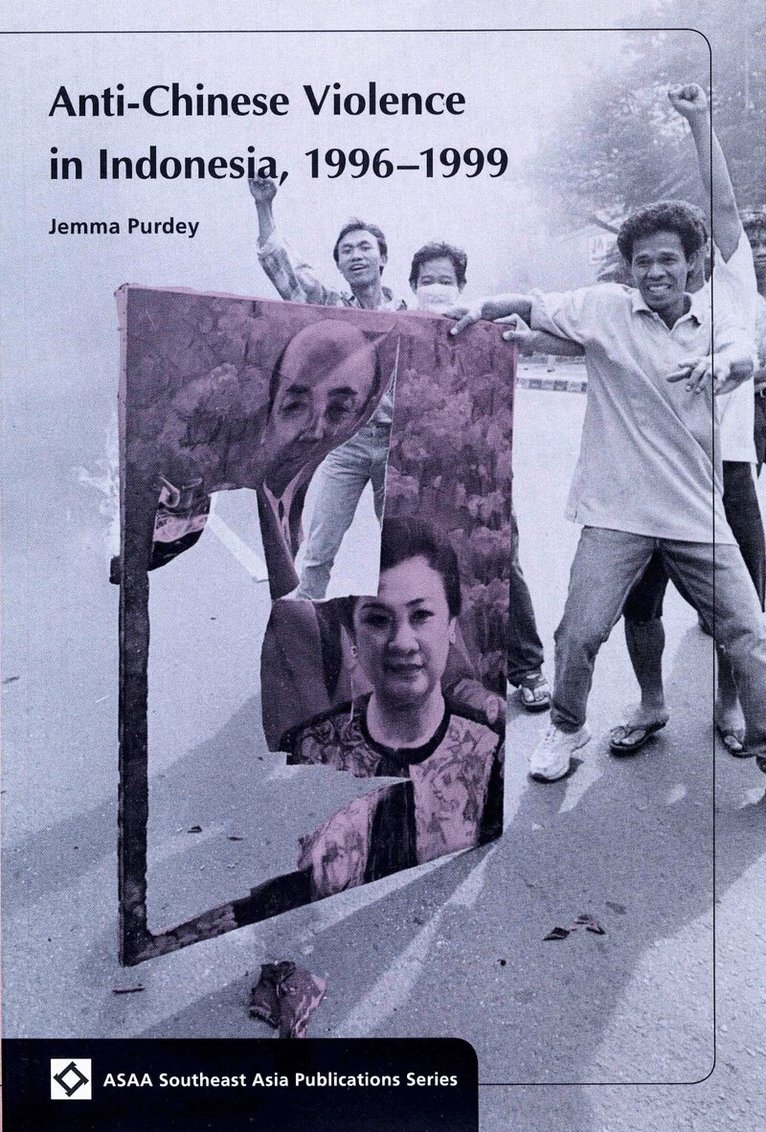
Anti-Chinese Violence in Indonesia 1996-1999
Av Jemma Purdey
Häftad, 2005
338 kr
Lägg i varukorg
Indonesians of Chinese descent constitute only two to three per cent of the country's population but dominate the private business sector. Serious acts of violence against this ethnic minority occurred during Indonesia's colonial past, and after a period relatively free of such incidents became …
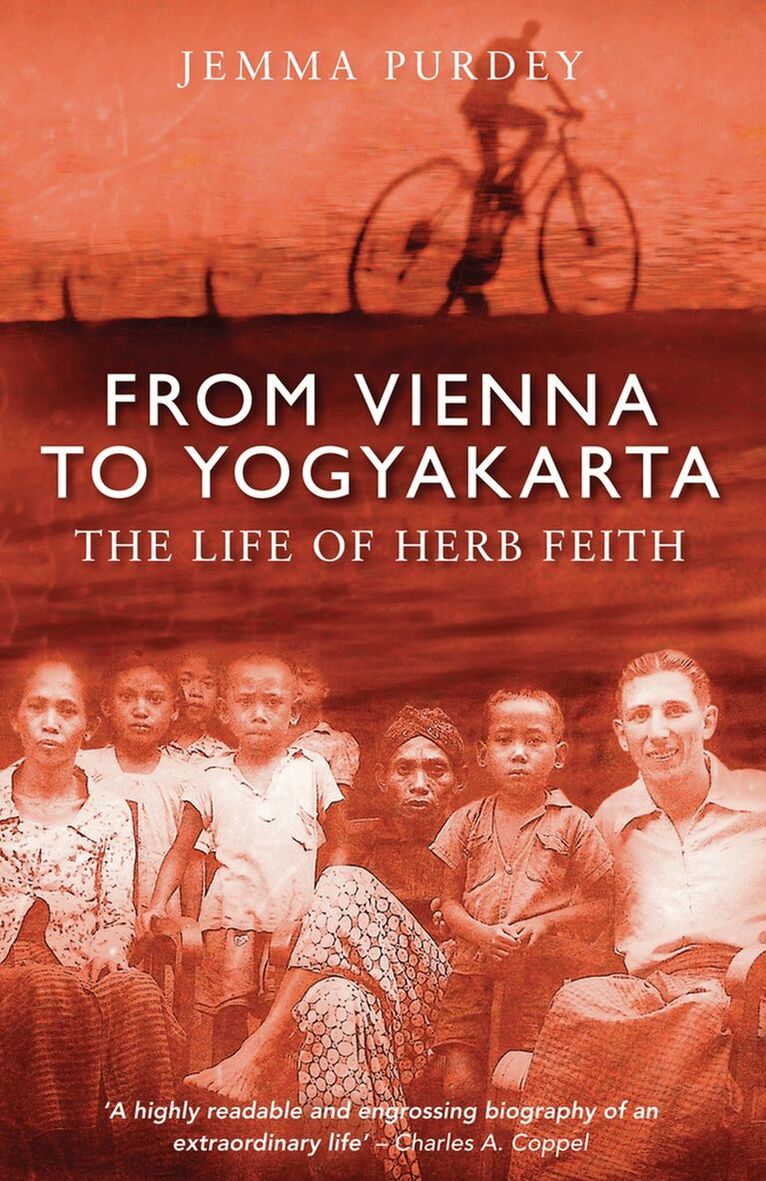
From Vienna to Yogyakarta
The Life of Herb Feith
Av Jemma Purdey
Häftad, 2011
555 kr
Tillfälligt slut
Herb Feith came to Australia as a Jewish refugee from war-torn Europe in 1939 and went on to become an internationally renowned and passionate scholar of Indonesia. He died tragically in Melbourne in 2001. This engaging biography tells his own extraordinary story and traces his interest in …