Jennifer Forrest - Böcker
Visar alla böcker från författaren Jennifer Forrest. Handla med fri frakt och snabb leverans.
5 produkter
5 produkter
2 430 kr
Skickas inom 10-15 vardagar
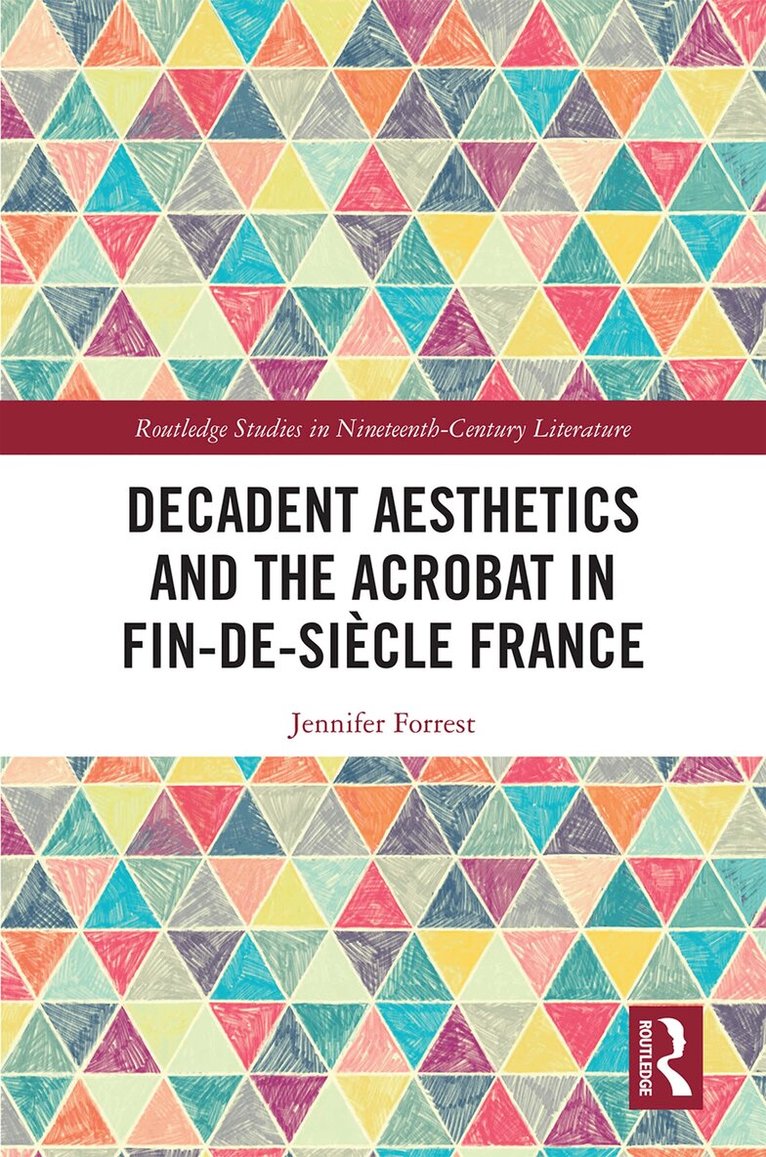
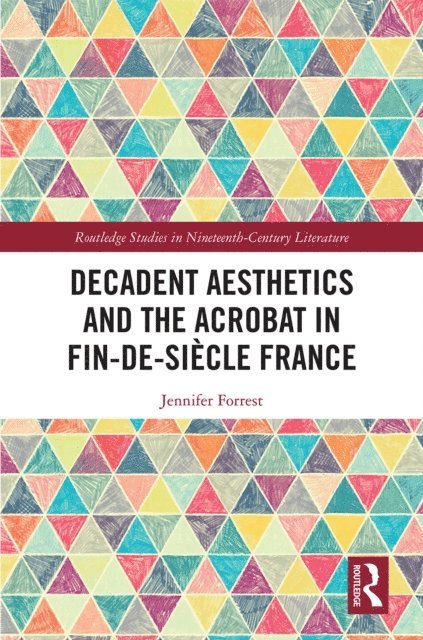
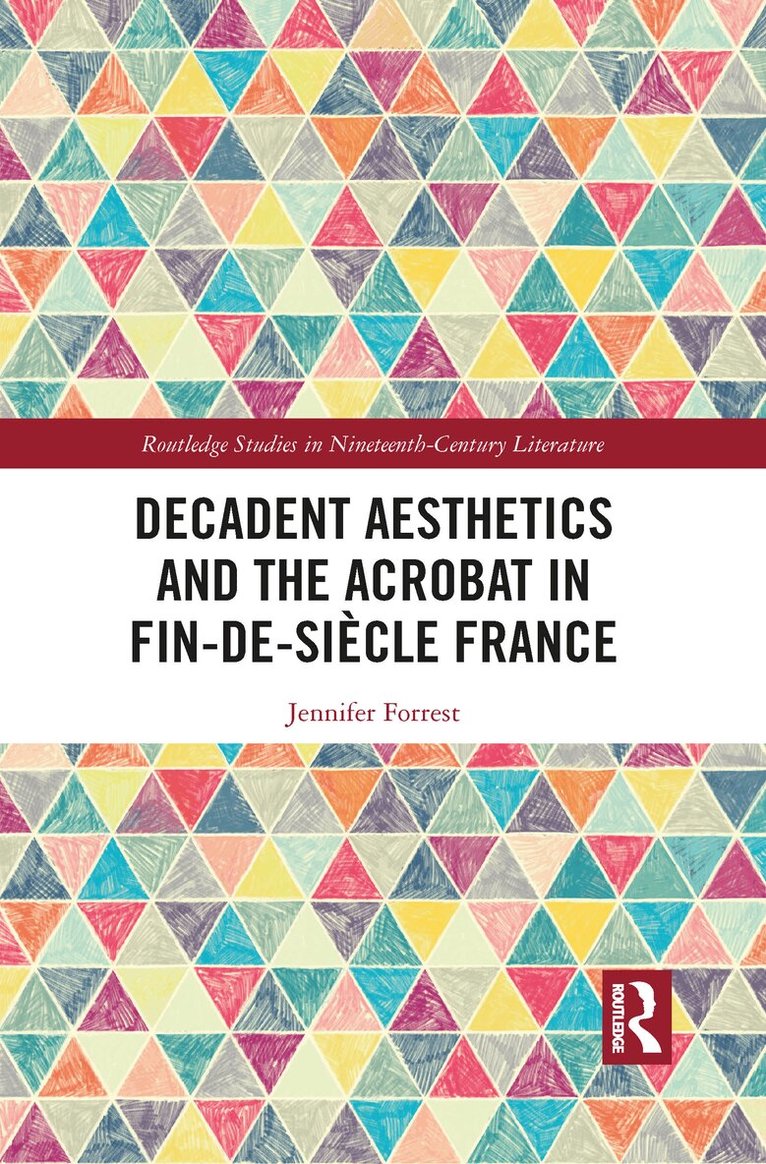
In his discussion of clowns in nineteenth-century French painting from Jean-Léon Gérôme’s 1857 La Sortie du bal masqué to Georges Rouault, art historian Francis Haskell wondered why they are so sad. The myth of the sad clown as an allegory for the unappreciated artist found echoes in the work of literary counterparts like Charles Baudelaire and his "Vieux saltimbanque" who seeks in vain a responsive public. For some, the attraction of the acrobatic clown for the creative imagination may have been his ability to embody the plight of the artist: these artistes generally led an ambulatory and uncertain existence. Other artists and writers, however, particularly the Decadents, perceived in the circus acrobat – including the acrobatic clown – a conceptual and performative tool for liberating their points of view from the prison-house of aesthetic convention. If authors’ protagonists were themselves sometimes failures, their aesthetic innovations often produced exhilarating artistic triumphs. Among the works examined in this study are the circus posters of Jules Chéret, Thomas Couture’s Pierrot and Harlequin paintings, Honoré Daumier’s saltimbanque paintings, Edgar Degas’s Miss Lala au Cirque Fernando, Édouard Manet’s Un bar au Folies-Bergère, the pantomimes of the Hanlon-Lees troupe, and novels, short stories, and poems by Théodore de Banville, Edmond de Goncourt, J. K. Huysmans, Gustave Kahn, Jules Laforgue, Catulle Mendès, Octave Mirbeau, Jean Richepin, Edouard Rod, and Marcel Schwob.
427 kr
Skickas inom 5-8 vardagar
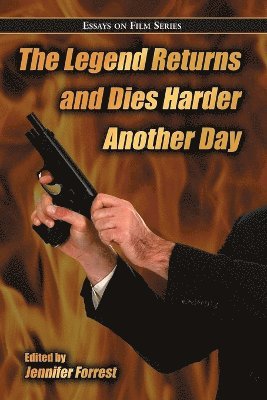
This work examines film series. Some are representative of three periods in American film history--silent cinema, Classic Hollywood cinema, and the post-Classic or New Hollywood cinema. And some are in the tradition of other national cinemas, including those of France, Germany, Hong Kong, Japan and India. The series are examined from a variety of cultural and critical perspectives.In the initial chapter the editor analyzes the series form. Part One examines early cinema, outlining the events and situations after 1907 that allowed early filmmakers to begin creating series based on the complex narratives of popular fiction. Part Two explores the cultural implications of such series as Tarzan, Nancy Drew, and Maisie. Chapters in Part Three analyze James Bond and Star Wars, two of the most widely recognized series in Hollywood history. Part Four examines mid-century Germany's Fridericus and France's Angelique and Caroline. The final part presents studies of the postwar Japanese series Godzilla and Tora-San, the popular Better Tomorrow series from Hong Kong, and several Hindi series from postcolonial India.
1 122 kr
Tillfälligt slut
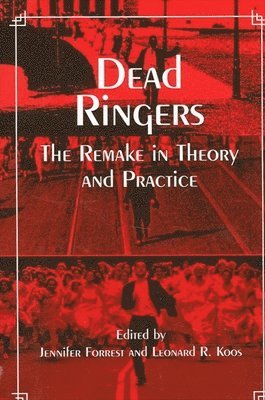
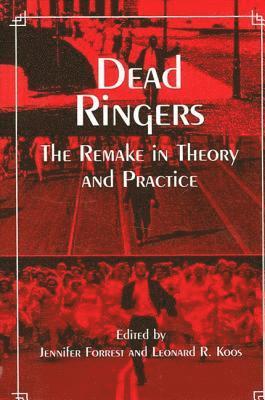
Addresses the important role of remakes in film culture, from early cinema to contemporary Hollywood.While the popular press has criticized movie remakes as signs of Hollywood's collective lack of imagination, the essays in Dead Ringers reveal the centrality and staying power of remakes as a formative genre in filmmaking. The contributors show that the practice of remaking films dates back to the origins of cinema and the evolution of film markets. In fact, remakes were never so prevalent as during the Classic Hollywood period, when filmmaking had achieved its greatest degree of industrialization, and they continue to play a crucial role in the development of film genres generally. Offering a variety of historical, commercial, theoretical, and cultural perspectives on the remake, Dead Ringers is a valuable resource for students of film history and theory, as well as those interested in the cultural politics of the late twentieth century.
630 kr
Skickas inom 3-6 vardagar
Addresses the important role of remakes in film culture, from early cinema to contemporary Hollywood.While the popular press has criticized movie remakes as signs of Hollywood's collective lack of imagination, the essays in Dead Ringers reveal the centrality and staying power of remakes as a formative genre in filmmaking. The contributors show that the practice of remaking films dates back to the origins of cinema and the evolution of film markets. In fact, remakes were never so prevalent as during the Classic Hollywood period, when filmmaking had achieved its greatest degree of industrialization, and they continue to play a crucial role in the development of film genres generally. Offering a variety of historical, commercial, theoretical, and cultural perspectives on the remake, Dead Ringers is a valuable resource for students of film history and theory, as well as those interested in the cultural politics of the late twentieth century.
727 kr
Skickas inom 10-15 vardagar
In his discussion of clowns in nineteenth-century French painting from Jean-Léon Gérôme’s 1857 La Sortie du bal masqué to Georges Rouault, art historian Francis Haskell wondered why they are so sad. The myth of the sad clown as an allegory for the unappreciated artist found echoes in the work of literary counterparts like Charles Baudelaire and his "Vieux saltimbanque" who seeks in vain a responsive public. For some, the attraction of the acrobatic clown for the creative imagination may have been his ability to embody the plight of the artist: these artistes generally led an ambulatory and uncertain existence. Other artists and writers, however, particularly the Decadents, perceived in the circus acrobat – including the acrobatic clown – a conceptual and performative tool for liberating their points of view from the prison-house of aesthetic convention. If authors’ protagonists were themselves sometimes failures, their aesthetic innovations often produced exhilarating artistic triumphs. Among the works examined in this study are the circus posters of Jules Chéret, Thomas Couture’s Pierrot and Harlequin paintings, Honoré Daumier’s saltimbanque paintings, Edgar Degas’s Miss Lala au Cirque Fernando, Édouard Manet’s Un bar au Folies-Bergère, the pantomimes of the Hanlon-Lees troupe, and novels, short stories, and poems by Théodore de Banville, Edmond de Goncourt, J. K. Huysmans, Gustave Kahn, Jules Laforgue, Catulle Mendès, Octave Mirbeau, Jean Richepin, Edouard Rod, and Marcel Schwob.