
Jennifer Hecht – författare
Visar alla böcker från författaren Jennifer Hecht. Handla med fri frakt och snabb leverans.
3 produkter
3 produkter
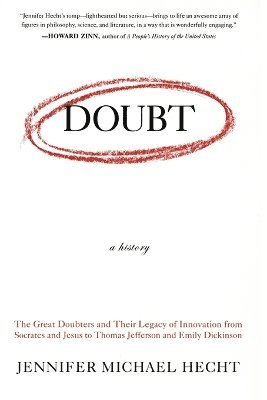
Häftad, Engelska, 2004
167 kr
Skickas inom 5-8 vardagar
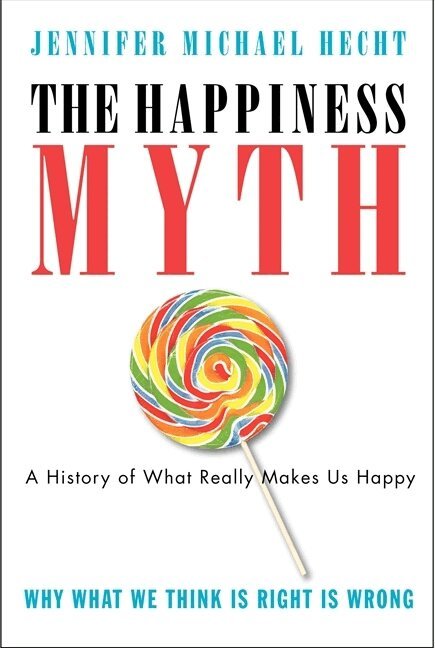
Häftad, Engelska, 2008
132 kr
Skickas
Historian Jennifer Michael Hecht looks at contemporary happiness advice, explains why much of it doesn't work, and why it drives us crazy and makes us miserable. Using a social/pop-culture look at the world, she begins her inquiry through the lens of today's most oft perused paths towards attaining happiness - money, mood-managing drugs, knowledge, celebration, and bodies - and then reveals unsuspected insights about how these approaches have faired throughout history. With a new-found historical perspective, Hecht liberates us from the scolding, quasi-scientific messages that insist there's only one way to care for our minds and bodies. Rich with anecdotes about both failed and successful paths to happiness, Hecht traces a common thread of advice she calls 'our charm wisdom' that we can still apply today to create authentic, lasting happiness.
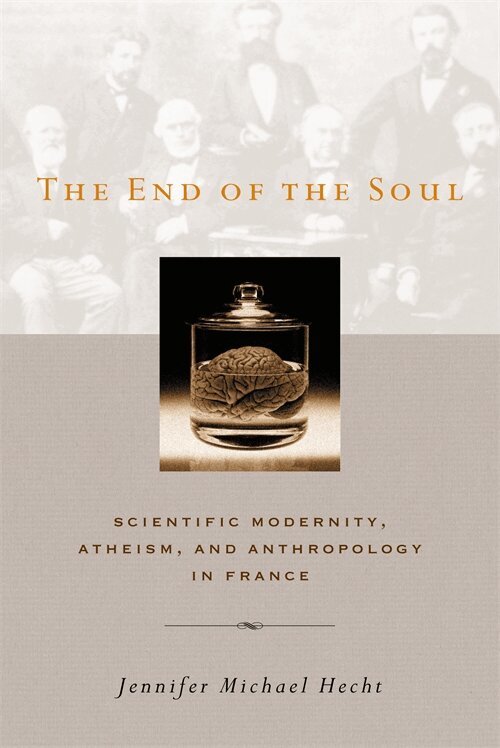
Häftad, Engelska, 2005
328 kr
Tillfälligt slut
On October 19, 1876 a group of leading French citizens, both men and women included, joined together to form an unusual group, The Society of Mutual Autopsy, with the aim of proving that souls do not exist. The idea was that, after death, they would dissect one another and (hopefully) show a direct relationship between brain shapes and sizes and the character, abilities and intelligence of individuals. This strange scientific pact, and indeed what we have come to think of as anthropology, which the group's members helped to develop, had its genesis in aggressive, evangelical atheism. With this group as its focus, The End of the Soul is a study of science and atheism in France in late nineteenth and early twentieth centuries. It shows that anthropology grew in the context of an impassioned struggle between the forces of tradition, especially the Catholic faith, and those of a more freethinking modernism, and moreover that it became for many a secular religion.Among the adherents of this new faith discussed here are the novelist Emile Zola, the great statesman Leon Gambetta, the American birth control advocate Margaret Sanger, and Arthur Conan Doyle, whose Sherlock Holmes embodied the triumph of ratiocination over credulity. Boldly argued, full of colorful characters and often bizarre battles over science and faith, this book represents a major contribution to the history of science and European intellectual history.