Jennifer L. Lambe - Böcker
Visar alla böcker från författaren Jennifer L. Lambe. Handla med fri frakt och snabb leverans.
7 produkter
7 produkter
1 370 kr
Kommande
Cuban Studies is the preeminent journal for scholarly work on Cuba. Each volume includes articles in English and Spanish and a large book review section. In publication since 1970, this interdisciplinary journal covers all aspects of Cuban history, politics, culture, diaspora, and more. In Volume 56, the Voices from Cuba section includes four pieces. There also are five research articles and two dossiers, one that focuses on Cuban solidarity in the post-pandemic era and one on the circulation of global literature with Cuba in the 1960s and 1970s.Contributors include: Tamarys L. Bahamonde, Michael J. Bustamante, Nicola Dracoulis, Mayra Espina, Daniel J. Fernández-Guevara, Patricia Figueroa, Anna Forné, Juan Antonio García Borrero, Katerina Gonzalez Seligmann, Katrin Hansing, Jorge J. Locane, Aaron Coy Moulton, Xu Peng, Lisandro Pérez, Jack DeVry Riordan, Allen Guillermo Rivas Prado, Adriana Rodríguez-Alfonso, José Ramón Sánchez, Olga Sanz Casasnovas, and Esther Whitfield.
1 092 kr
Skickas inom 10-15 vardagar
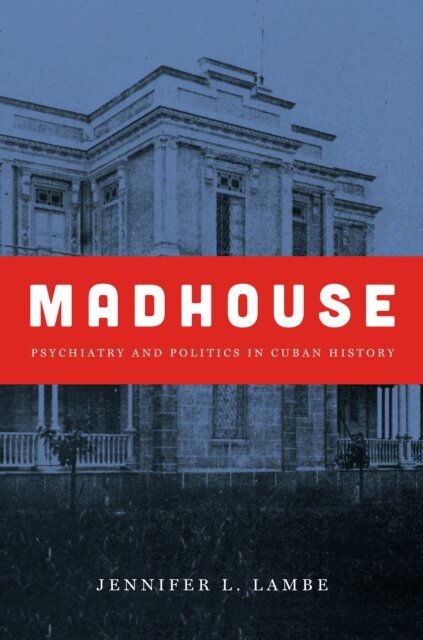
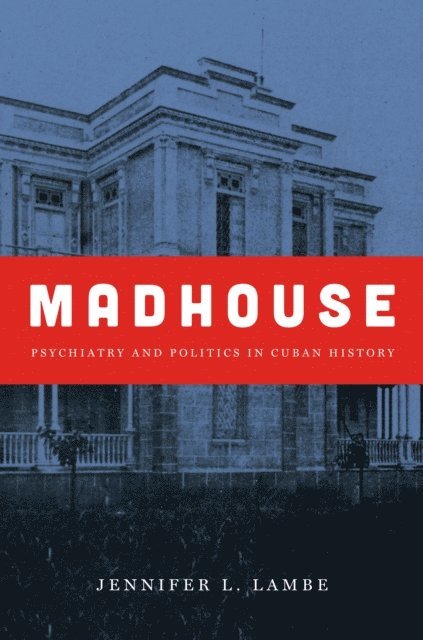
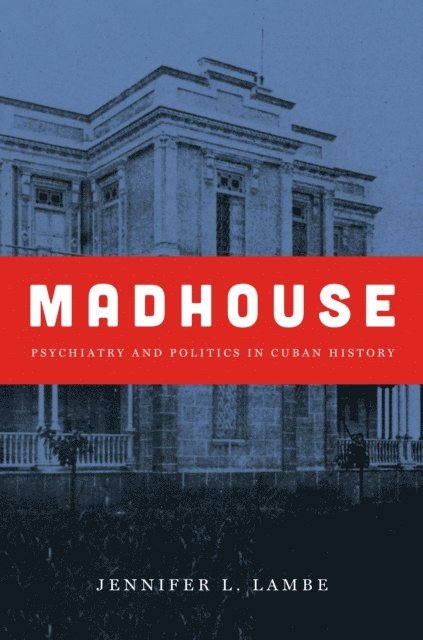
On the outskirts of Havana lies Mazorra, an asylum known to--and at times feared by--ordinary Cubans for over a century. Since its founding in 1857, the island's first psychiatric hospital has been an object of persistent political attention. Drawing on hospital documents and government records, as well as the popular press, photographs, and oral histories, Jennifer L. Lambe charts the connections between the inner workings of this notorious institution and the highest echelons of Cuban politics. Across the sweep of modern Cuban history, she finds, Mazorra has served as both laboratory and microcosm of the Cuban state: the asylum is an icon of its ignominious colonial and neocolonial past and a crucible of its republican and revolutionary futures.From its birth, Cuban psychiatry was politically inflected, drawing partisan contention while sparking debates over race, religion, gender, and sexuality. Psychiatric notions were even invested with revolutionary significance after 1959, as the new government undertook ambitious schemes for social reeducation. But Mazorra was not the exclusive province of government officials and professionalizing psychiatrists. U.S. occupiers, Soviet visitors, and, above all, ordinary Cubans infused the institution, both literal and metaphorical, with their own fears, dreams, and alternative meanings. Together, their voices comprise the madhouse that, as Lambe argues, haunts the revolutionary trajectory of Cuban history.
433 kr
Skickas inom 10-15 vardagar
On the outskirts of Havana lies Mazorra, an asylum known to--and at times feared by--ordinary Cubans for over a century. Since its founding in 1857, the island's first psychiatric hospital has been an object of persistent political attention. Drawing on hospital documents and government records, as well as the popular press, photographs, and oral histories, Jennifer L. Lambe charts the connections between the inner workings of this notorious institution and the highest echelons of Cuban politics. Across the sweep of modern Cuban history, she finds, Mazorra has served as both laboratory and microcosm of the Cuban state: the asylum is an icon of its ignominious colonial and neocolonial past and a crucible of its republican and revolutionary futures.From its birth, Cuban psychiatry was politically inflected, drawing partisan contention while sparking debates over race, religion, gender, and sexuality. Psychiatric notions were even invested with revolutionary significance after 1959, as the new government undertook ambitious schemes for social reeducation. But Mazorra was not the exclusive province of government officials and professionalizing psychiatrists. U.S. occupiers, Soviet visitors, and, above all, ordinary Cubans infused the institution, both literal and metaphorical, with their own fears, dreams, and alternative meanings. Together, their voices comprise the madhouse that, as Lambe argues, haunts the revolutionary trajectory of Cuban history.
1 092 kr
Skickas inom 10-15 vardagar
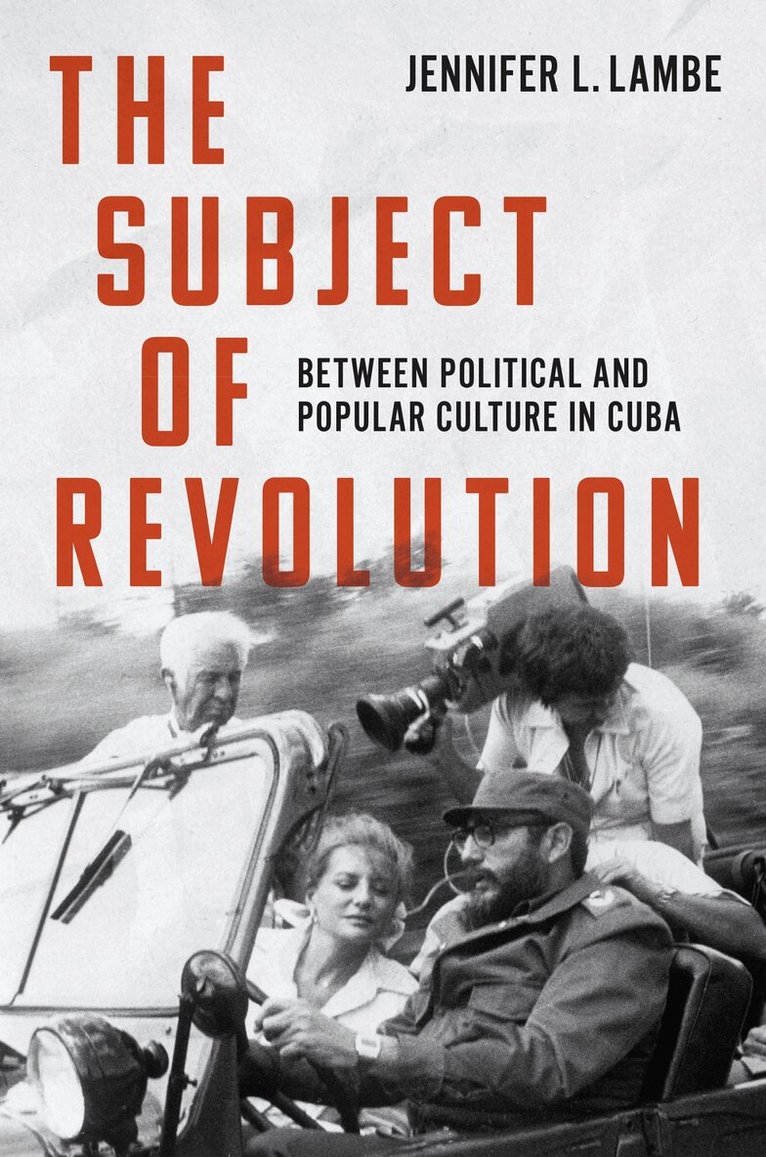
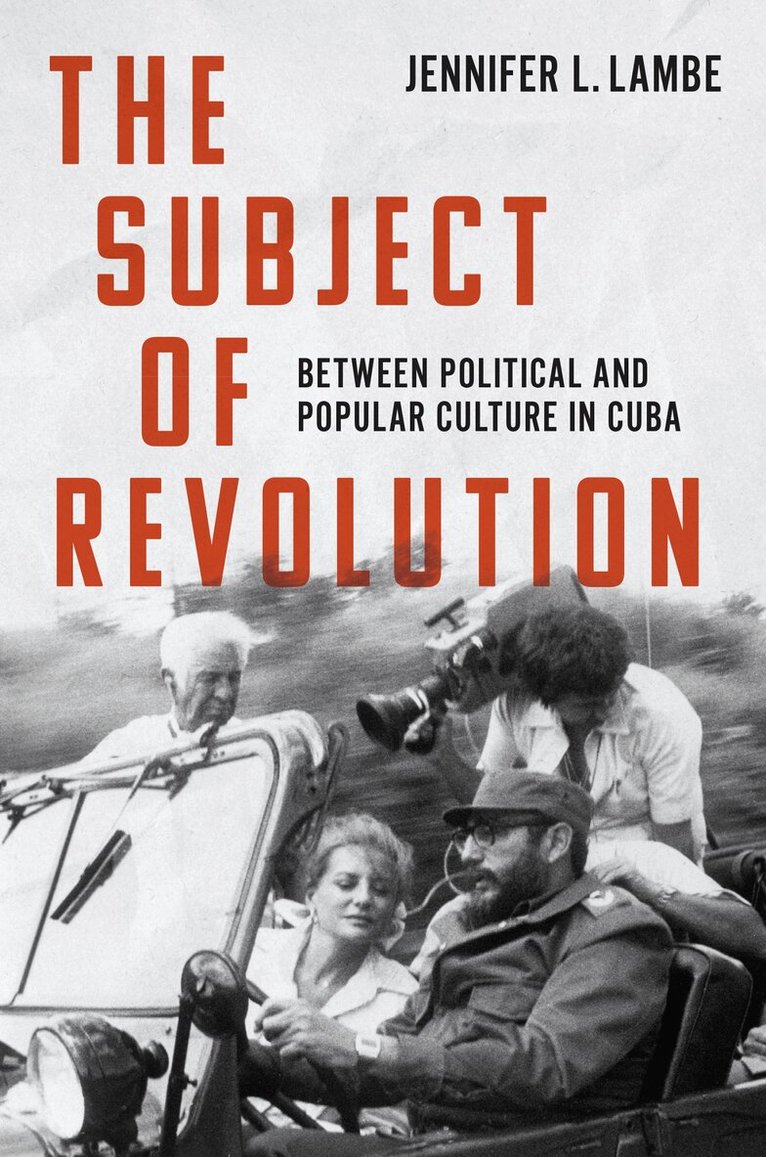
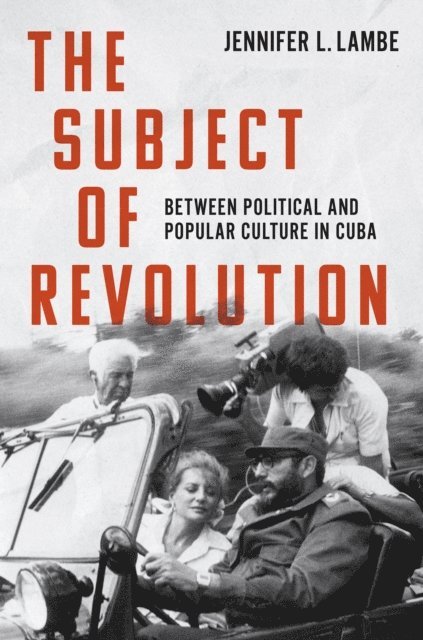
From television to travel bans, geopolitics to popular dance, The Subject of Revolution explores how knowledge about the 1959 Cuban Revolution was produced and how the Revolution in turn shaped new worldviews. Drawing on sources from over twenty archives as well as film, music, theater, and material culture, this book traces the consolidation of the Revolution over two decades in the interface between political and popular culture. The ""subject of Revolution,"" it proposes, should be understood as the evolving synthesis of the imaginaries constructed by its many ""subjects,"" including revolutionary leaders, activists, academics, and ordinary people within and beyond the island's borders. The book reopens some of the questions that have long animated debates about Cuba, from the relationship between populace and leadership to the archive and its limits, while foregrounding the construction of popular understandings. It argues that the politicization of everyday life was an inescapable effect of the revolutionary process, as well as the catalyst for new ways of knowing and being.
350 kr
Skickas inom 10-15 vardagar
From television to travel bans, geopolitics to popular dance, The Subject of Revolution explores how knowledge about the 1959 Cuban Revolution was produced and how the Revolution in turn shaped new worldviews. Drawing on sources from over twenty archives as well as film, music, theater, and material culture, this book traces the consolidation of the Revolution over two decades in the interface between political and popular culture. The ""subject of Revolution,"" it proposes, should be understood as the evolving synthesis of the imaginaries constructed by its many ""subjects,"" including revolutionary leaders, activists, academics, and ordinary people within and beyond the island's borders. The book reopens some of the questions that have long animated debates about Cuba, from the relationship between populace and leadership to the archive and its limits, while foregrounding the construction of popular understandings. It argues that the politicization of everyday life was an inescapable effect of the revolutionary process, as well as the catalyst for new ways of knowing and being.
1 509 kr
Skickas inom 7-10 vardagar
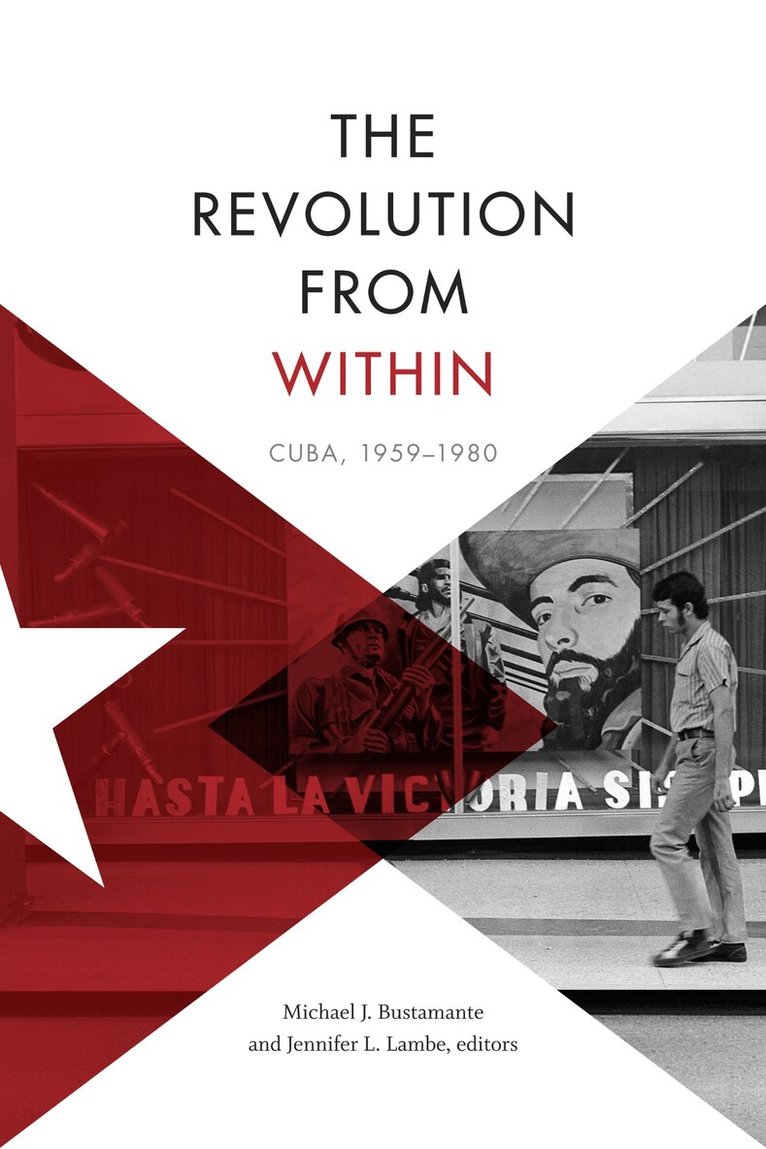
What does the Cuban Revolution look like “from within?" This volume proposes that scholars and observers of Cuba have too long looked elsewhere-from the United States to the Soviet Union-to write the island's post-1959 history. Drawing on previously unexamined archives, the contributors explore the dynamics of sociopolitical inclusion and exclusion during the Revolution's first two decades. They foreground the experiences of Cubans of all walks of life, from ordinary citizens and bureaucrats to artists and political leaders, in their interactions with and contributions to the emerging revolutionary state. In essays on agrarian reform, the environment, dance, fashion, and more, contributors enrich our understanding of the period beginning with the utopic mobilizations of the early 1960s and ending with the 1980 Mariel boatlift. In so doing, they offer new perspectives on the Revolution that are fundamentally driven by developments on the island. Bringing together new historical research with comparative and methodological reflections on the challenges of writing about the Revolution, The Revolution from Within highlights the political stakes attached to Cuban history after 1959.Contributors. Michael J. Bustamante, MarÍa A. Cabrera ArÚs, MarÍa del Pilar DÍaz CastaÑÓn, Ada Ferrer, Alejandro de la Fuente, Reinaldo Funes Monzote, Lillian Guerra, Jennifer L. Lambe, Jorge Macle Cruz, Christabelle Peters, Rafael Rojas, Elizabeth Schwall, Abel Sierra Madero
373 kr
Skickas inom 7-10 vardagar
What does the Cuban Revolution look like “from within?" This volume proposes that scholars and observers of Cuba have too long looked elsewhere-from the United States to the Soviet Union-to write the island's post-1959 history. Drawing on previously unexamined archives, the contributors explore the dynamics of sociopolitical inclusion and exclusion during the Revolution's first two decades. They foreground the experiences of Cubans of all walks of life, from ordinary citizens and bureaucrats to artists and political leaders, in their interactions with and contributions to the emerging revolutionary state. In essays on agrarian reform, the environment, dance, fashion, and more, contributors enrich our understanding of the period beginning with the utopic mobilizations of the early 1960s and ending with the 1980 Mariel boatlift. In so doing, they offer new perspectives on the Revolution that are fundamentally driven by developments on the island. Bringing together new historical research with comparative and methodological reflections on the challenges of writing about the Revolution, The Revolution from Within highlights the political stakes attached to Cuban history after 1959.Contributors. Michael J. Bustamante, MarÍa A. Cabrera ArÚs, MarÍa del Pilar DÍaz CastaÑÓn, Ada Ferrer, Alejandro de la Fuente, Reinaldo Funes Monzote, Lillian Guerra, Jennifer L. Lambe, Jorge Macle Cruz, Christabelle Peters, Rafael Rojas, Elizabeth Schwall, Abel Sierra Madero