Jennifer Maier - Böcker
Visar alla böcker från författaren Jennifer Maier. Handla med fri frakt och snabb leverans.
3 produkter
3 produkter
205 kr
Skickas inom 7-10 vardagar
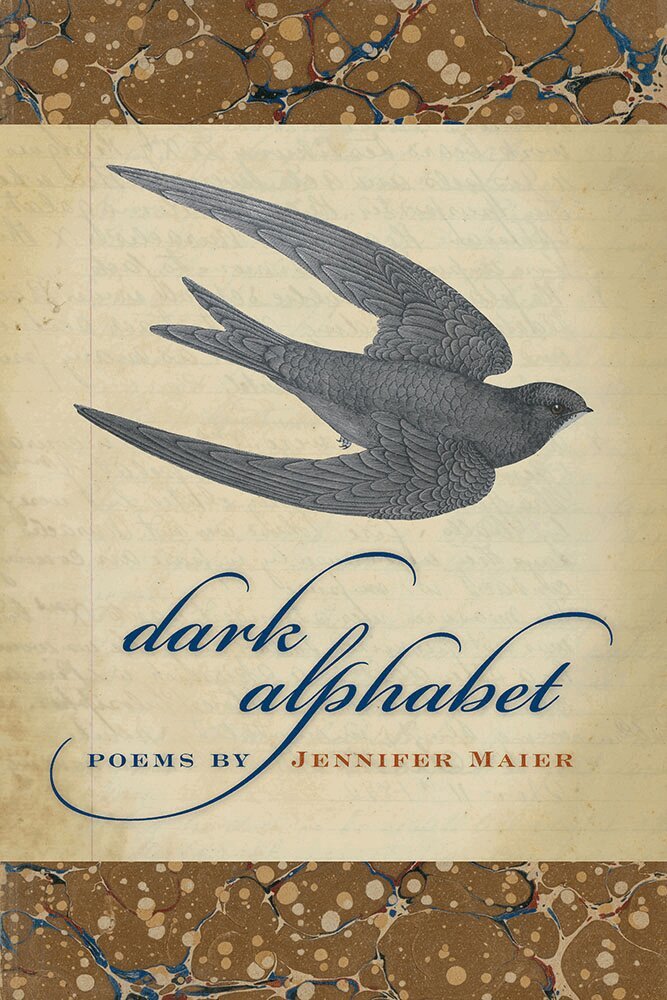
In works whose subjects range from the religious to the carnal, the whimsical to the foreboding, Jennifer Maier's debut collection of poems, ""Dark Alphabet"", explores the everyday mysteries of our common experience with humor, lucidity, and an unblinking yet compassionate eye. Whether occasioned by a song overheard on the car radio, a packet of risque postcards from the 1920's, a conversation with a dead parent, or the behavior of ducks in mating season, each poem sets off on a journey that ranges far from its origins, arriving with the reader in a clearing at dusk, in a place of wise good humor and somber grace.
285 kr
Skickas inom 7-10 vardagar
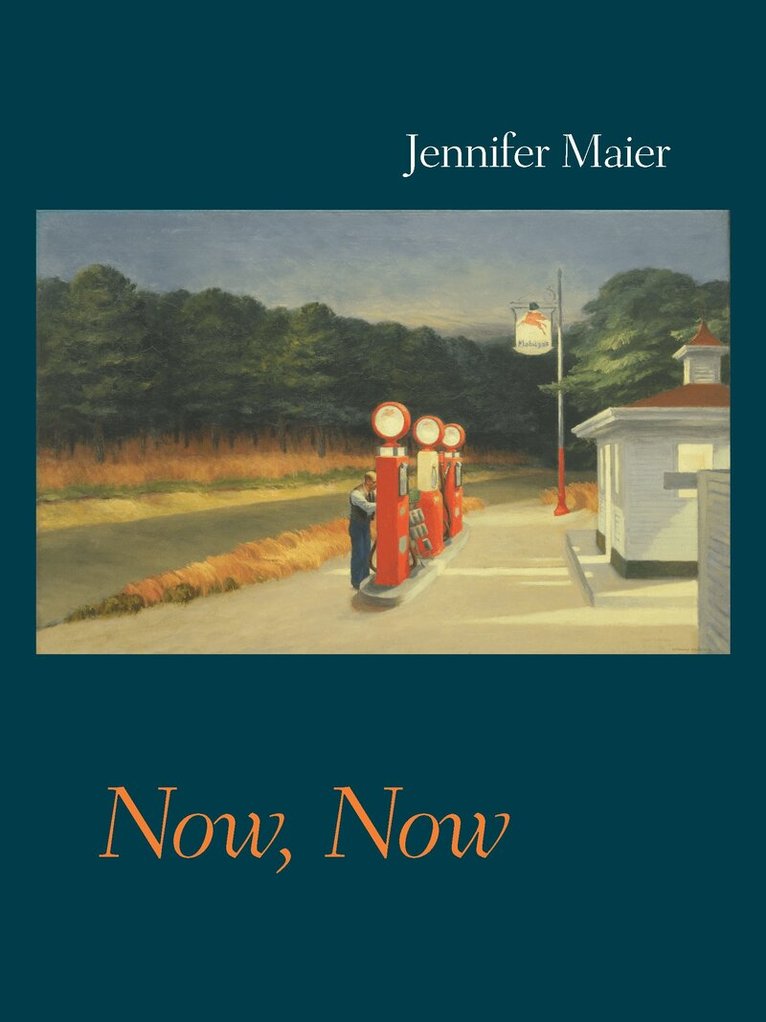
In Now, Now, Jennifer Maier's second poetry collection, time is of the essence.Moving with quantum ease through the porous membranes of the past, present, and future, the speaker wonders: What is each moment but the swirling confluence (or shy first meeting) of past and future—of what happened, and what-has-not-yet-happened but will?Such phenomenological questions are sparked by ordinary events: a friend's passion for jigsaw puzzles; an imagined conversation with a neighbor's dog; a meditation on the uses of modern poetry. Here, in language at once elegant and agile, intimate and universal, the author probes beneath the surface of happenstance, moving with depth, humor, and compassion into the heart of our shared predicament: that of loving what we cannot keep.But if time in these poems is relative, it bends toward grace—even, as the title suggests, toward consolation. Taken together, the poems invite us to raise a glass to the way we're each "held light and golden in Time's mouth," and to savor something of the eternal—distilled, sparkling, already lost—inside every now.
285 kr
Skickas inom 7-10 vardagar
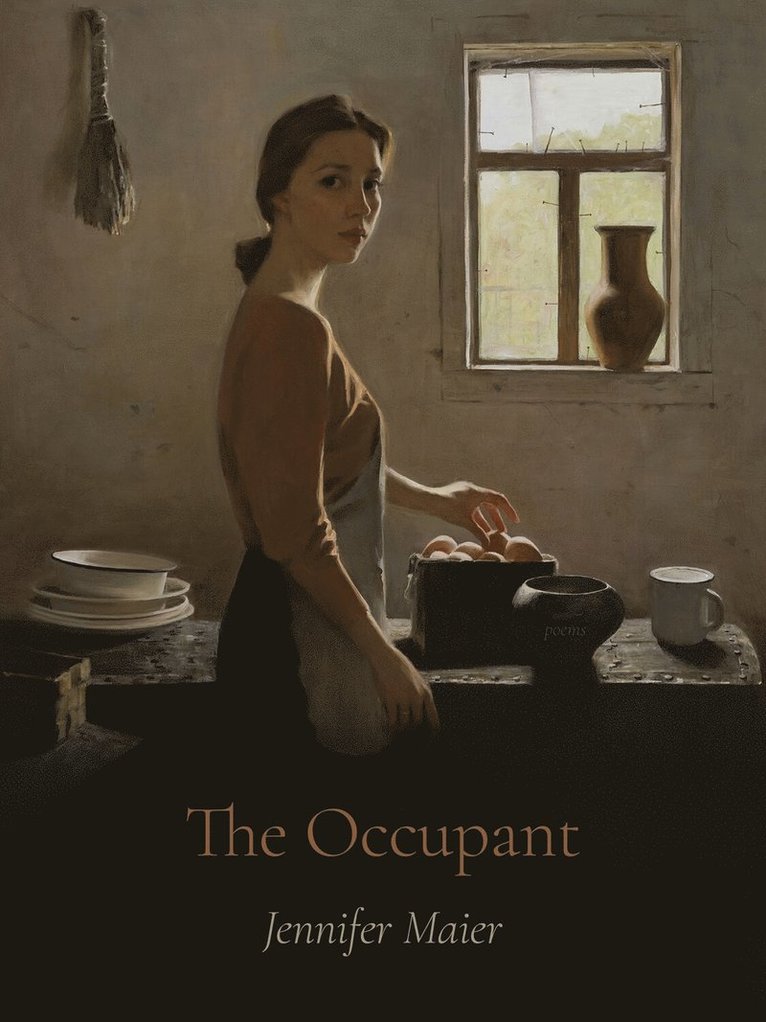
The Occupant isa collection of persona and prose poems that explores the “inner lives” of common household objects, along with that of “The Occupant” of the house, their human keeper. Taken together, their shifting perspectives engage questions of time, mortality, and the nature of consciousness itself, reminding readers of the beauty and strangeness that lurk under the surface of ordinary thought—the “other world” that, as Paul Éluard noted, “resides in this one.”