Jennifer Randles - Böcker
Visar alla böcker från författaren Jennifer Randles. Handla med fri frakt och snabb leverans.
7 produkter
7 produkter
517 kr
Skickas inom 7-10 vardagar
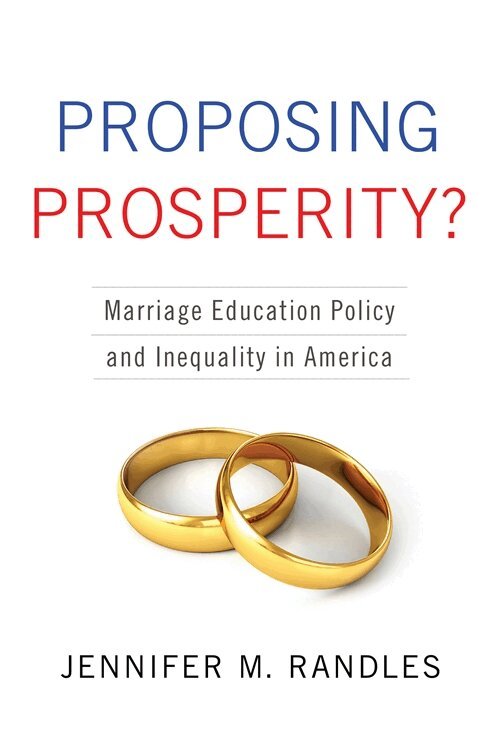
"Fragile families"-unmarried parents who struggle emotionally and financially-are one of the primary targets of the Healthy Marriage Initiative, a federal policy that has funded marriage education programs in nearly every state. These programs, which encourage marriage by teaching relationship skills, are predicated on the hope that married couples can provide a more emotionally and financially stable home for their children. Healthy marriage policy promotes a pro-marriage culture in which two-parent married families are considered the healthiest. It also assumes that marriage can be a socioeconomic survival mechanism for low-income families, and an engine of upward mobility. Through interviews with couples and her own observations and participation in marriage education courses, Jennifer M. Randles challenges these assumptions and critically examines the effects of such classes on participants. She takes the reader inside healthy marriage classrooms to reveal how their curricula are reflections of broader issues of culture, gender, governance, and social inequality.In analyzing the implementation of healthy marriage policy, Randles questions whether it should target individual behavior or the social and economic context of that behavior. The most valuable approach, she concludes, will not be grounded in notions of middle-class marriage culture. Instead, it will reflect the fundamental premise that love and commitment thrive most within the context of social and economic opportunity.
1 469 kr
Skickas inom 3-6 vardagar
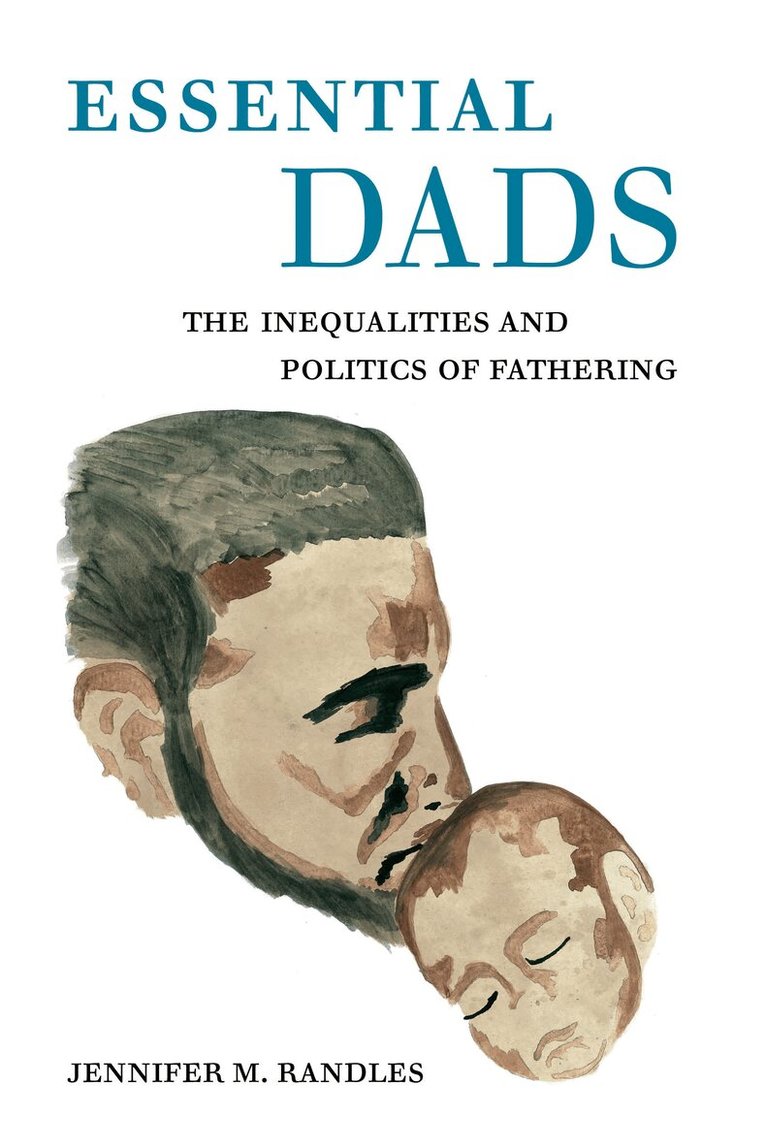
In Essential Dads, sociologist Jennifer Randles shares the stories of more than 60 marginalized men as they sought to become more engaged parents through a government-supported “responsible” fatherhood program. Dads’ experiences serve as a unique window into long-standing controversies about the importance of fathering, its connection to inequality, and the state’s role in shaping men’s parenting. With a compassionate and hopeful voice, Randles proposes a more equitable political agenda for fatherhood, one that carefully considers the social and economic factors shaping men’s abilities to be involved in their children’s lives and the ideologies that rationalize the necessity of that involvement.
518 kr
Skickas inom 3-6 vardagar
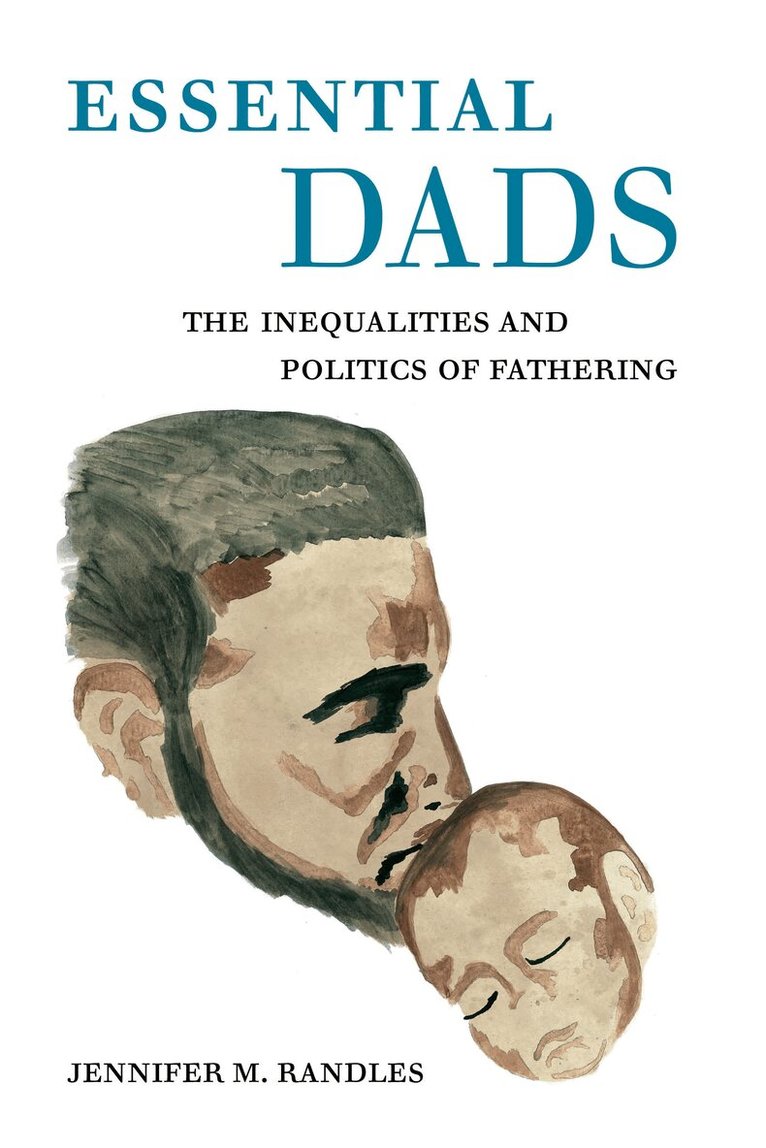
In Essential Dads, sociologist Jennifer Randles shares the stories of more than 60 marginalized men as they sought to become more engaged parents through a government-supported “responsible” fatherhood program. Dads’ experiences serve as a unique window into long-standing controversies about the importance of fathering, its connection to inequality, and the state’s role in shaping men’s parenting. With a compassionate and hopeful voice, Randles proposes a more equitable political agenda for fatherhood, one that carefully considers the social and economic factors shaping men’s abilities to be involved in their children’s lives and the ideologies that rationalize the necessity of that involvement.
752 kr
Skickas inom 7-10 vardagar
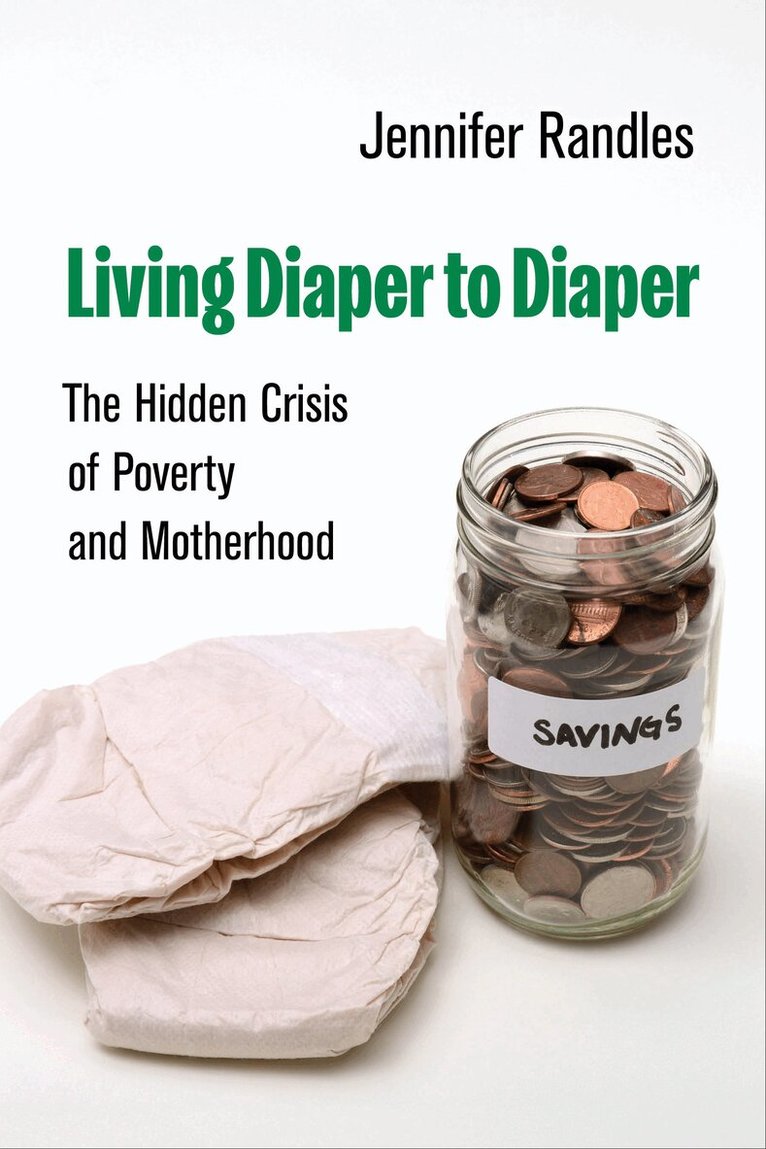
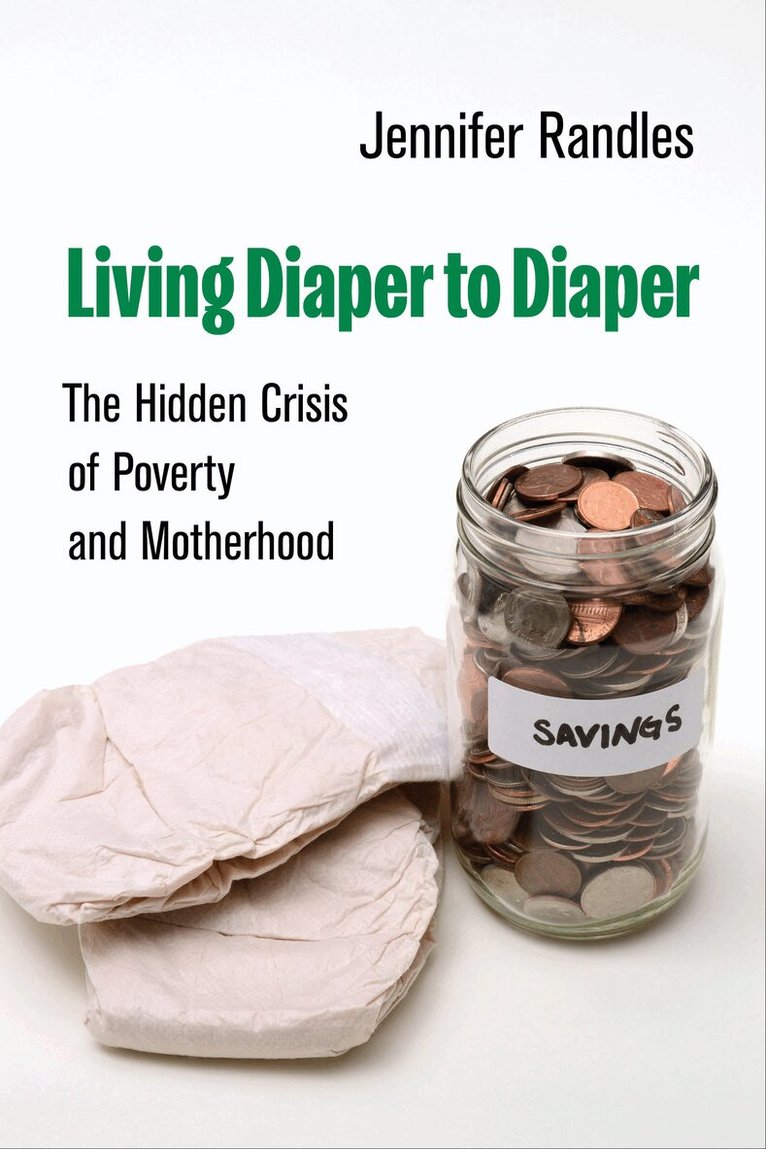
"An urgent spotlight on a dire injustice."—Publishers WeeklyA revealing account of parenting in a country that neglects the needs of poor families—through the humble diaper.Many of us take diapers for granted. Yet diaper insecurity is a common, often hidden consequence of poverty in the US, where nearly half of American families with young children struggle to get enough diapers.Drawing on interviews with mothers dealing with this overlooked issue, Jennifer Randles shows how diapers have unique practical and symbolic significance for the well-being of families. Tracing the social history of diapering, Randles unravels a complex story of caregiving inequalities, the environmental impacts of child-rearing, and responsibility for meeting children’s basic needs. Yet it is also a hopeful story: the book chronicles the work of people who manage diaper banks as well as the growing diaper distribution movement.A hard-nosed yet nuanced tale of parenting, Living Diaper to Diaper is an eye-opening examination of inequality and poverty in America.
242 kr
Skickas inom 7-10 vardagar
"An urgent spotlight on a dire injustice."—Publishers WeeklyA revealing account of parenting in a country that neglects the needs of poor families—through the humble diaper.Many of us take diapers for granted. Yet diaper insecurity is a common, often hidden consequence of poverty in the US, where nearly half of American families with young children struggle to get enough diapers.Drawing on interviews with mothers dealing with this overlooked issue, Jennifer Randles shows how diapers have unique practical and symbolic significance for the well-being of families. Tracing the social history of diapering, Randles unravels a complex story of caregiving inequalities, the environmental impacts of child-rearing, and responsibility for meeting children’s basic needs. Yet it is also a hopeful story: the book chronicles the work of people who manage diaper banks as well as the growing diaper distribution movement.A hard-nosed yet nuanced tale of parenting, Living Diaper to Diaper is an eye-opening examination of inequality and poverty in America.
Policing not Protecting Families
The Child Welfare System As Poverty Governance
Inbunden, Engelska, 2025
970 kr
Skickas inom 10-15 vardagar
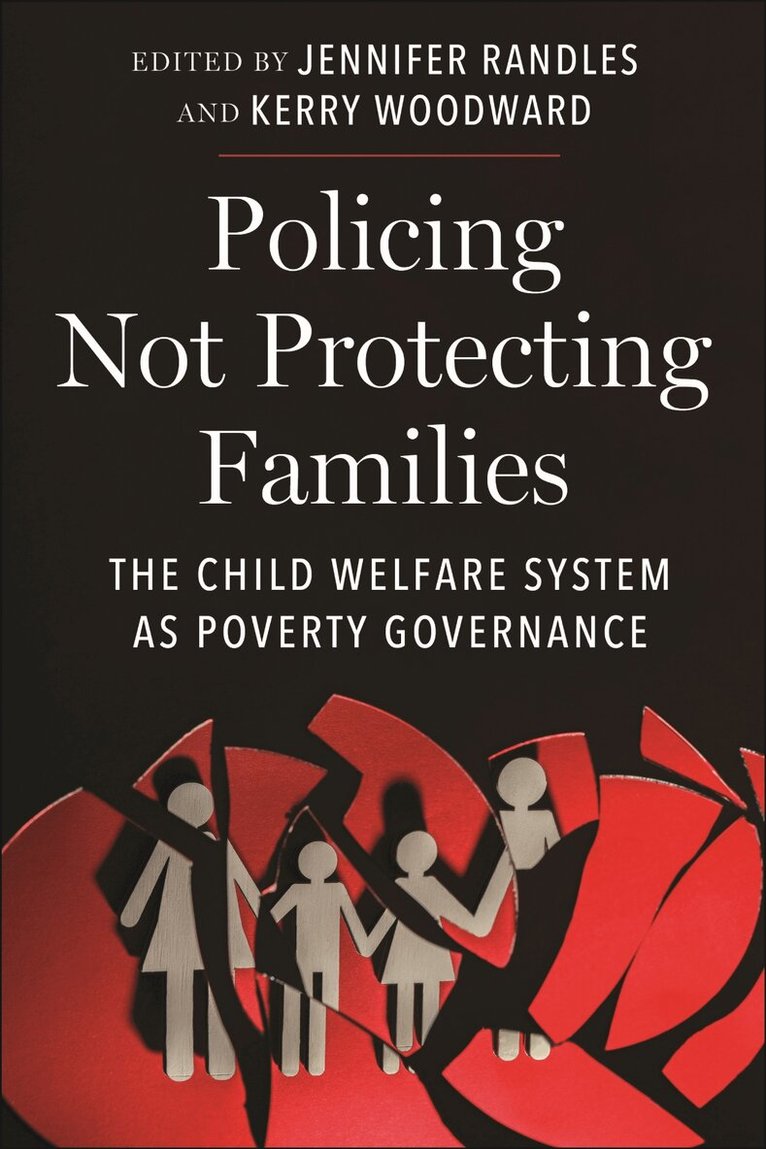
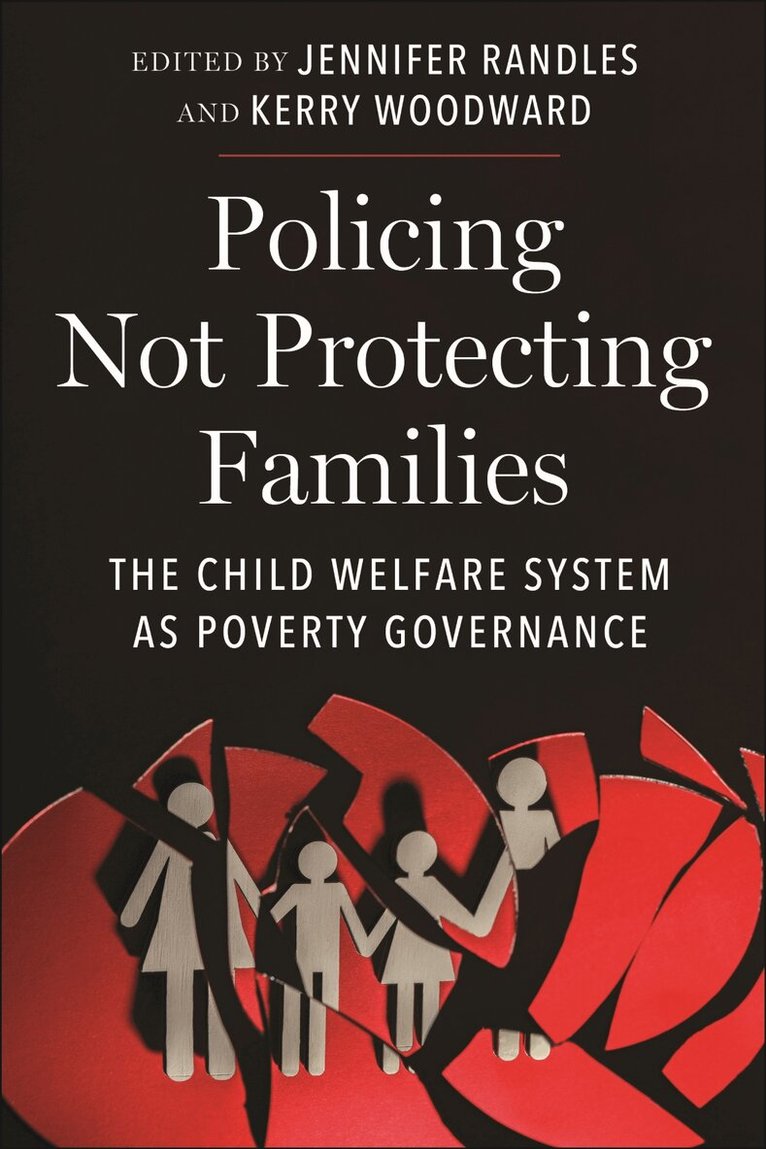
Controlling, surveilling, and punishing poor families through the child welfare systemIn a typical year, one in five US children have some interaction with the child welfare system. Countless other families, particularly those who struggle to care for their children due to poverty or economic insecurity, fear child welfare system involvement. Though imagined as a system that protects children from caregivers' maltreatment, contributors to Policing Not Protecting Families argue that the child welfare system polices and punishes poor parents who are unable to meet white, middle class parenting standards due to structural inequalities.Bringing together scholars from anthropology, sociology, law, and social work, this collection is the first to critically examine the child welfare system's role in governing poor, disproportionately Black and Native families. It shows that the child welfare system is a key site of poverty governance, or state control and management of poor families. Chapters bring together empirical research from diverse settings across the US, highlighting the system's interactions with other state systems and its wide impact on marginalized families. Together the chapters illustrate the failure of the child welfare system to protect children and families from the structural inequalities that shape the lives of poor and other marginalized families.
Policing not Protecting Families
The Child Welfare System As Poverty Governance
Häftad, Engelska, 2025
331 kr
Skickas inom 7-10 vardagar
Controlling, surveilling, and punishing poor families through the child welfare systemIn a typical year, one in five US children have some interaction with the child welfare system. Countless other families, particularly those who struggle to care for their children due to poverty or economic insecurity, fear child welfare system involvement. Though imagined as a system that protects children from caregivers' maltreatment, contributors to Policing Not Protecting Families argue that the child welfare system polices and punishes poor parents who are unable to meet white, middle class parenting standards due to structural inequalities.Bringing together scholars from anthropology, sociology, law, and social work, this collection is the first to critically examine the child welfare system's role in governing poor, disproportionately Black and Native families. It shows that the child welfare system is a key site of poverty governance, or state control and management of poor families. Chapters bring together empirical research from diverse settings across the US, highlighting the system's interactions with other state systems and its wide impact on marginalized families. Together the chapters illustrate the failure of the child welfare system to protect children and families from the structural inequalities that shape the lives of poor and other marginalized families.