Jennifer Tappan - Böcker
Visar alla böcker från författaren Jennifer Tappan. Handla med fri frakt och snabb leverans.
3 produkter
3 produkter
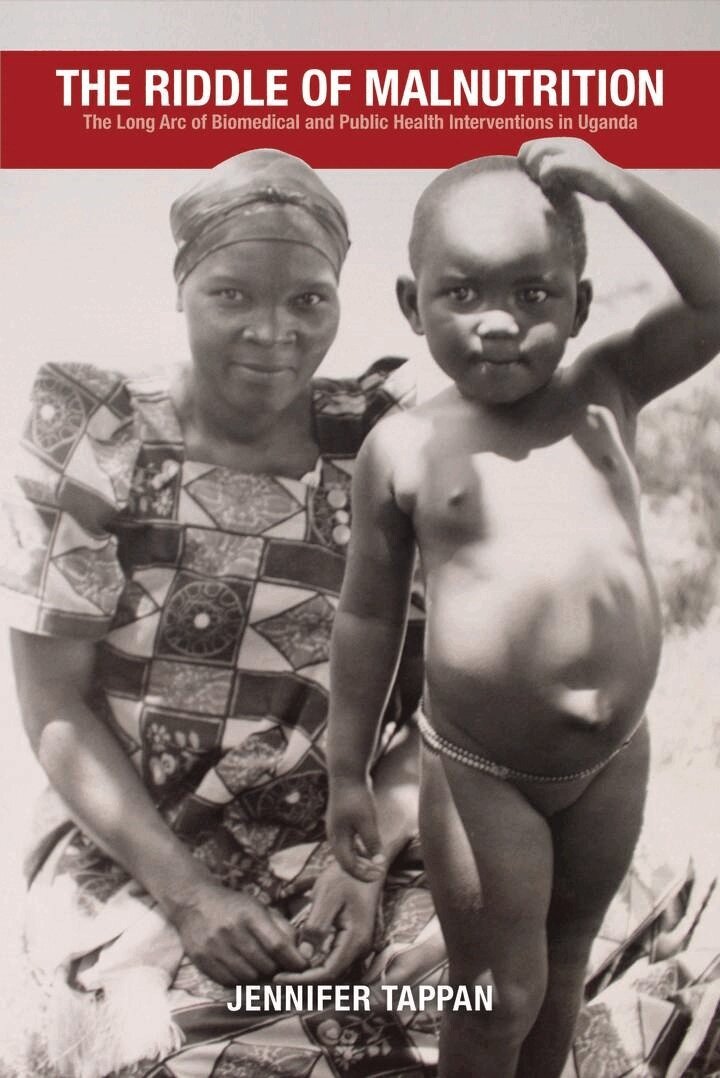
Riddle of Malnutrition
The Long Arc of Biomedical and Public Health Interventions in Uganda
Inbunden, Engelska, 2017
900 kr
Skickas inom 10-15 vardagar
More than ten million children suffer from severe acute malnutrition globally each year. In Uganda, longstanding efforts to understand, treat, and then prevent the condition initially served to medicalize it, in the eyes of both biomedical personnel and Ugandans who brought their children to the hospital for treatment and care. Medicalization meant malnutrition came to be seen as a disease—as a medical emergency—not a preventable condition, further compromising nutritional health in Uganda.Rather than rely on a foreign-led model, physicians in Uganda responded to this failure by developing a novel public health program known as Mwanamugimu. The new approach prioritized local expertise and empowering Ugandan women, blending biomedical knowledge with African sensibilities and cultural competencies.In The Riddle of Malnutrition, Jennifer Tappan examines how over the course of half a century Mwanamugimu tackled the most fatal form of childhood malnutrition—kwashiorkor—and promoted nutritional health in the midst of postcolonial violence, political upheaval, and neoliberal resource constraints. She draws on a diverse array of sources to illuminate the interplay between colonialism, the production of scientific knowledge, and the delivery of health services in contemporary Africa.
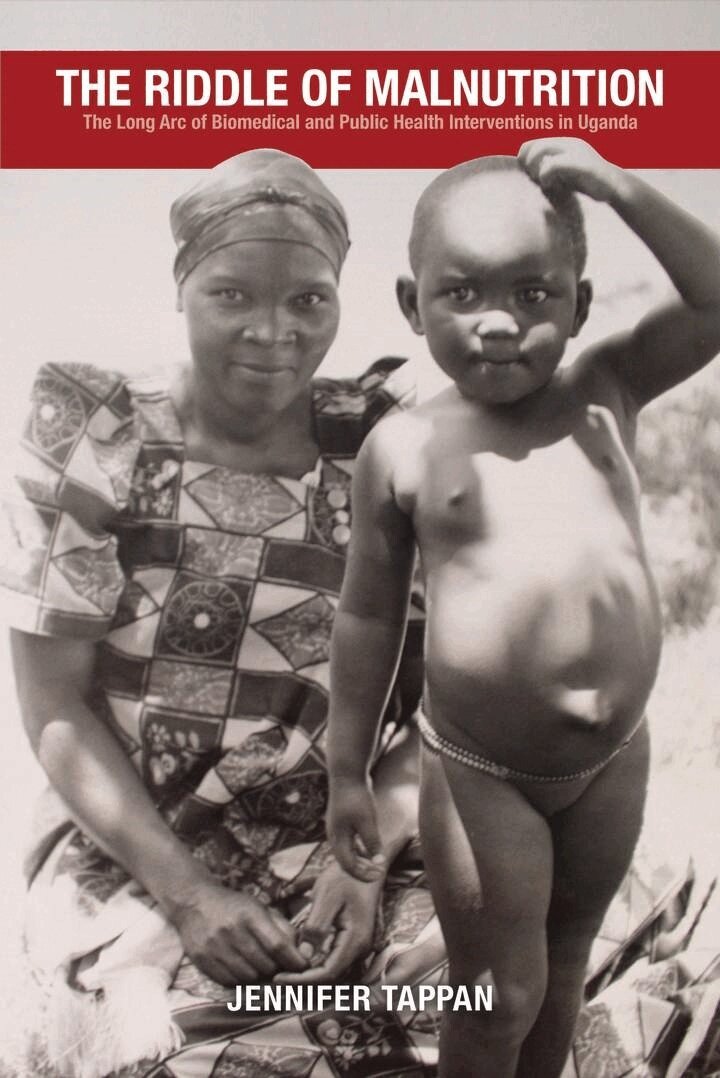
Riddle of Malnutrition
The Long Arc of Biomedical and Public Health Interventions in Uganda
Häftad, Engelska, 2017
378 kr
Skickas inom 10-15 vardagar
More than ten million children suffer from severe acute malnutrition globally each year. In Uganda, longstanding efforts to understand, treat, and then prevent the condition initially served to medicalize it, in the eyes of both biomedical personnel and Ugandans who brought their children to the hospital for treatment and care. Medicalization meant malnutrition came to be seen as a disease—as a medical emergency—not a preventable condition, further compromising nutritional health in Uganda.Rather than rely on a foreign-led model, physicians in Uganda responded to this failure by developing a novel public health program known as Mwanamugimu. The new approach prioritized local expertise and empowering Ugandan women, blending biomedical knowledge with African sensibilities and cultural competencies.In The Riddle of Malnutrition, Jennifer Tappan examines how over the course of half a century Mwanamugimu tackled the most fatal form of childhood malnutrition—kwashiorkor—and promoted nutritional health in the midst of postcolonial violence, political upheaval, and neoliberal resource constraints. She draws on a diverse array of sources to illuminate the interplay between colonialism, the production of scientific knowledge, and the delivery of health services in contemporary Africa.
684 kr
Kommande
Histories of Global Health in Africa offers a concise and compelling introduction to the development and practice of global health on the African continent over the past century. Rather than centering institutions, the book foregrounds the people whose lives and labor have shaped global health-including African communities receiving care and the practitioners and experts who have long driven biomedical work across the region.Drawing on cutting‑edge scholarship, the book traces the colonial roots of global health and examines how these legacies continue to influence contemporary interventions, from vaccination campaigns and disease eradication efforts to epidemic responses. Its accessible thematic chapters explore key topics, including data collection, demography, ethics, and equity.Designed for classroom use and ideal for nonspecialists, Histories of Global Health in Africa provides a flexible structure and a rich suite of teaching materials, including online multimedia components. It is an essential resource for students and readers seeking to understand how global health has evolved-and why its future depends on confronting its past.