Jenny Rose – författare
Visar alla böcker från författaren Jenny Rose. Handla med fri frakt och snabb leverans.
19 produkter
19 produkter
Inbunden, Engelska, 2026
3 440 kr
Skickas inom 10-15 vardagar
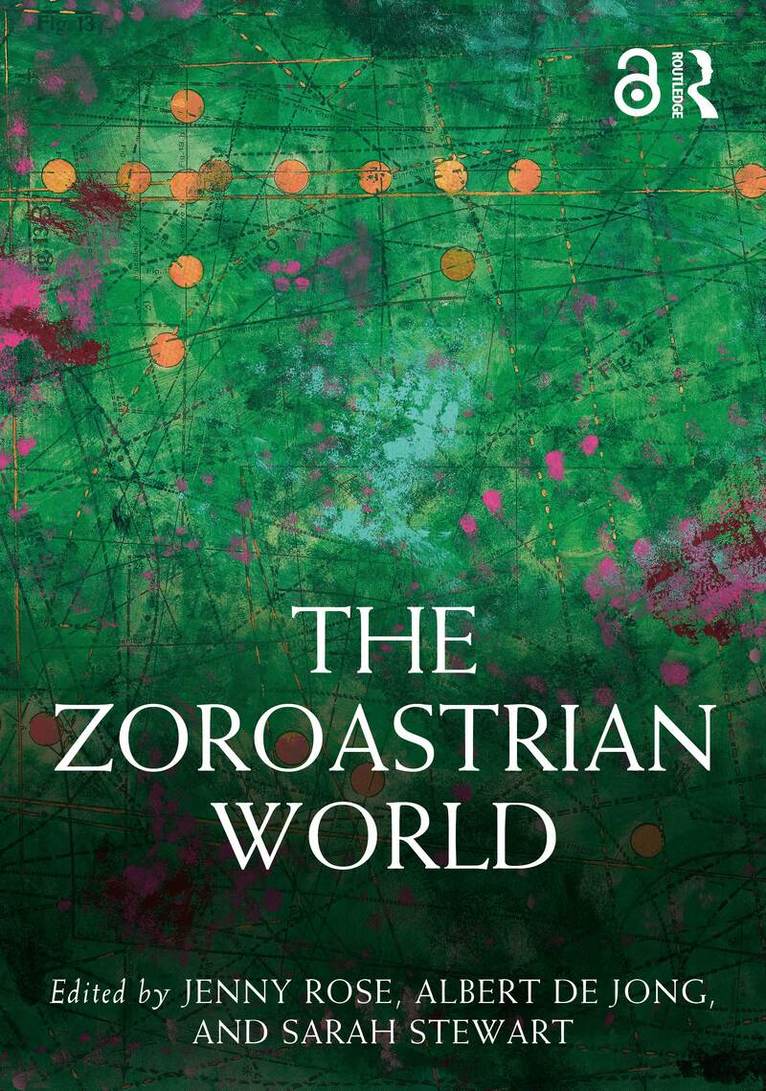
Although Zoroastrians in the contemporary world are numerically few – estimated recently at less than 150,000 across the globe – their ancient Iranian ancestors ruled vast areas of the Near East for over a millennium. From the mid‑sixth century BCE to the mid‑seventh century CE, the historical contribution of the ‘Mazda-worshipping’ religion to the intellectual, cultural, and political development of the region was momentous. The migration of some Zoroastrians to north-western India also had a significant social and economic impact on early modern and modern India. From the mid-seventeenth century until the present, Zoroastrianism has also played an important role in European discourse.Written by a distinguished team of international contributors, including many Zoroastrians, The Zoroastrian World presents a global guide to Zoroastrianism from the earliest period to the modern day, offering original perspectives through substantial thematic contributions on the lived experience of Zoroastrian communities across the world. This volume is organised into five distinct sections:Imagining ZoroastrianismThe Developing Zoroastrian WorldLiving Realities: Zoroastrian Narrative and Symbol in the Modern WorldContemporary Challenges in the Zoroastrian WorldCreative Contributions from the Zoroastrian WorldThe Zoroastrian World provides an authoritative and accessible source of information on topics relating to the Zoroastrian religion, with a particular focus on interdisciplinary connections. The volume is essential reading for students engaged in studies of Religion, Philosophy and Ethics; Ancient and Modern Iran; the Near and Middle East; Central Asia; South Asian Religions; and Cultural History. The Zoroastrian World is intended for all curious readers, who seek to know more about this ancient, enduring religion.The editors are excited to showcase the original artwork 'The Garden of the Universe' by Hormazd Narielwalla as the cover of this book.The Open Access version of this book, available at http://www.taylorfrancis.com, has been made available under a Creative Commons Attribution-Non Commercial-No Derivatives (CC BY-NC-ND) 4.0 license
Häftad, Engelska, 2019
340 kr
Skickas inom 3-6 vardagar
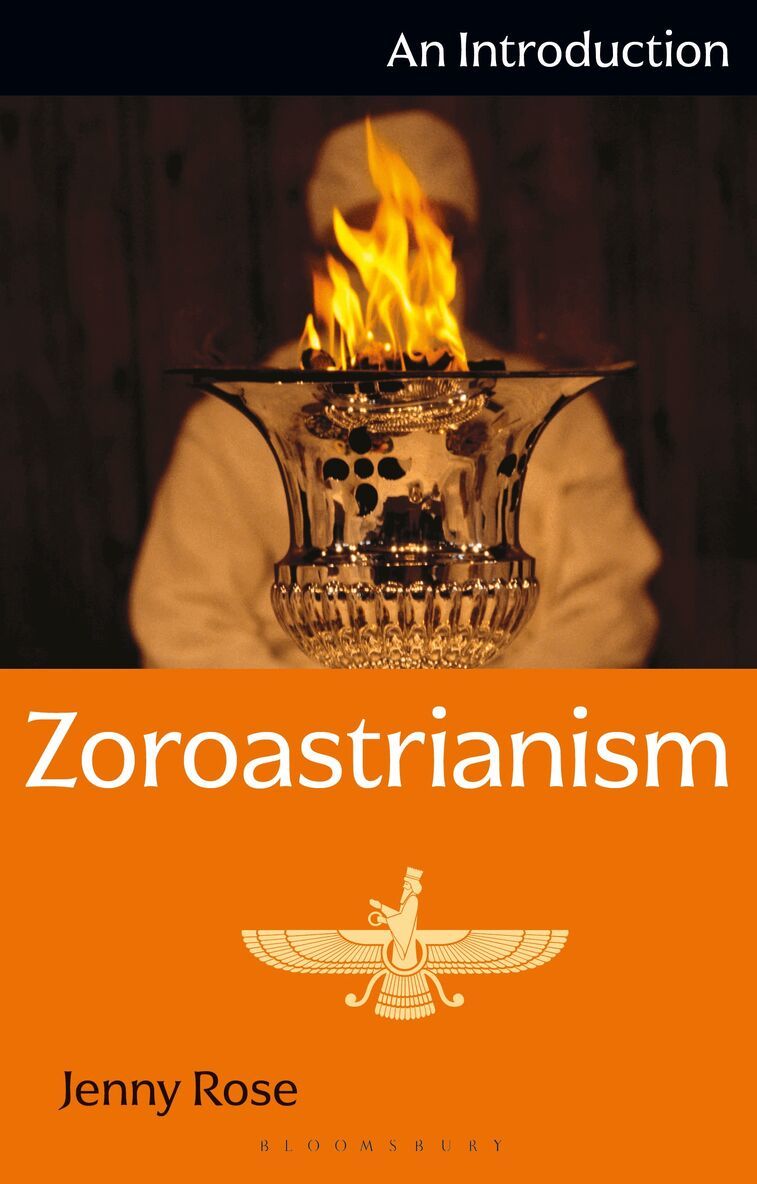
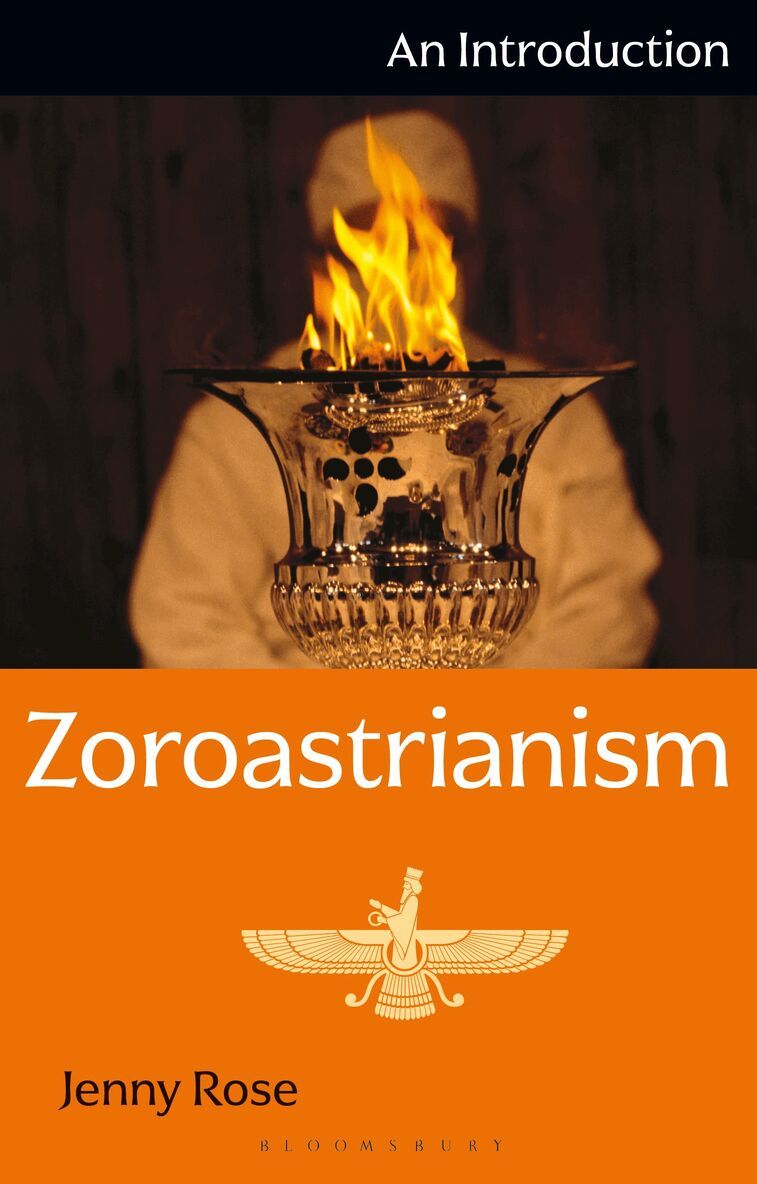
Zoroastrianism is one of the world's great ancient religions. In present-day Iran, significant communities of Zoroastrians (who take their name from the founder of the faith, the remarkable religious reformer Zoroaster) still practise the rituals and teach the moral precepts that once undergirded the officially state-sanctioned faith of the mighty Sasanian empire. Beyond Iran, the Zoroastrian disapora is significant especially in India, where the Gujarati-speaking community of emigrants from post-Sasanian Iran call themselves 'Parsis'. But there are also significant Zoroastrian communities to be found elsewhere, such as in the USA, Britain and Canada, where western cultural contexts have shaped the religion in intriguing ways and directions. This new, thorough and wide-ranging introduction will appeal to anyone interested in discovering more about the faith that bequeathed the contrasting words 'Magi' and 'magic', and whose adherents still live according to the code of 'Good Thoughts, Good Words, Good Deeds.'The central Zoroastrian concept that human beings are continually faced with a choice between the path of 'good' and 'evil', represented by the contrasting figures of Ahura Mazda and Ahriman, inspired thinkers as diverse as Voltaire, Mozart and Nietzsche. Jenny Rose shows why Zoroastrianism remains one of the world's most inspiring and perennially fascinating systems of ethics and belief.
E-bok
Engelska32 kr
Läs direkt efter köp
32 kr
Läs direkt efter köp
E-bok
PDF, Engelska, 2014380 kr
Läs direkt efter köp
Zoroastrianism is one of the world's great ancient religions. In present-day Iran, significant communities of Zoroastrians (who take their name from the founder of the faith, the remarkable religious reformer Zoroaster) still practise the rituals and teach the moral precepts that once undergirded the officially state-sanctioned faith of the mighty Sasanian empire. Beyond Iran, the Zoroastrian disapora is significant especially in India, where the Gujurati-speaking community of exiles from post-Sasanian Iran call themselves 'Parsis'. But there are also significant Zoroastrian communities to be found elsewhere, such as in the USA, Britain and Canada, where western cultural contexts have shaped the religion in intriguing ways and directions. This new, thorough and wide-ranging introduction will appeal to anyone interested in discovering more about the faith that bequeathed the contrasting words 'Magi' and 'magic', and whose adherents still live according to the code of 'Good Thoughts, Good Words, Good Deeds.'The central Zoroastrian concept that human beings are continually faced with a choice between the path of 'good' and 'evil', represented by the contrasting figures of Ahura Mazda and Ahriman, inspired thinkers as diverse as Voltaire, Mozart and Nietzsche. Jenny Rose shows why Zoroastrianism remains one of the world's most inspiring and perennially fascinating systems of ethics and belief.
E-bok
Engelska, 2014380 kr
Läs direkt efter köp
Zoroastrianism is one of the world's great ancient religions. In present-day Iran, significant communities of Zoroastrians (who take their name from the founder of the faith, the remarkable religious reformer Zoroaster) still practise the rituals and teach the moral precepts that once undergirded the officially state-sanctioned faith of the mighty Sasanian empire. Beyond Iran, the Zoroastrian disapora is significant especially in India, where the Gujarati-speaking community of emigrants from post-Sasanian Iran call themselves 'Parsis'. But there are also significant Zoroastrian communities to be found elsewhere, such as in the USA, Britain and Canada, where western cultural contexts have shaped the religion in intriguing ways and directions. This new, thorough and wide-ranging introduction will appeal to anyone interested in discovering more about the faith that bequeathed the contrasting words 'Magi' and 'magic', and whose adherents still live according to the code of 'Good Thoughts, Good Words, Good Deeds.' The central Zoroastrian concept that human beings are continually faced with a choice between the path of 'good' and 'evil', represented by the contrasting figures of Ahura Mazda and Ahriman, inspired thinkers as diverse as Voltaire, Mozart and Nietzsche. Jenny Rose shows why Zoroastrianism remains one of the world's most inspiring and perennially fascinating systems of ethics and belief.'Jenny Rose's lively and engaging account comprises a very readable, well informed survey of Zoroastrianism and its history. The book is a pleasure to read throughout, and the author's writing style is markedly beautiful, placing her very much within Mary Boyce's literary tradition. Rose has read widely round the subject, engaging with important primary and secondary sources and rendering her thorough treatment of Zoroastrianism fully up-to-date. I particularly welcomed her valuable discussion of Zoroastrianism in Central Asia. All in all, the book is a fine example of considered synthesis and compression. This is a book one wants to read from beginning to end without putting it down. It will find a warm welcome from students of the subject and their teachers.'- Almut Hintze, Zartoshty Professor of Zoroastrianism, SOAS, University of London
Häftad, Engelska, 2011
365 kr
Skickas inom 10-15 vardagar
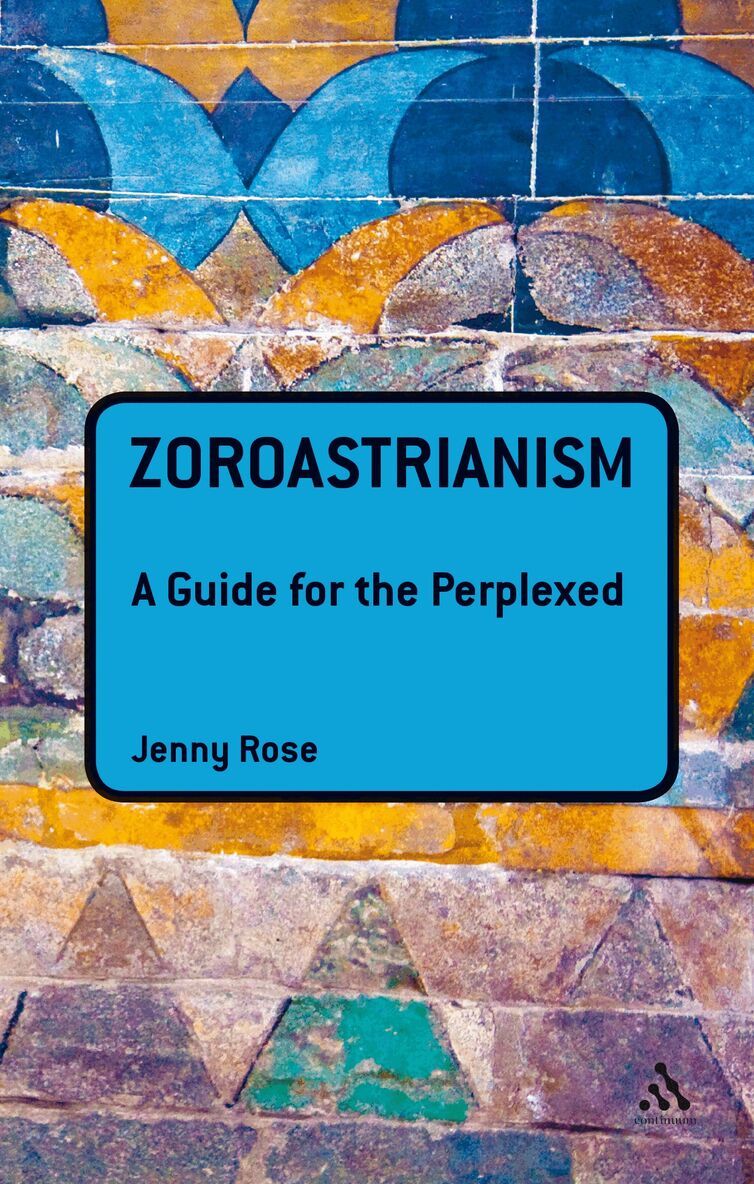
This is an insightful guide to the history, development and beliefs of this ancient religion, and its continuation as a lived religion today. The history of the development of Zoroastrianism spans over 3000 years, beginning in prehistory as an oral tradition, with roots in a common Indo-Iranian mythology. It then became established as part of an imperial Iranian ideology within an Ancient Near Eastern setting, and eventually emerged in variant forms in Iran, Central Asia and India in late antiquity. Zoroastrianism continues as a living faith for an estimated 150,000 adherents in the world today. Most Zoroastrians, if asked the question, 'In a nutshell, what do Zoroastrians believe?' would begin their answer with 'Good Thoughts, Good Words, Good Deeds'. "Zoroastrianism: A Guide for the Perplexed" takes this foundational trifold ethic to form the framework for discussing the ideological complexities and ethical underpinning of the religion; the current discussion concerning text and 'author'; and the practical outworking and historical impact of the religion."Continuum's Guides for the Perplexed" are clear, concise and accessible introductions to thinkers, writers and subjects that students and readers can find especially challenging - or indeed downright bewildering. Concentrating specifically on what it is that makes the subject difficult to grasp, these books explain and explore key themes and ideas, guiding the reader towards a thorough understanding of demanding material.
E-bok
PDF, Engelska, 2011380 kr
Läs direkt efter köp
The significance of the Zoroastrian religion in the development of the history of thought is often only mentioned in passing, or is completely overlooked. Zoroastrianism has developed over a span of at least three thousand years, with roots in a common Indo-Iranian culture and mythology, then becoming part of imperial Iranian ideology within an Ancient Near Eastern setting, and emerging in variant forms in western and central Asia in late antiquity. The religion continues as a living faith for an estimated 130 - 150,000 adherents in the world.Most Zoroastrians if asked, 'In a nutshell, what do Zoroastrians believe?' would begin their answer with the moral maxim: 'Good Thoughts, Good Words, Good Deeds.' Zoroastrianism: A Guide for the Perplexed takes this foundational trifold ethic as the framework for its three main chapters. The book presents a comprehensive study of the religion through its focus on the questions that perplexed seekers might ask of a Zoroastrian concerning ideology and ethics; current discussions of 'text' and 'author'; and the putting-into-practice of the religion.
E-bok
Engelska, 2011380 kr
Läs direkt efter köp
The significance of the Zoroastrian religion in the development of the history of thought is often only mentioned in passing, or is completely overlooked. Zoroastrianism has developed over a span of at least three thousand years, with roots in a common Indo-Iranian culture and mythology, then becoming part of imperial Iranian ideology within an Ancient Near Eastern setting, and emerging in variant forms in western and central Asia in late antiquity. The religion continues as a living faith for an estimated 130 - 150,000 adherents in the world.Most Zoroastrians if asked, ''In a nutshell, what do Zoroastrians believe?'' would begin their answer with the moral maxim: ''Good Thoughts, Good Words, Good Deeds.'' Zoroastrianism: A Guide for the Perplexed takes this foundational trifold ethic as the framework for its three main chapters. The book presents a comprehensive study of the religion through its focus on the questions that perplexed seekers might ask of a Zoroastrian concerning ideology and ethics; current discussions of ''text'' and ''author''; and the putting-into-practice of the religion.
Inbunden, Engelska, 2011
1 386 kr
Skickas inom 10-15 vardagar
This is an insightful guide to the history, development and beliefs of this ancient religion, and its continuation as a lived religion today. The history of the development of Zoroastrianism spans over 3000 years, beginning in prehistory as an oral tradition, with roots in a common Indo-Iranian mythology. It then became established as part of an imperial Iranian ideology within an Ancient Near Eastern setting, and eventually emerged in variant forms in Iran, Central Asia and India in late antiquity. Zoroastrianism continues as a living faith for an estimated 150,000 adherents in the world today. Most Zoroastrians, if asked the question, 'In a nutshell, what do Zoroastrians believe?' would begin their answer with 'Good Thoughts, Good Words, Good Deeds'. "Zoroastrianism: A Guide for the Perplexed" takes this foundational trifold ethic to form the framework for discussing the ideological complexities and ethical underpinning of the religion; the current discussion concerning text and 'author'; and, the practical outworking and historical impact of the religion."Continuum's Guides for the Perplexed" are clear, concise and accessible introductions to thinkers, writers and subjects that students and readers can find especially challenging - or indeed downright bewildering. Concentrating specifically on what it is that makes the subject difficult to grasp, these books explain and explore key themes and ideas, guiding the reader towards a thorough understanding of demanding material.
Inbunden, Engelska, 2020
328 kr
Skickas inom 3-6 vardagar
Häftad, Engelska, 2020
273 kr
Skickas inom 3-6 vardagar
Inbunden, Engelska, 2011
1 593 kr
Skickas inom 10-15 vardagar
Zoroastrianism is one of the world's great ancient religions. In present-day Iran, significant communities of Zoroastrians (who take their name from the founder of the faith, the remarkable religious reformer Zoroaster) still practise the rituals and teach the moral precepts that once undergirded the officially state-sanctioned faith of the mighty Sasanian empire. Beyond Iran, the Zoroastrian disapora is significant especially in India, where the Gujurati-speaking community of exiles from post-Sasanian Iran call themselves 'Parsis'. But there are also significant Zoroastrian communities to be found elsewhere, such as in the USA, Britain and Canada, where western cultural contexts have shaped the religion in intriguing ways and directions. This new, thorough and wide-ranging introduction will appeal to anyone interested in discovering more about the faith that bequeathed the contrasting words 'Magi' and 'magic', and whose adherents still live according to the code of 'Good Thoughts, Good Words, Good Deeds.'The central Zoroastrian concept that human beings are continually faced with a choice between the path of 'good' and 'evil', represented by the contrasting figures of Ahura Mazda and Ahriman, inspired thinkers as diverse as Voltaire, Mozart and Nietzsche. Jenny Rose shows why Zoroastrianism remains one of the world's most inspiring and perennially fascinating systems of ethics and belief.
Inbunden, Engelska, 2012
833 kr
Skickas inom 5-8 vardagar
Häftad, Engelska, 2014
581 kr
Skickas inom 5-8 vardagar
Inbunden, Engelska, 2019
1 012 kr
Skickas inom 10-15 vardagar
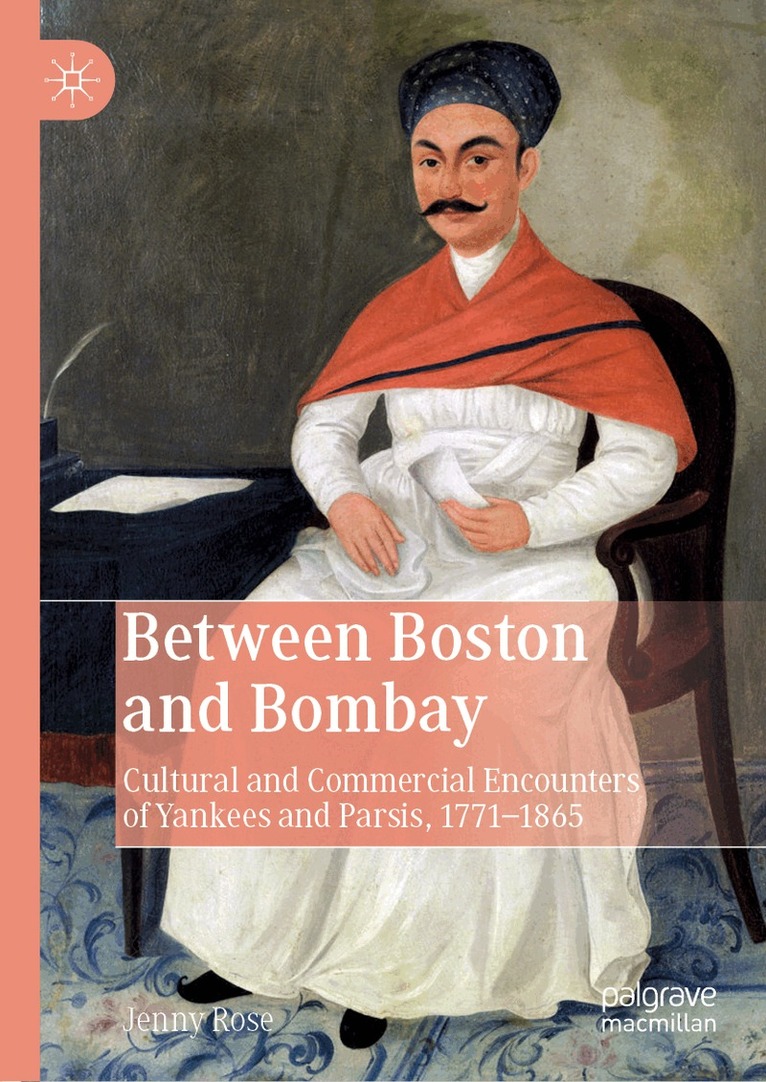
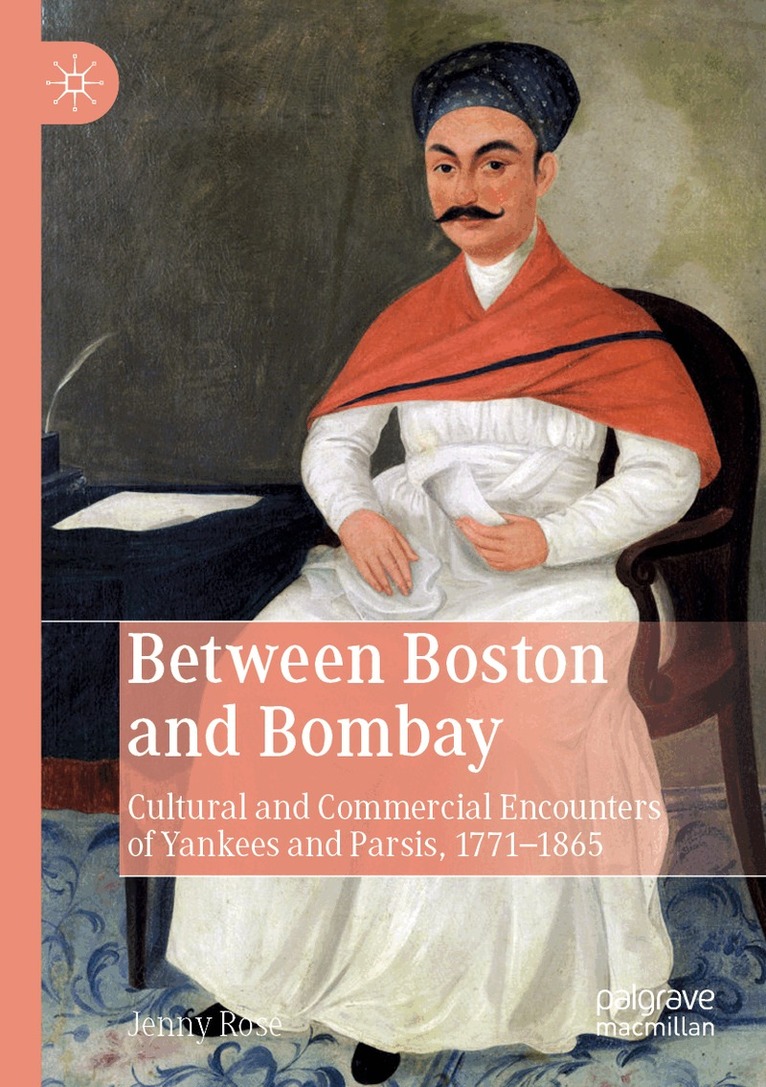
A few years after the American declaration of independence, the first American ships set sail to India. The commercial links that American merchant mariners established with the Parsis of Bombay contributed significantly to the material and intellectual culture of the early Republic in ways that have not been explored until now. This book maps the circulation of goods, capital and ideas between Bombay Parsis and their contemporaries in the northeastern United States, uncovering a surprising range of cultural interaction. Just as goods and gifts from the Zoroastrians of India quickly became an integral part of popular culture along the eastern seaboard of the U.S., so their newly translated religious texts had a considerable impact on American thought. Using a wealth of previously unpublished primary sources, this work presents the narrative of American-Parsi encounters within the broader context of developing global trade and knowledge.
E-bok
Engelska, 20191 250 kr
Läs direkt efter köp
A few years after the American declaration of independence, the first American ships set sail to India. The commercial links that American merchant mariners established with the Parsis of Bombay contributed significantly to the material and intellectual culture of the early Republic in ways that have not been explored until now. This book maps the circulation of goods, capital and ideas between Bombay Parsis and their contemporaries in the northeastern United States, uncovering a surprising range of cultural interaction. Just as goods and gifts from the Zoroastrians of India quickly became an integral part of popular culture along the eastern seaboard of the U.S., so their newly translated religious texts had a considerable impact on American thought. Using a wealth of previously unpublished primary sources, this work presents the narrative of American-Parsi encounters within the broader context of developing global trade and knowledge.
Häftad, Engelska, 2020
1 012 kr
Skickas inom 10-15 vardagar
A few years after the American declaration of independence, the first American ships set sail to India. The commercial links that American merchant mariners established with the Parsis of Bombay contributed significantly to the material and intellectual culture of the early Republic in ways that have not been explored until now. This book maps the circulation of goods, capital and ideas between Bombay Parsis and their contemporaries in the northeastern United States, uncovering a surprising range of cultural interaction. Just as goods and gifts from the Zoroastrians of India quickly became an integral part of popular culture along the eastern seaboard of the U.S., so their newly translated religious texts had a considerable impact on American thought. Using a wealth of previously unpublished primary sources, this work presents the narrative of American-Parsi encounters within the broader context of developing global trade and knowledge.
Häftad, Engelska, 2020
175 kr
Tillfälligt slut