Jeremy C Pope - Böcker
Visar alla böcker från författaren Jeremy C Pope. Handla med fri frakt och snabb leverans.
3 produkter
3 produkter
530 kr
Skickas inom 7-10 vardagar
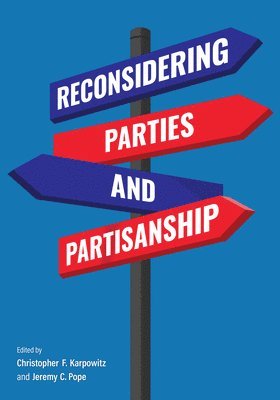
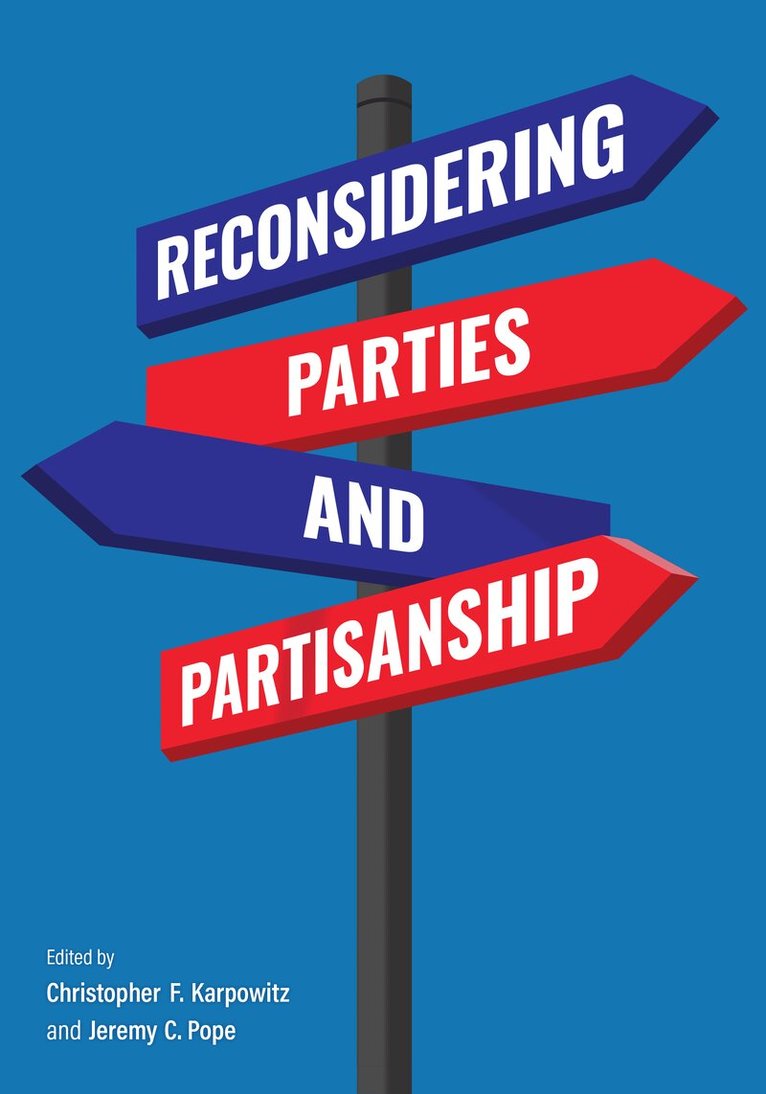
Since partisanship has become a powerful force in the U.S., academic literature is replete with different approaches to this complex, multifaceted topic. Reconsidering Parties and Partisanship brings together prominent scholars working on issues related to parties and partisanship for a collection of essays on how American partisanship is shifting and changing in the 21st century. This volume pushes readers to re-evaluate their understanding of the role of parties and partisanship in contemporary politics and offers a helpful set of analyses and tools for understanding the key features of the partisan environment in which the nation finds itself. The scholars here approach parties from the standpoint of partisan and social identities, polarization, the prevalence of independents (and pseudo-independents), political campaigns, and more. In linking the different faces or levels—party-in-the-electorate, party-in-government, and party-as-an-organization—the chapters provide a wide-ranging set of theories and ideas to consider. Through this exploration, Reconsidering Parties and Partisanship provides a valuable road map for partisanship in our current era. Readers will learnHow conditional party government seems to work in this highly partisan era How donors and pressure groups have taken ownership over campaigns How independents are often undercover partisans, but who also feel repelled by the existing parties—even the one they typically support How various identities converge to produce partisan affection (when that exists) How partisanship relates to ideology.
1 497 kr
Skickas inom 7-10 vardagar
Since partisanship has become a powerful force in the U.S., academic literature is replete with different approaches to this complex, multifaceted topic. Reconsidering Parties and Partisanship brings together prominent scholars working on issues related to parties and partisanship for a collection of essays on how American partisanship is shifting and changing in the 21st century. This volume pushes readers to re-evaluate their understanding of the role of parties and partisanship in contemporary politics and offers a helpful set of analyses and tools for understanding the key features of the partisan environment in which the nation finds itself. The scholars here approach parties from the standpoint of partisan and social identities, polarization, the prevalence of independents (and pseudo-independents), political campaigns, and more. In linking the different faces or levels—party-in-the-electorate, party-in-government, and party-as-an-organization—the chapters provide a wide-ranging set of theories and ideas to consider. Through this exploration, Reconsidering Parties and Partisanship provides a valuable road map for partisanship in our current era. Readers will learnHow conditional party government seems to work in this highly partisan era How donors and pressure groups have taken ownership over campaigns How independents are often undercover partisans, but who also feel repelled by the existing parties—even the one they typically support How various identities converge to produce partisan affection (when that exists) How partisanship relates to ideology.
Founding Factions
How Majorities Shifted and Aligned to Shape the U.S. Constitution
Inbunden, Engelska, 2020
993 kr
Skickas inom 7-10 vardagar
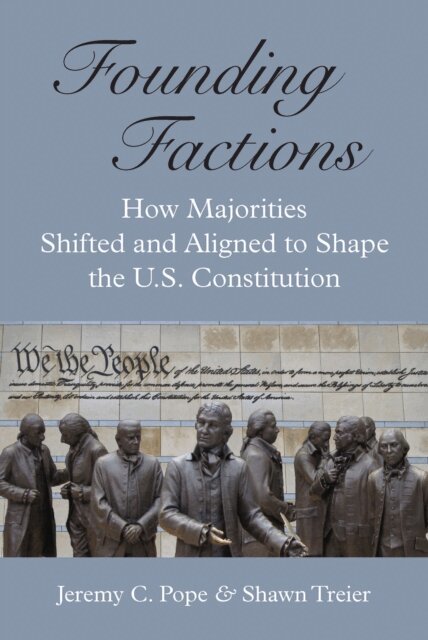
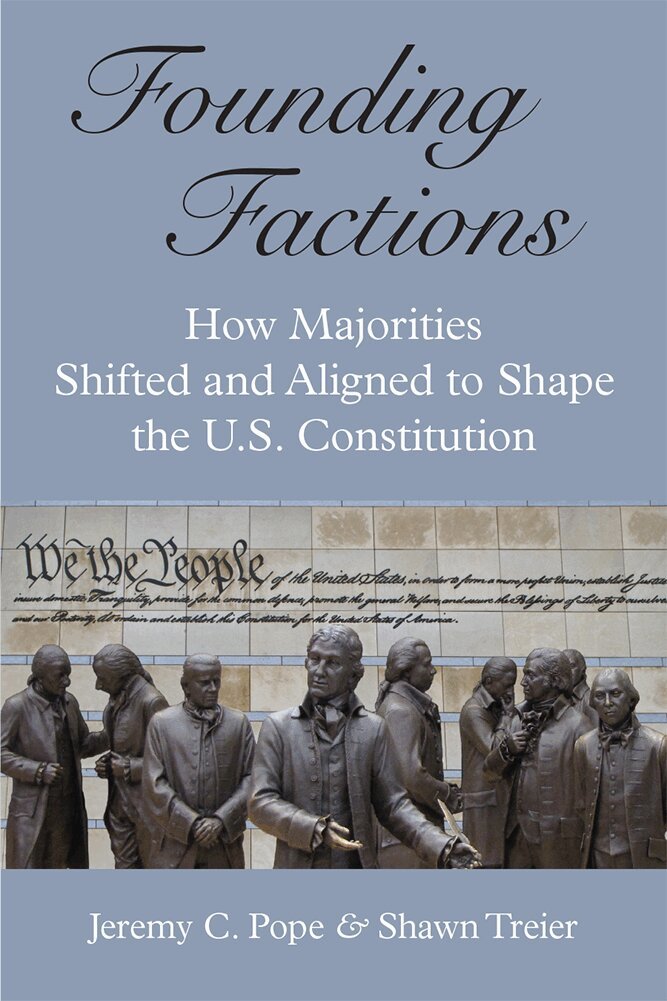
The fundamental importance of the 1787 Constitutional Convention continues to affect contemporary politics. The Constitution defines the structure and limits of the American system of government, and it organizes contemporary debates about policy and legal issues—debates that explicitly invoke the intentions and actions of those delegates to the Convention. Virtually all scholarship emphasizes the importance of compromise between key actors or factions at the Convention. In truth, the deep structure of voting at the Convention remains somewhat murky because the traditional stories are incomplete. There were three key factions at the Convention, not two. The alliance of the core reformers with the slave interests helped change representation and make a stronger national government. When it came time to create a strong executive, a group of small state delegates provided the crucial votes. Traditional accounts gloss over the complicated coalition politics that produced these important compromises, while this book shows the specific voting alignments. It is true that the delegates came with common purposes, but they were divided by both interests and ideas into three crosscutting factions. There was no persistent dominant coalition of reformers or nationalists; rather, there was a series of minority factions allying with one another on the major issues to fashion the compromise. Founding Factions helps us understand the nature of shifting majorities and how they created the American government.