Jeremy Kirby – författare
Visar alla böcker från författaren Jeremy Kirby. Handla med fri frakt och snabb leverans.
10 produkter
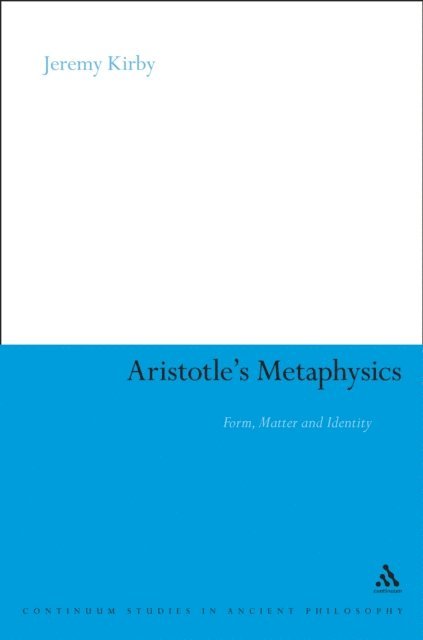
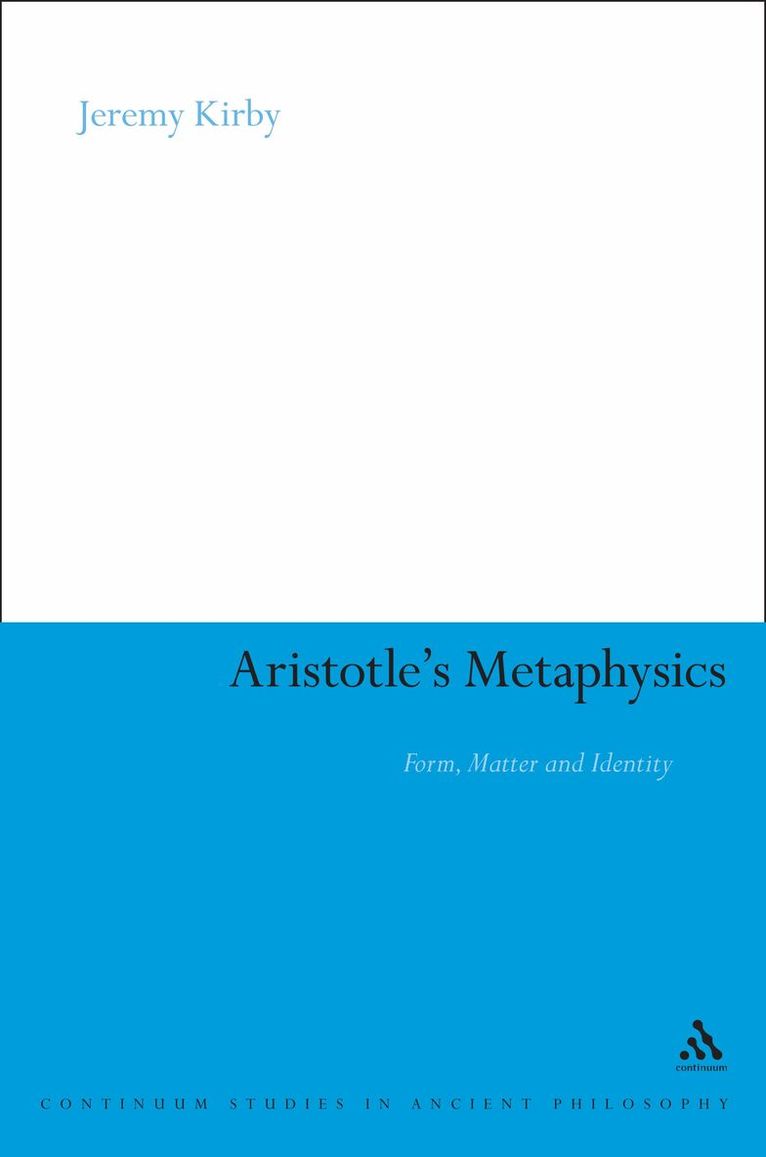
Aristotle's Metaphysics
Form, Matter and Identity
Av Jeremy Kirby
E-bok, 2011
595 kr
Lägg i varukorg
Aristotle maintains that biological organisms are compounds of matter and form and that compounds that have the same form are individuated by their matter. According to Aristotle, an object that undergoes change is an object that undergoes a change in form, i.e. form is imposed upon something …
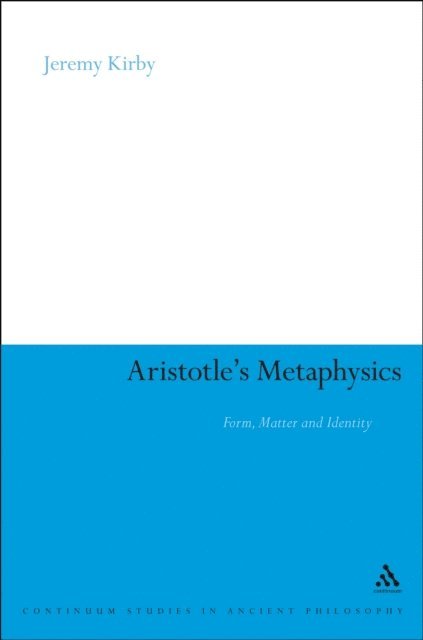
Aristotle's Metaphysics
Form, Matter and Identity
Av Jeremy Kirby
E-bok, 2008
589 kr
Lägg i varukorg
Aristotle maintains that biological organisms are compounds of matter and form and that compounds that have the same form are individuated by their matter. According to Aristotle, an object that undergoes change is an object that undergoes a change in form, i.e. form is imposed upon something …
Aristotle's Metaphysics
Form, Matter and Identity
Av Jeremy Kirby
Häftad, 2011
559 kr
Lägg i varukorg
Aristotle maintains that biological organisms are compounds of matter and form and that compounds that have the same form are individuated by their matter. According to Aristotle, an object that undergoes change is an object that undergoes a change in form, i.e. form is imposed upon something …
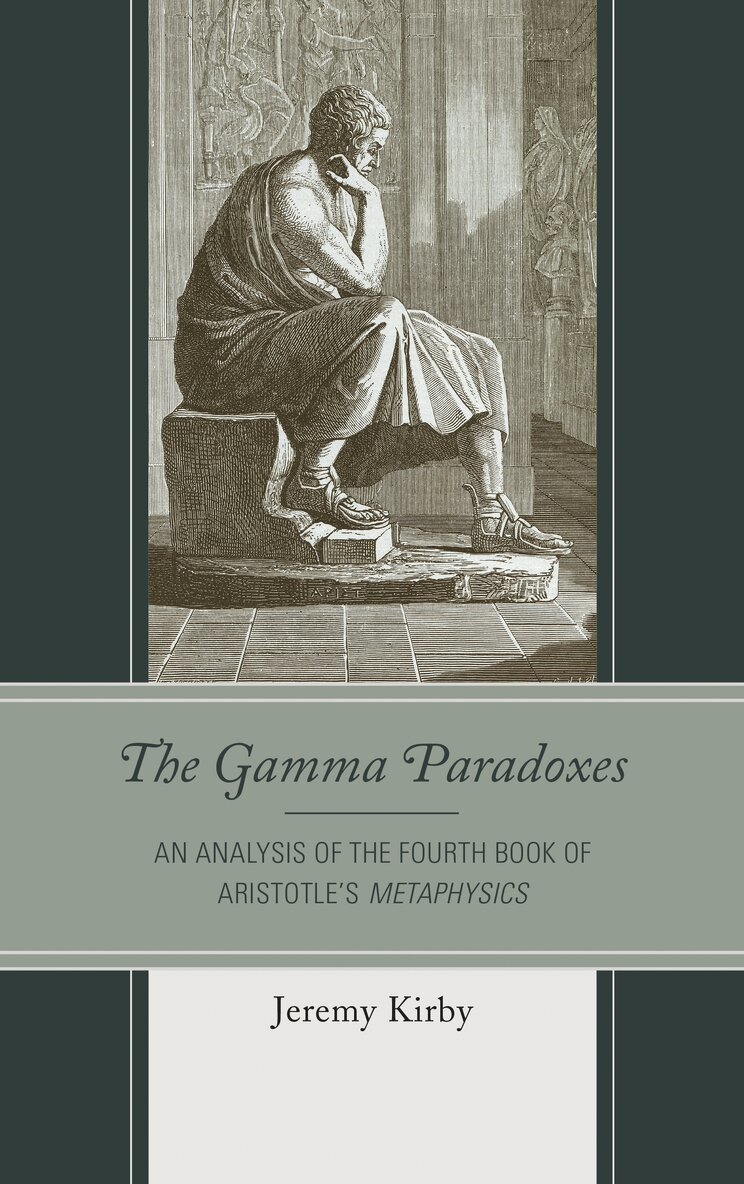
Gamma Paradoxes
An Analysis of the Fourth Book of Aristotle’s Metaphysics
Av Jeremy Kirby
Inbunden, 2018
1211 kr
Lägg i varukorg
In this book, Jeremy Kirby analyzes Book Gamma of Aristotle's Metaphysics and introduces the debates (or paradoxes as he refers to them) such as relativism versus the idea of a ready-made world, the possibility of true contradictions, the nature and possibility of metaphysics, the limits of …
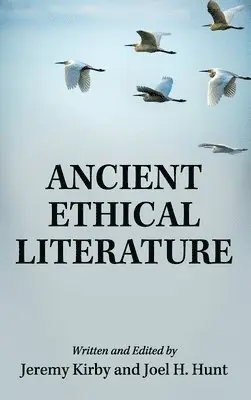
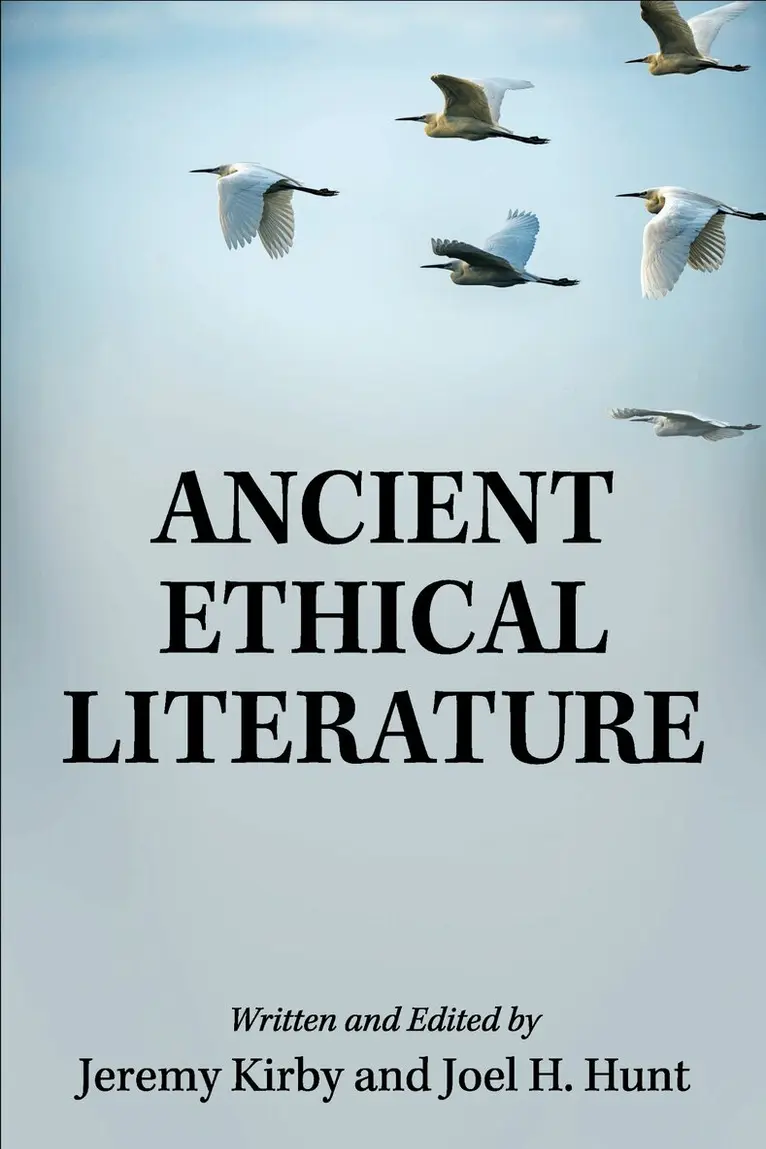
Ancient Ethical Literature
Av Jeremy Kirby, Joel H. Hunt m. fl.
Häftad, 2021
630 kr
Lägg i varukorg
Ancient Ethical Literature provides students with a collection of translated ancient texts from cultural, religious, and philosophical sources to help readers better understand how various societies have formed their codes of ethics.Part I of the text focuses on ancient Near Eastern literature. It …
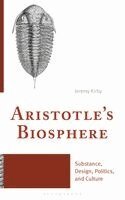
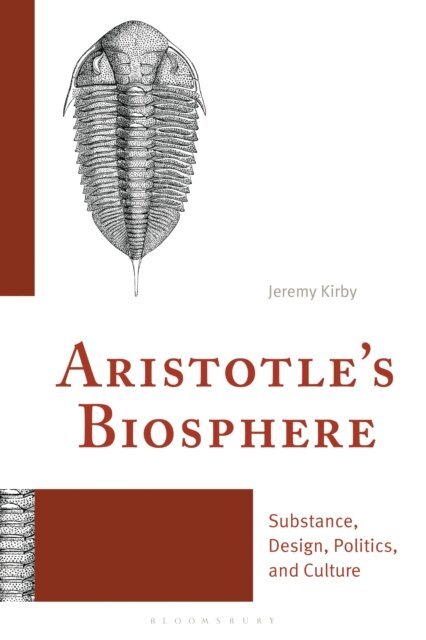
Aristotle's Biosphere
Substance, Design, Politics, and Culture
Av Jeremy Kirby
Inbunden, 2026
1211 kr
Lägg i varukorg
Aristotle displays a keen interest in life and living beings, but he doesn’t separate the biological from the artificial, and he describes organisms as skillfully constructed phenomena that extend beyond their individual bodies. The questions that proliferate around our ideas of the living and the …
Aristotle's Metaphysics
Form, Matter and Identity
Av Jeremy Kirby
Inbunden, 2008
2274 kr
Lägg i varukorg
Aristotle maintains that biological organisms are compounds of matter and form and that compounds that have the same form are individuated by their matter. According to Aristotle, an object that undergoes change is an object that undergoes a change in form, i.e. form is imposed upon something …
Aristotle's Biosphere
Substance, Design, Politics, and Culture
Av Jeremy Kirby
E-bok, 2026
1325 kr
Lägg i varukorg
Aristotle displays a keen interest in life and living beings, but he doesn't separate the biological from the artificial, and he describes organisms as skillfully constructed phenomena that extend beyond their individual bodies. The questions that proliferate around our ideas of the living and the …