Jeremy Land – författare
Visar alla böcker från författaren Jeremy Land. Handla med fri frakt och snabb leverans.
5 produkter
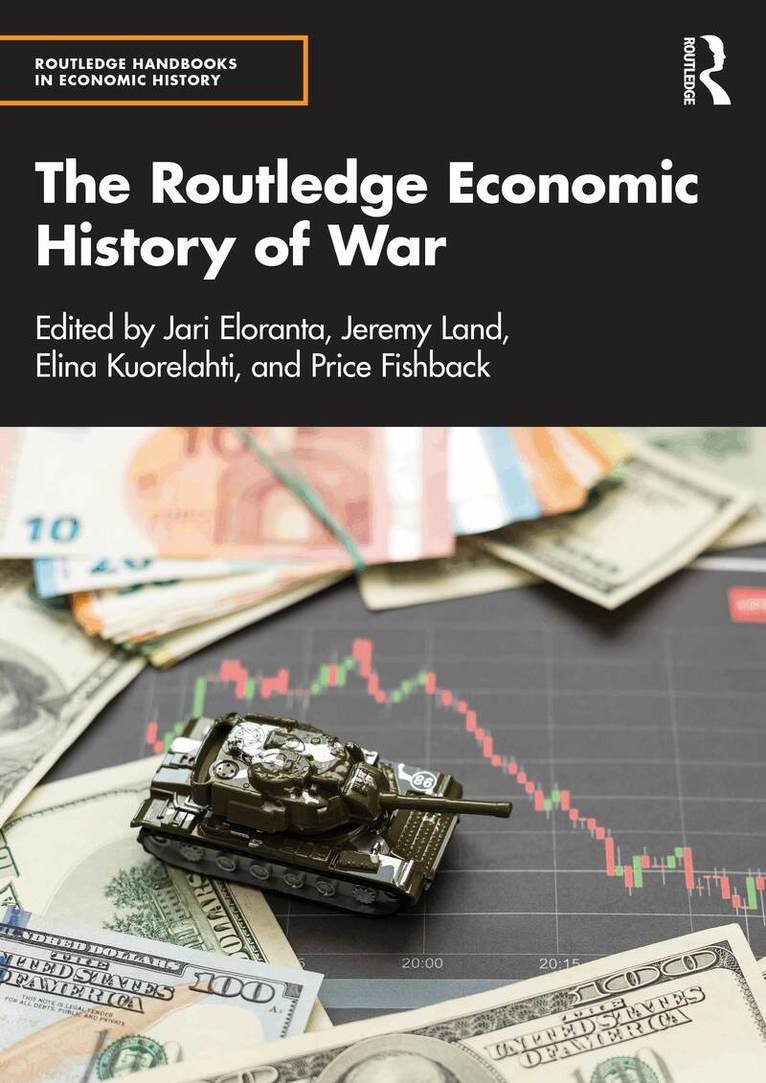
Routledge Economic History of War
Av Jari Eloranta, Jeremy Land m. fl.
Häftad, 2026
798 kr
Lägg i varukorg
The Routledge Economic History of War presents a broad overview of the latest research on the long‑lasting changes and effects that collapsing security in international relations has had on the world’s economies and societies.Arranged around five key themes – Fiscal and Military Capacity, Military …
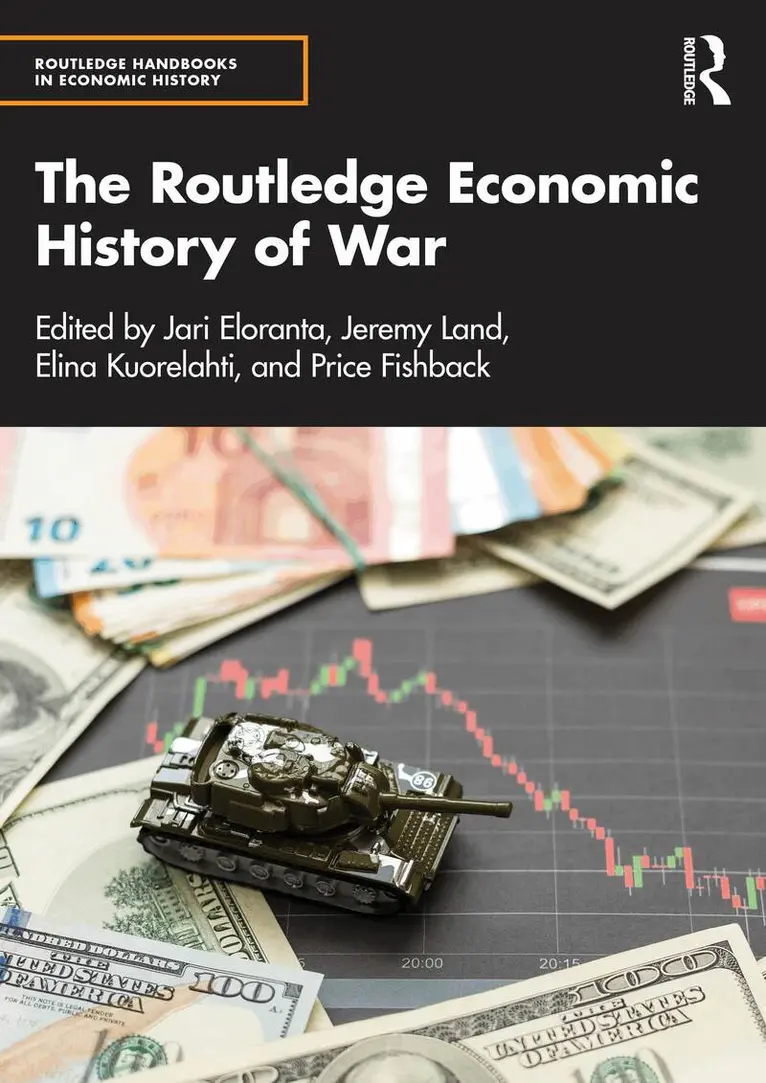
Routledge Economic History of War
Av Jari Eloranta, Jeremy Land m. fl.
Inbunden, 2025
3815 kr
Lägg i varukorg
The Routledge Economic History of War presents a broad overview of the latest research on the long‑lasting changes and effects that collapsing security in international relations has had on the world’s economies and societies.Arranged around five key themes – Fiscal and Military Capacity, Military …
Routledge Economic History of War
Av Price Fishback, Elina Kuorelahti m. fl.
E-bok, 2025
981 kr
Lägg i varukorg
The Routledge Economic History of War presents a broad overview of the latest research on the long‑lasting changes and effects that collapsing security in international relations has had on the world’s economies and societies. Arranged around five key themes – Fiscal and Military Capacity, Military …
Routledge Economic History of War
Av Price Fishback, Elina Kuorelahti m. fl.
E-bok, 2025
981 kr
Lägg i varukorg
The Routledge Economic History of War presents a broad overview of the latest research on the long‑lasting changes and effects that collapsing security in international relations has had on the world’s economies and societies. Arranged around five key themes – Fiscal and Military Capacity, Military …
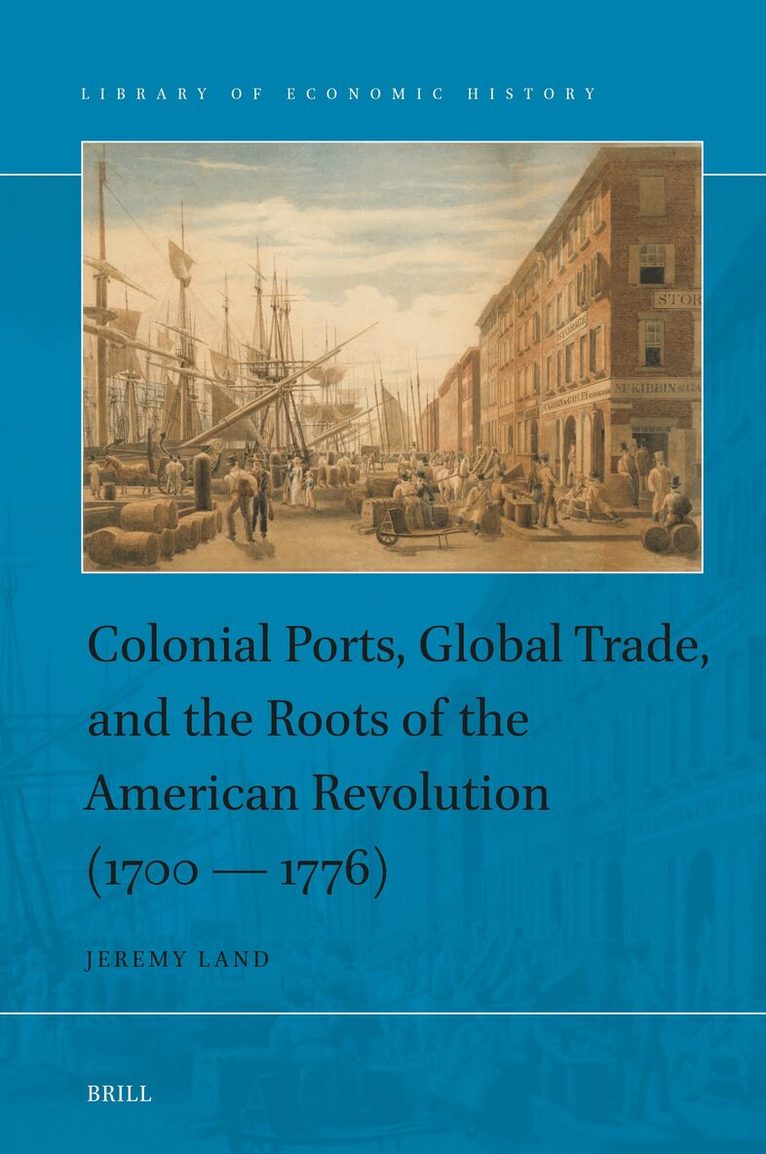
Colonial Ports, Global Trade, and the Roots of the American Revolution (1700–1776)
Av Jeremy Land
Inbunden, 2023
2002 kr
Lägg i varukorg
This title is published in Open Access with the support of the University of Helsinki Library.This book takes a long-run view of the global maritime trade of Boston, New York, and Philadelphia from 1700 to American Independence in 1776. Land argues that the three cities developed large, global …