Jeremy Phillip Brown – författare
Visar alla böcker från författaren Jeremy Phillip Brown. Handla med fri frakt och snabb leverans.
5 produkter
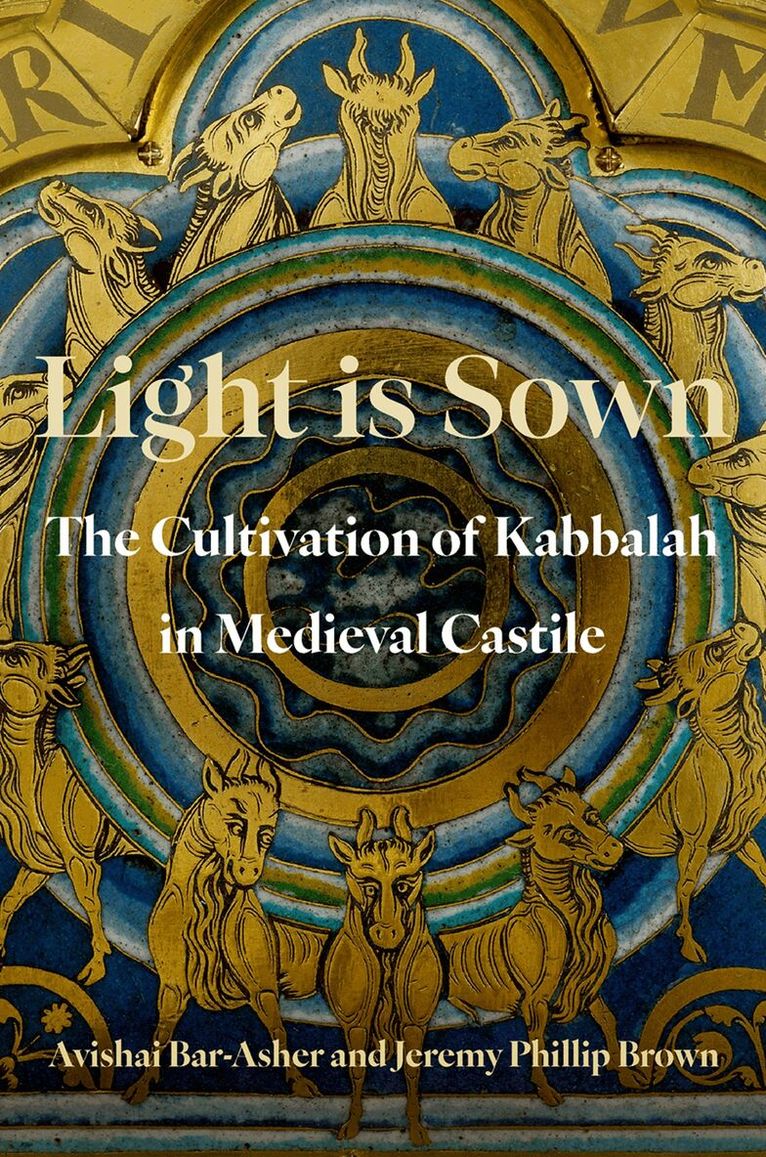
Light is Sown
The Cultivation of Kabbalah in Medieval Castile
Av Avishai Bar-Asher, Jeremy Phillip Brown
Inbunden, 2025
920 kr
Lägg i varukorg
In a pioneering monograph-length study of the theological journey of Moses ben Shemtov de León of Guadalajara--self-proclaimed "Light of the West" and presumed writer of the Zohar, the kabbalah's crowning literary achievement--Avishai Bar-Asher and Jeremy Phillip Brown reach bold new conclusions …
Light is Sown
The Cultivation of Kabbalah in Medieval Castile
Av Jeremy Phillip Brown, Avishai Bar-Asher
E-bok, 2023
957 kr
Lägg i varukorg
In a pioneering monograph-length study of the theological journey of Moses ben Shemtov de León of Guadalajara--self-proclaimed "Light of the West" and presumed writer of the Zohar, the kabbalah''s crowning literary achievement--Avishai Bar-Asher and Jeremy Phillip Brown reach bold new conclusions …
Light is Sown
The Cultivation of Kabbalah in Medieval Castile
Av Jeremy Phillip Brown, Avishai Bar-Asher
E-bok, 2025
869 kr
Lägg i varukorg
In a pioneering monograph-length study of the theological journey of Moses ben Shemtov de León of Guadalajara--self-proclaimed "Light of the West" and presumed writer of the Zohar, the kabbalah''s crowning literary achievement--Avishai Bar-Asher and Jeremy Phillip Brown reach bold new conclusions …
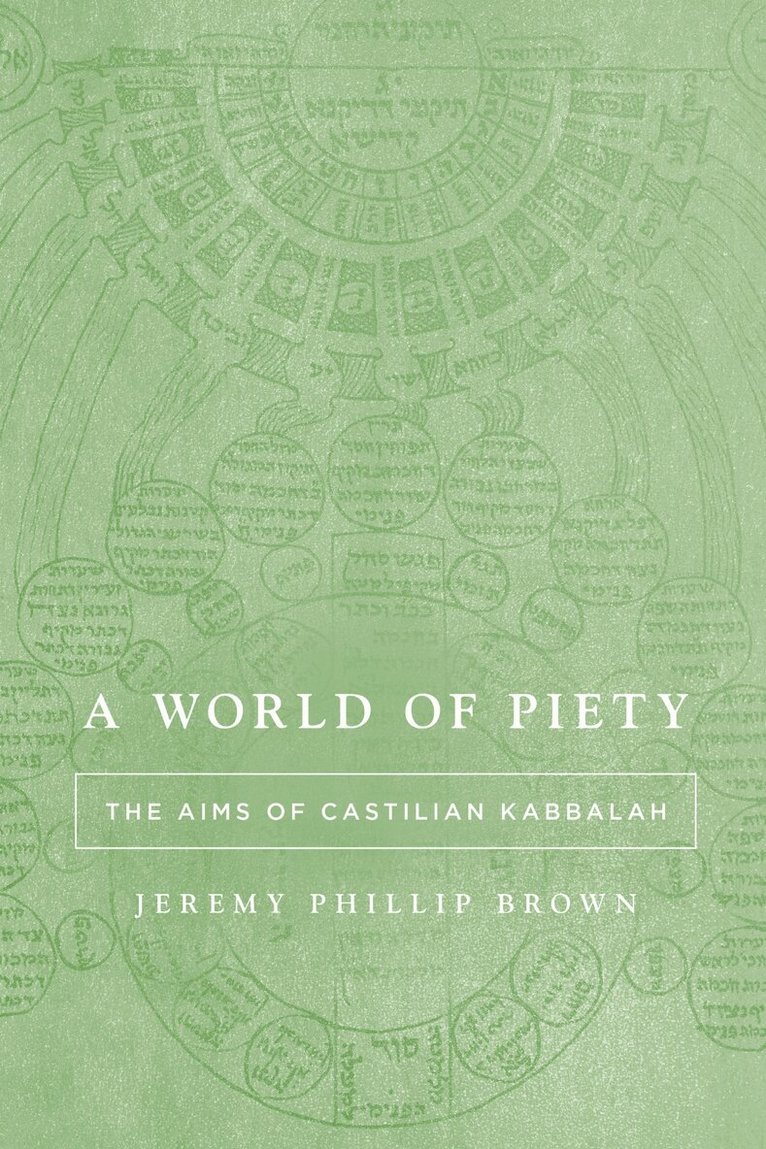
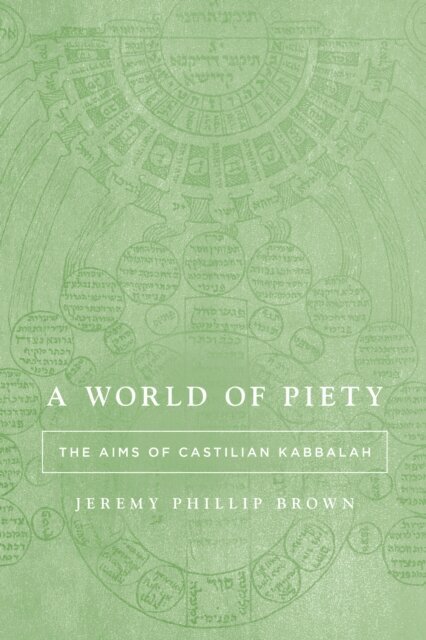
World of Piety
The Aims of Castilian Kabbalah
Inbunden, 2025
849 kr
Lägg i varukorg
A World of Piety examines the historical aspirations of kabbalah to prompt a revival of ancient rabbinic piety in medieval Castile.What were the aims of the celebrated works of rabbinic wisdom fashioned during the reigns of Alfonso X and Sancho IV of Castile, including the formative Book of the …
World of Piety
The Aims of Castilian Kabbalah
E-bok, 2025
949 kr
Lägg i varukorg
A World of Piety examines the historical aspirations of kabbalah to prompt a revival of ancient rabbinic piety in medieval Castile.What were the aims of the celebrated works of rabbinic wisdom fashioned during the reigns of Alfonso X and Sancho IV of Castile, including the formative Book of the …