Jeremy Warren - Böcker
Visar alla böcker från författaren Jeremy Warren. Handla med fri frakt och snabb leverans.
4 produkter
4 produkter
318 kr
Tillfälligt slut
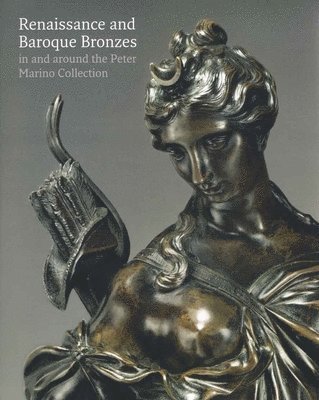
The outstanding collection of European bronze sculptures formed by acclaimed architect Peter Marino, which focuses especially on French and Italian bronzes of the High Baroque, includes masterpieces by some of the greatest sculptors of their age, among them Ferdinando Tacca, Giovanni Battista Foggini, Robert Le Lorrain and Corneille van Clève. This volume of contributions to the symposium held in June 2010 testifying to the importance of the Marino Collection includes nine essays by distinguished scholars of sculpture. Charles Avery, author of major monographs on Giambologna and Bernini, discusses the impetus behind one of the most exciting models in the Marino Collection, a Hercules and Anteaus, after Maderno. Geneviève Bresc-Bautier, Director of the Louvre Sculpture Department, examines the discovery of a large number of small pieces of terracotta sculpture, thought to be from the workshop of Andrés-Charles Boulle, which was destroyed in 1720. Anthea Brook, who has published extensively on Ferdinando Tacca, considers the attribution of a pair of small Florentine bronze hunting gropus in the Marino Collection, making the case for Damiano Cappelli – a bronze-casting specialist in the workshop of Tacca – to be considered as a sculptor capable of creating his own designs. Rosario Coppel investigates the impressive collection of small bronzes of the 3rd Duke of Alcalá (1583–1637), who was Philips IV’s extraordinary ambassador to Pope Urban VIII and later Viceroy and Captain General in Naples. Philippe Malgouyres, Curator of Bronzes, Ivories and Metals at the Louvre, discusses the bronze casts after Bernini sculpture, a little-studied subject in the wide field of Bernini studies. Jennifer Montagu, Senior Fellow of the Warburg Institute, attempts to put together and define the oeuvre of the unknown sculptor of the magnificient 15-figure group ofbronze hunters, their hounds and a bull, in the Suermondt Ludwig Museum in Aachen. Independent scholar Regina Seelig Teuwen extols Guillaume Berthelot as a sculptor of small bronzes, while Jeremy Warren, Collections and Academic Director at the Wallace Collection, discusses the challenges of cataloguing the Peter Marino Collection for the critically acclaimed 2010 exhibition.
4 733 kr
Skickas inom 11-20 vardagar
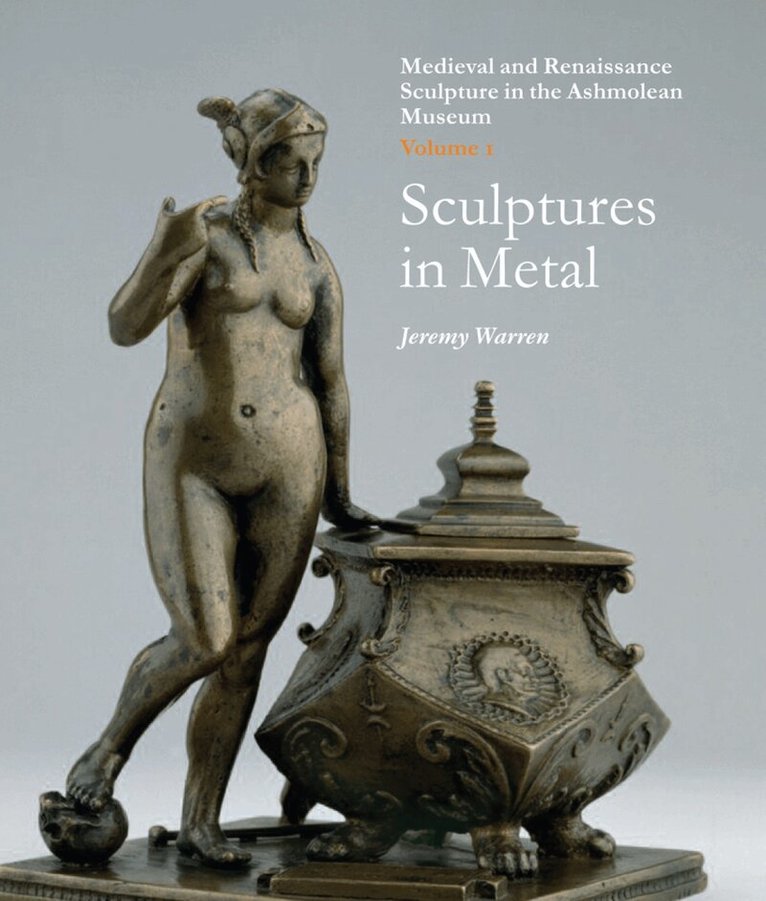
The review of this book in Apollo Magazine speaks for itself: it describes it as 'essential' and 'hard to put down', declaring that 'the reader will be given an education in how to look at and write about works of art'. The Ashmolean's collection of European sculpture is among the finest of its kind in the world. The collection accumulated over four centuries, from the dawn of English Art Collecting through to the Victorian period, which saw the arrival of one of the world's great collections of Renaissance bronzes and other sculpture assembled by the scholar-connoisseur C.D.E. Fortnum, as well as further gifts and occassional purchases leading up to the present day. The catalogue covers the Ashmolean's collection dating from 1200 to around 1540. From Romanesque bronzes and Gothic ivories to High Renaissance sculpture, this three-volume set is a meticulous and comprehensive record of over 500 pieces, each one fully illustrated.
247 kr
Skickas
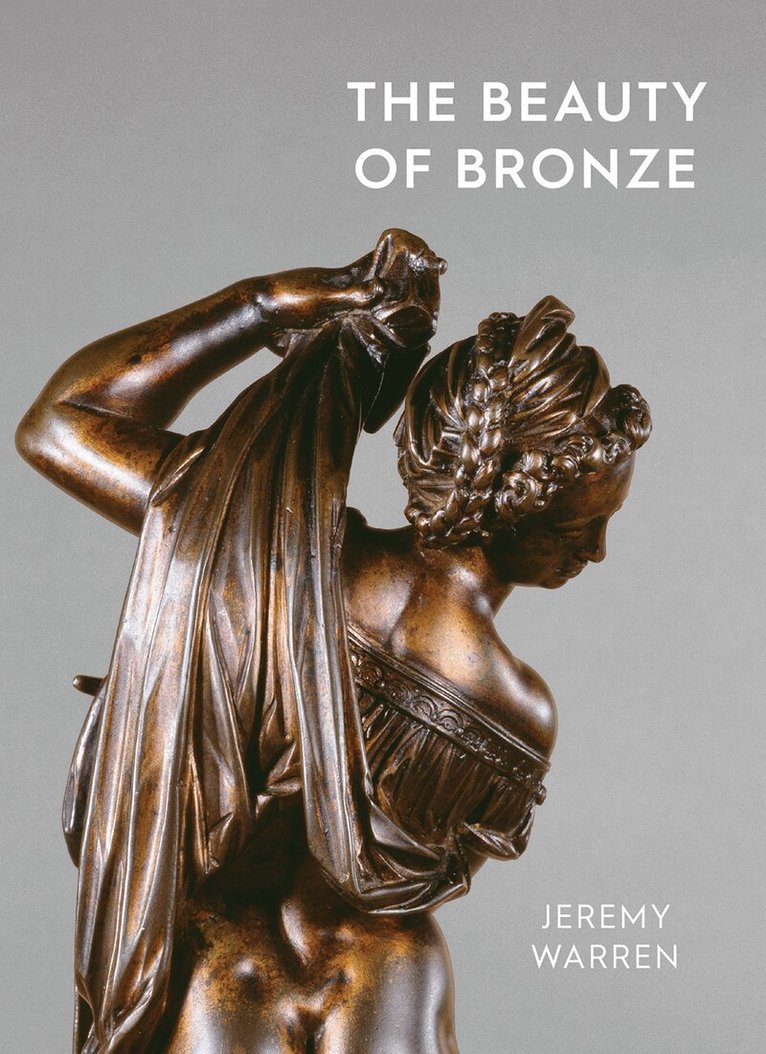
This book looks at bronze through the remarkable collections of European bronze sculptures in the Ashmolean Museum of the University of Oxford. Largely thanks to the generosity of Charles Drury Edward Fortnum (1820–1899), the Ashmolean houses one of the world’s great collections of Renaissance and Baroque small bronzes.The book provides a survey of the collection and an overview of the development of small bronze sculpture during a period of six centuries running from c.1200 to around 1800, although most of the works illustrated here were made within the shorter time frame of c.1450–1650. Any such survey is inevitably shaped by the strengths of the collection, which is conditioned by Fortnum’s taste, notwithstanding later acquisitions that have broadened its scope. He especially loved earlier Italian bronzes and so-called utensils — objects such as inkstands, candlesticks, salt-cellars, mirrors and seals — that are functional as well as beautiful. Fortnum was less interested in sculpture from the later 1500s onwards although, as this selection shows, he acquired some very interesting bronzes from the 17th and 18th centuries that deserve to be better known.