
Jerome S. Handler – författare
Visar alla böcker från författaren Jerome S. Handler. Handla med fri frakt och snabb leverans.
3 produkter
3 produkter
879 kr
Tillfälligt slut
299 kr
Skickas inom 10-15 vardagar
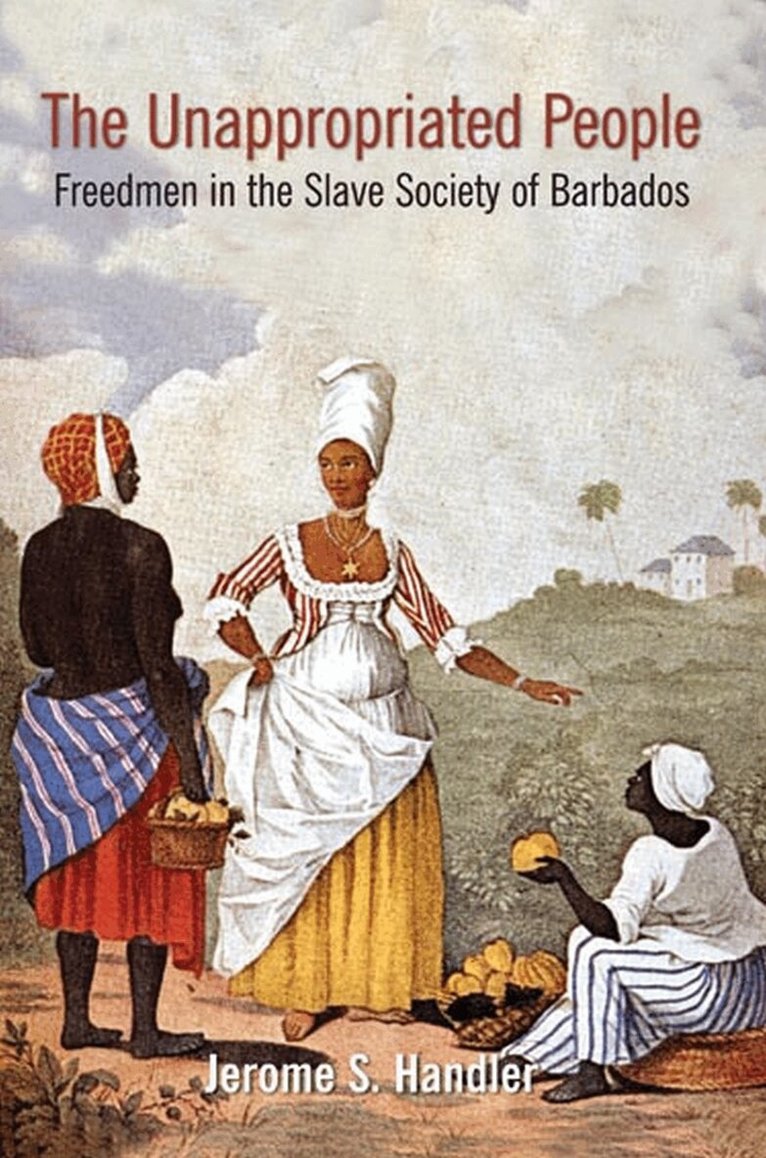
This classic examination of the freedmen in the slave society of Barbados was first published in 1974 and has not been widely available for years. Reissued now with a new introduction by Melanie Newton that places the work in the context of the historiography of studies of Caribbean free-colored populations, this classic is now available to a new generation of scholars and students. The work remains the only treatment of the free people of color of Barbados from the earliest periods of the slave society to emancipation in 1834 and provides the most detailed discussion of the manumission process for any British West Indian society. Allowed certain rights and privileges not extended to slaves but denied others reserved for whites, the social status of the free people was ambiguous. Thus there was wide latitude for varying interpretations of what their position should be, but Handler shows how the freedmen's struggle for civil rights was a collective effort to maximize their free status and to avoid a position of permanent intermediacy between white and enslaved.Using the petitions and addresses written by the freedmen themselves, Handler contends that they neither challenged the notion of a class society nor attempted to deny the upper stratum those privileges commensurate with its rank. They argued that a hierarchically organized society should be based on that set of social and economic criteria that whites used in drawing distinctions among themselves. It was evident, however, that as long as the slave society continued to exist, the freedmen of Barbados would remain an 'unappropriated people', neither enslaved nor entirely free.
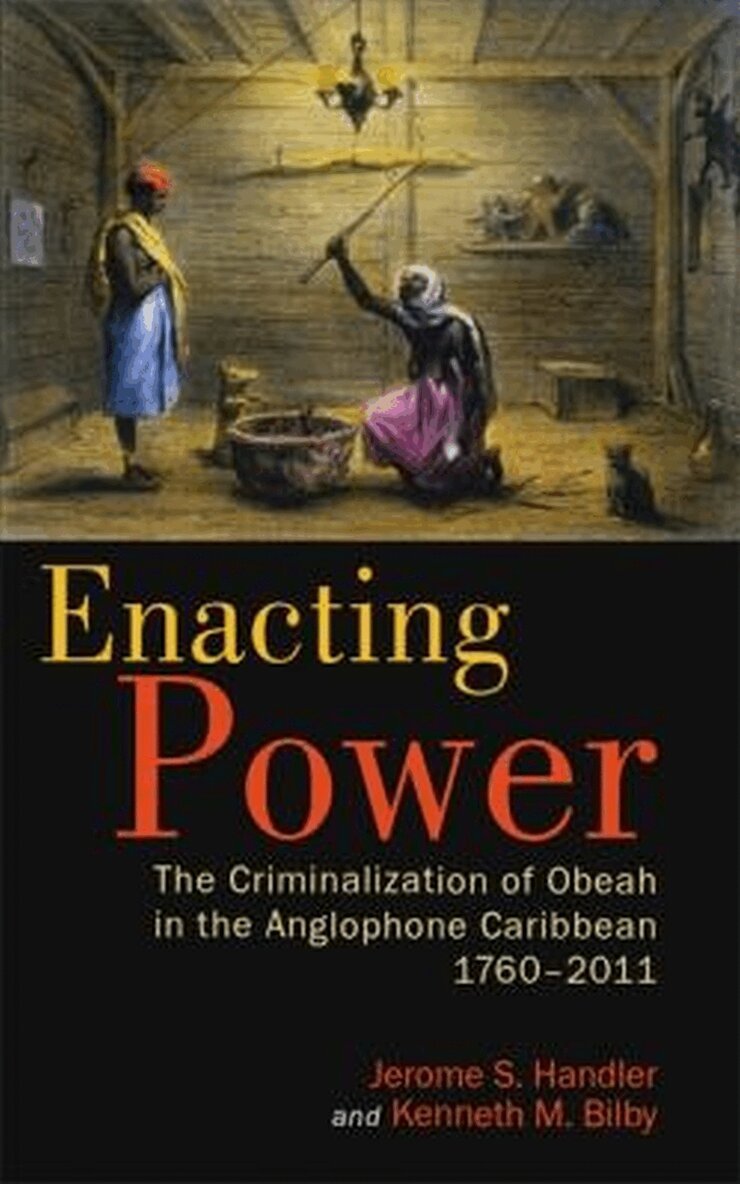
Enacting Power
The Criminalization of Obeah in the Anglophone Caribbean, 1760-2011
Häftad, Engelska, 2012
341 kr
Skickas inom 10-15 vardagar
More than two and a half centuries after it was first outlawed in Jamaica in 1760, obeah remains illegal in most territories of the former British West Indies. Yet, opinions on the meaning and essential nature of this controversial Afro-Caribbean spiritual phenomenon vary widely. While many contemporary West Indians hold negative views of obeah, viewing it as evil witchcraft or sorcery, others point to its widespread use in healing, protection from harm and solving a wide range of everyday problems – positive views that were also commonly held by enslaved West Indians in earlier generations.Despite the scholarly attention obeah has received, relatively little has been written about the many laws enacted against it in different territories at different periods. Offering a perspective on obeah that challenges conventional conceptions of this widely misunderstood aspect of West Indian society and culture, the core of this book is a detailed examination of anti-obeah laws, and their socio-political implications, in seventeen jurisdictions of the English-speaking Caribbean from the period of slavery to the present. Aside from chronologically tracing in each territory the development of these laws and their major provisions, the book also examines how anti-obeah legislation has helped to create and perpetuate cultural distortions that resound into the present. Anti-obeah legislation, particularly after the end of slavery in the nineteenth century, played a central role in creating public misunderstandings of the meaning and role of obeah among the West Indian masses, and led to the stigmatization and devaluation among future generations of African-derived spiritual beliefs and practices.