Jerry Toner – författare
Visar alla böcker från författaren Jerry Toner. Handla med fri frakt och snabb leverans.
25 produkter
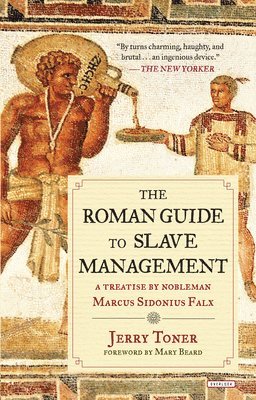
The Roman Guide to Slave Management: A Treatise by Nobleman Marcus Sidonius Falx
Av Jerry Toner
Häftad, 2016
238 kr
Lägg i varukorg
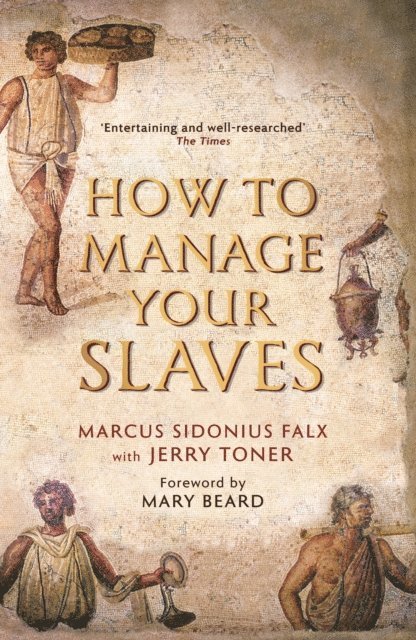
How to Manage Your Slaves by Marcus Sidonius Falx
Av Jerry Toner
E-bok, 2014
106 kr
Lägg i varukorg
At last, a clear manual for managing slaves the Roman way. In How to Manage Your Slaves, Marcus Sidonius Falx offers practical advice, showing where and how to buy slaves and how to get the best out of them. He explains how to tell good slaves from bad, offers guidance on the punishment of …
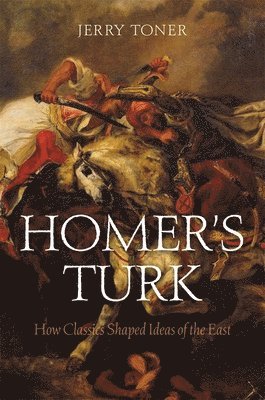
Homer's Turk
How Classics Shaped Ideas of the East
Av Jerry Toner
Inbunden, 2013
481 kr
Lägg i varukorg
A seventeenth-century English traveler to the Eastern Mediterranean would have faced a problem in writing about this unfamiliar place: how to describe its inhabitants in a way his countrymen would understand? In an age when a European education meant mastering the Classical literature of Greece and …
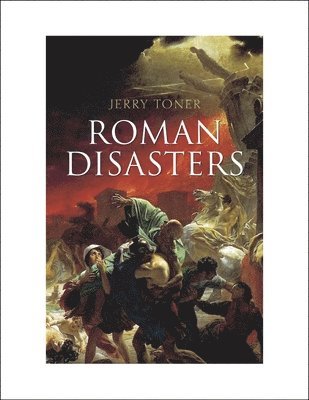
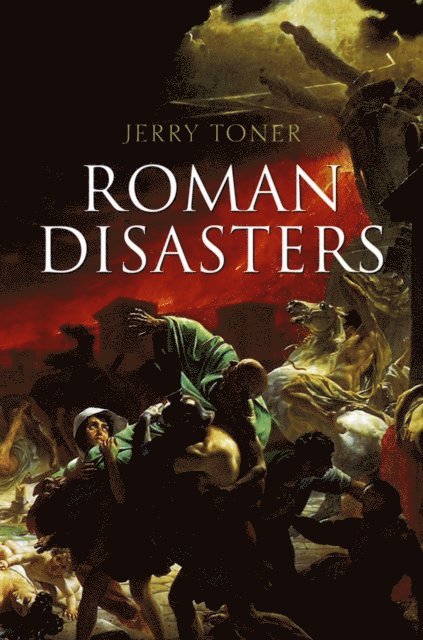
Roman Disasters
Av Jerry Toner
Inbunden, 2013
730 kr
Lägg i varukorg
Roman Disasters looks at how the Romans coped with, thought about, and used disasters for their own ends. Rome has been famous throughout history for its great triumphs. Yet Rome also suffered colossal disasters. From the battle of Cannae, where fifty thousand men fell in a single day, to the …
Roman Disasters
Av Jerry Toner
E-bok, 2013
840 kr
Lägg i varukorg
Roman Disasters looks at how the Romans coped with, thought about, and used disasters for their own ends. Rome has been famous throughout history for its great triumphs. Yet Rome also suffered colossal disasters. From the battle of Cannae, where fifty thousand men fell in a single day, to the …
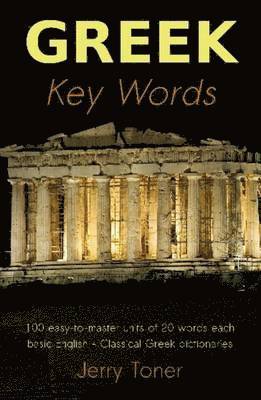
Greek Key Words
Learn Greek Easily: 2, 000 Word Vocabulary Arranged by Frequency in a Hundred Units, with Comprehensive Greek and English Indexes
Av Jerry Toner
Häftad, 2003
145 kr
Lägg i varukorg
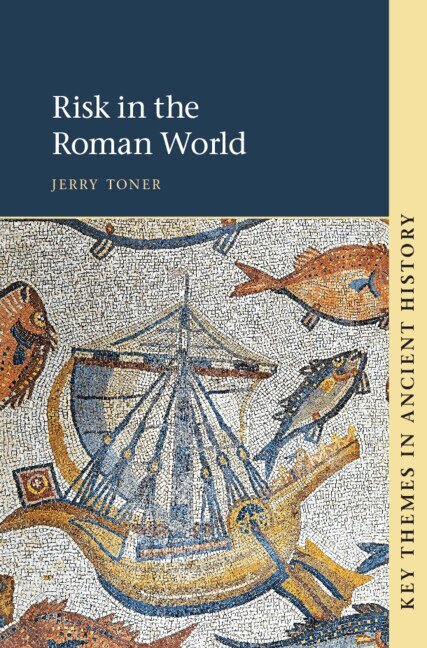
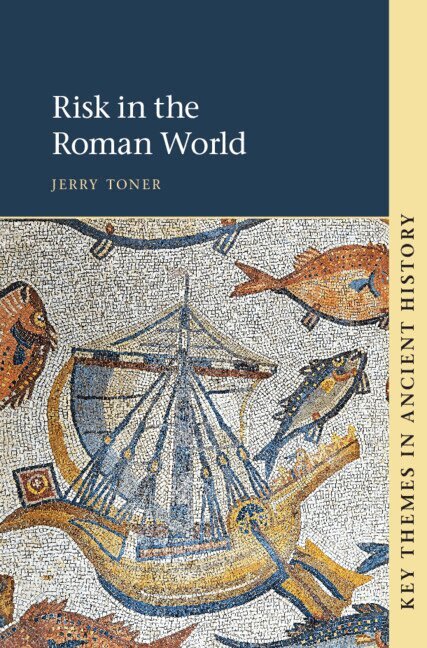
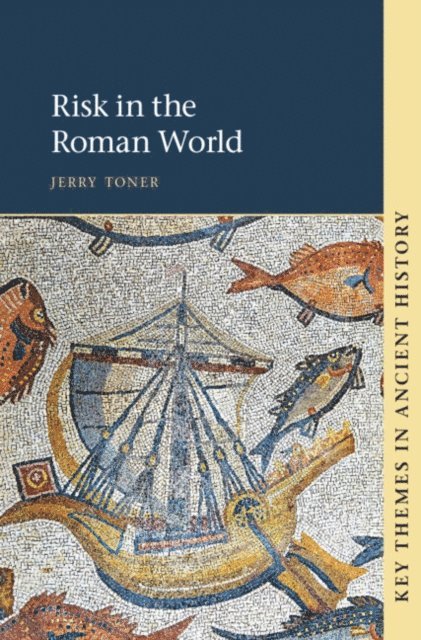
Risk in the Roman World
Av Jerry Toner
Inbunden, 2023
1257 kr
Lägg i varukorg
Modern risk studies have viewed the inhabitants of the ancient world as being both dominated by fate and exposed to fewer risks, but this very readable and groundbreaking new book challenges these views. It shows that the Romans inhabited a world full of danger and also that they not only …
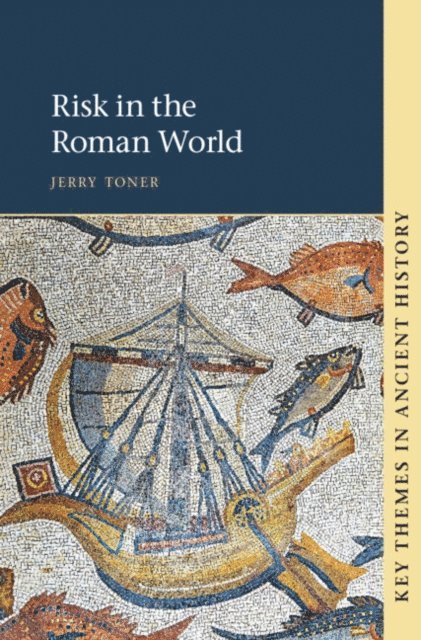
Risk in the Roman World
Av Jerry Toner
Häftad, 2023
393 kr
Lägg i varukorg
Modern risk studies have viewed the inhabitants of the ancient world as being both dominated by fate and exposed to fewer risks, but this very readable and groundbreaking new book challenges these views. It shows that the Romans inhabited a world full of danger and also that they not only …
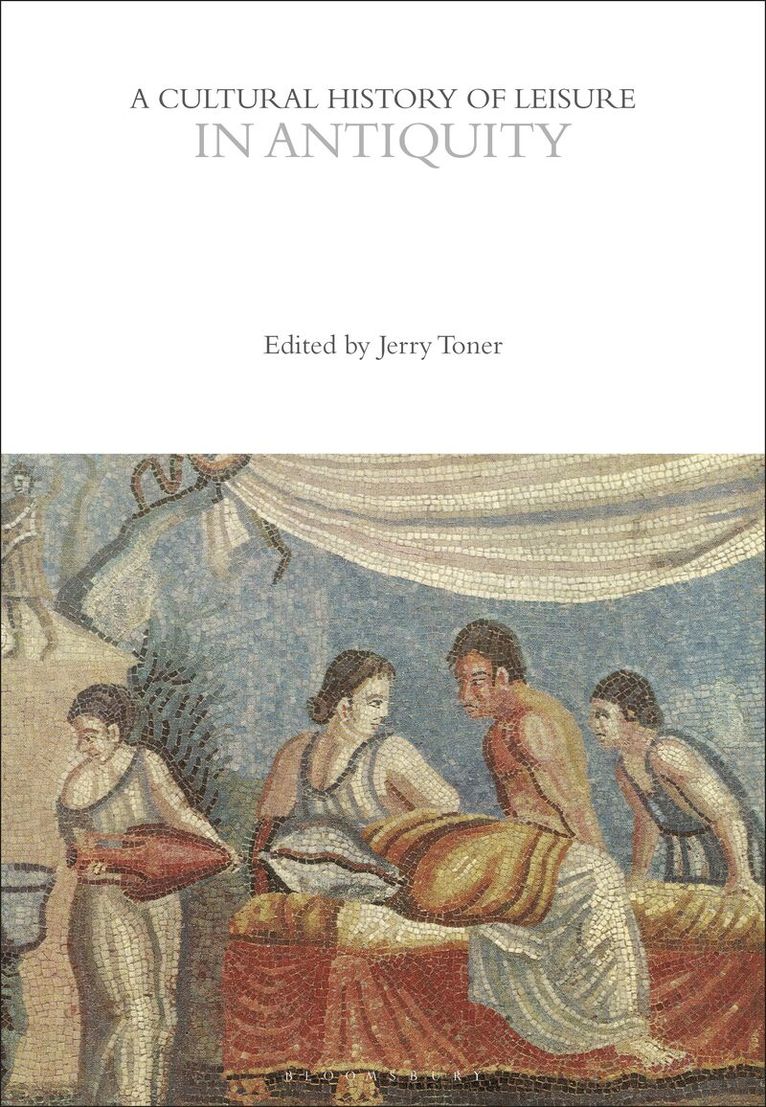
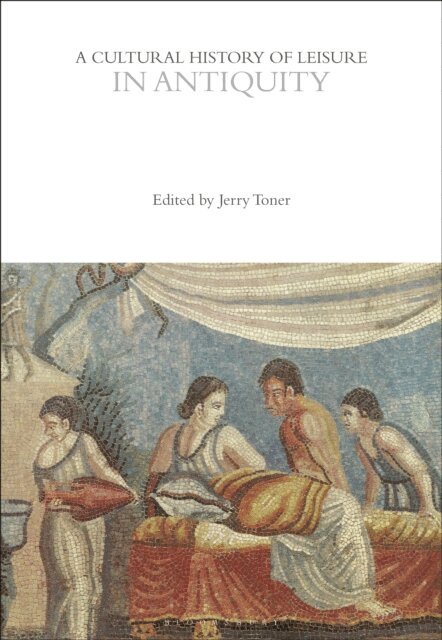
Cultural History of Leisure in Antiquity
Av Jerry Toner
Inbunden, 2026
1091 kr
Lägg i varukorg
In Antiquity (500 BCE-500 CE), leisure was always more significant than simply a short break from the hardships of everyday life. Leisure served to teach citizens about their various social roles and helped them construct identities, mainly by establishing and maintaining boundaries between social …
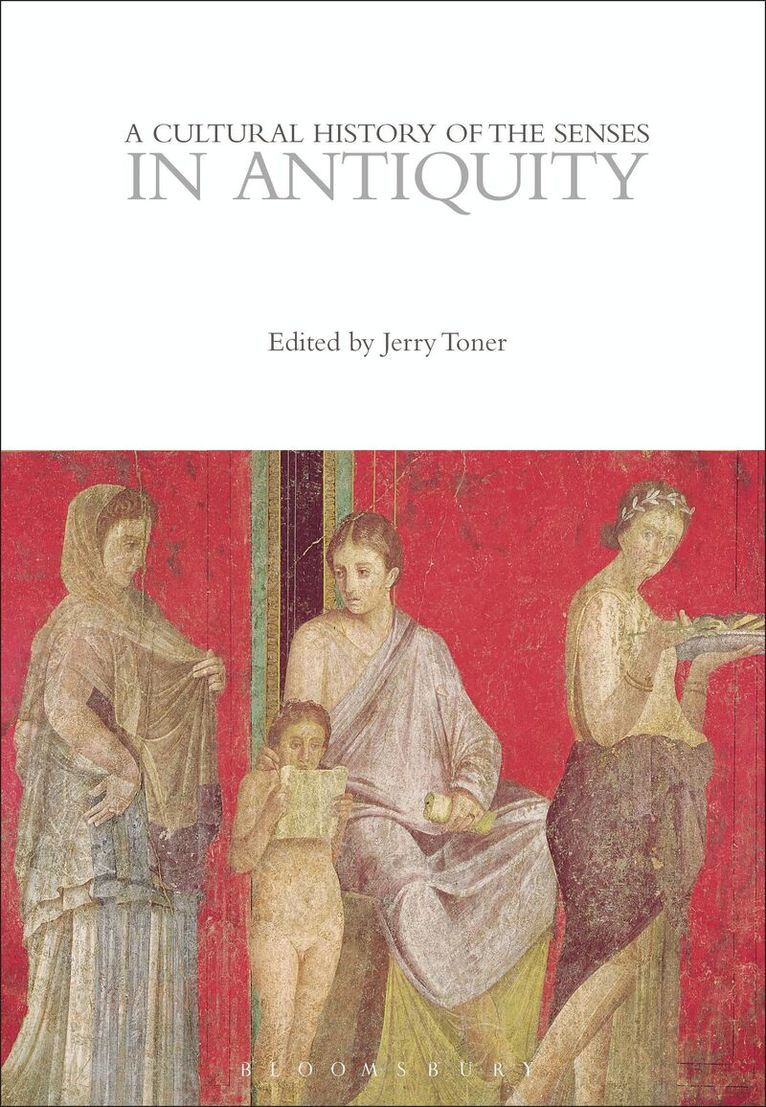
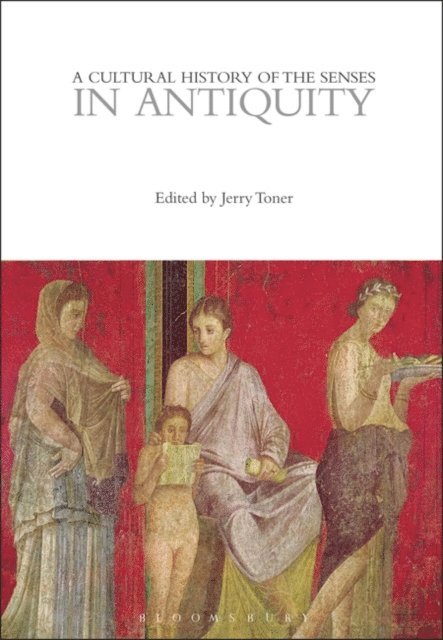
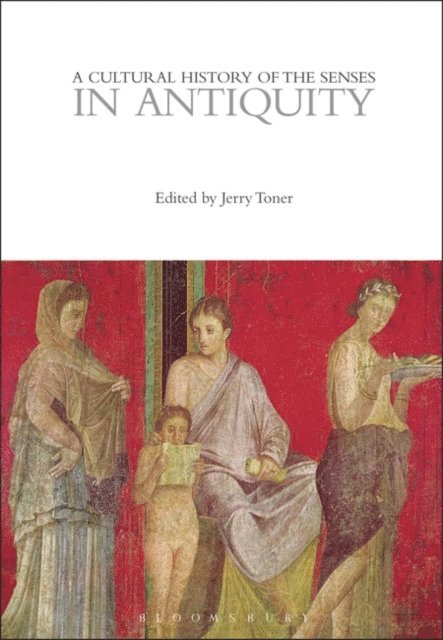
Cultural History of the Senses in Antiquity
Av Jerry Toner
Häftad, 2018
460 kr
Lägg i varukorg
The ancient world used the senses to express an enormous range of cultural meanings. Indeed the senses were functionally significant in all aspects of ancient life, often in ways that were complex and interconnected. Antiquity was also a period where the senses were experienced vividly: cities …
Cultural History of Leisure in Antiquity
Av Jerry Toner
E-bok, 2026
1204 kr
Lägg i varukorg
In Antiquity (500 BCE-500 CE), leisure was always more significant than simply a short break from the hardships of everyday life. Leisure served to teach citizens about their various social roles and helped them construct identities, mainly by establishing and maintaining boundaries between social …
Cultural History of Leisure in Antiquity
Av Jerry Toner
E-bok, 2026
1204 kr
Lägg i varukorg
In Antiquity (500 BCE-500 CE), leisure was always more significant than simply a short break from the hardships of everyday life. Leisure served to teach citizens about their various social roles and helped them construct identities, mainly by establishing and maintaining boundaries between social …
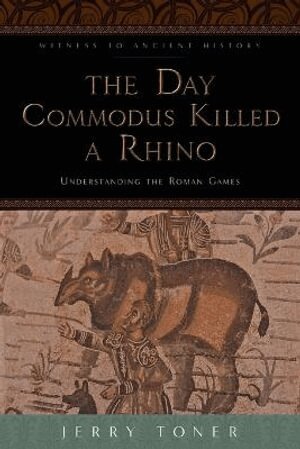
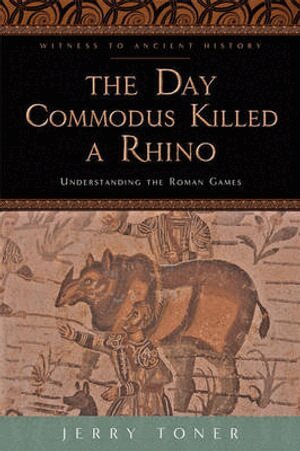
Day Commodus Killed a Rhino
Understanding the Roman Games
Av Jerry Toner
Häftad, 2015
319 kr
Lägg i varukorg
The Roman emperor Commodus wanted to kill a rhinoceros with a bow and arrow, and he wanted to do it in the Colosseum. Commodus' passion for hunting animals was so fervent that he dreamt of shooting a tiger, an elephant, and a hippopotamus; his prowess was such that people claimed he never missed …
Cultural History of the Senses in Antiquity
Av Jerry Toner
E-bok, 2014
484 kr
Lägg i varukorg
The ancient world used the senses to express an enormous range of cultural meanings. Indeed the senses were functionally significant in all aspects of ancient life, often in ways that were complex and interconnected. Antiquity was also a period where the senses were experienced vividly: cities …
Cultural History of the Senses in Antiquity
Av Jerry Toner
E-bok, 2014
499 kr
Lägg i varukorg
The ancient world used the senses to express an enormous range of cultural meanings. Indeed the senses were functionally significant in all aspects of ancient life, often in ways that were complex and interconnected. Antiquity was also a period where the senses were experienced vividly: cities …
Infamy
The Crimes of Ancient Rome
Av Jerry Toner
Häftad, 2020
138 kr
Lägg i varukorg
Rome is an empire with a bad reputation. From its brutal games to its depraved emperors, its violent mobs to its ruthless wars, its name resounds down the centuries like a scream in an alley. But was it as bad as all that? Join the historian Jerry Toner on a detective's hunt to discover the extent …
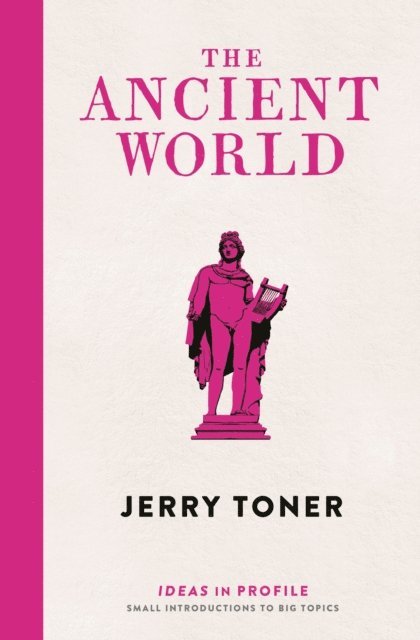
Ancient World: Ideas in Profile
Av Jerry Toner
Häftad, 2015
129 kr
Lägg i varukorg
Ideas in Profile: Small Introductions to Big TopicsThis introduction to the ancient world, part of the Ideas in Profile series, covers all its different cultures, from the million people crammed into Rome to the Jews and Syrians who refused to be Romanised. Jerry Toner shows what can be learnt from …
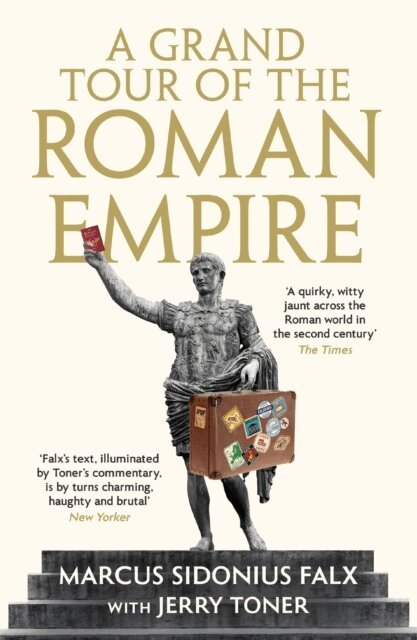
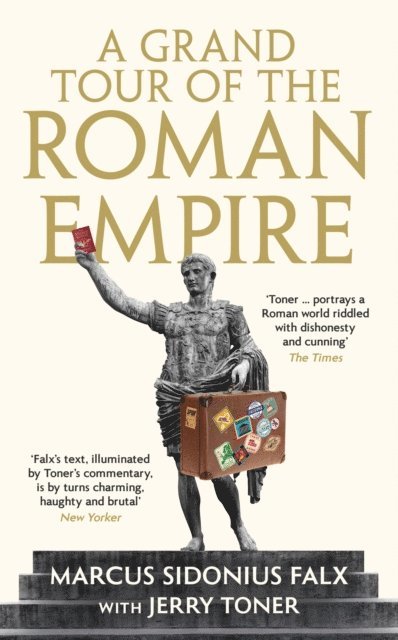
Grand Tour of the Roman Empire by Marcus Sidonius Falx
Av Jerry Toner
Häftad, 2024
127 kr
Lägg i varukorg
'Toner again spins a tale that is enjoyable and informative.' The TimesTour the Roman Empire at its height with Marcus Sidonius Falx and his amanuensis, Dr Jerry Toner. Travelling east, Falx explores the great cultural centre of Athens before trekking into rural Asia (or Turkey as we know it), past …
Infamy
The Crimes of Ancient Rome
Av Jerry Toner
E-bok, 2019
130 kr
Lägg i varukorg
Rome is an empire with a bad reputation. From its brutal games to its depraved emperors, its violent mobs to its ruthless wars, its name resounds down the centuries like a scream in an alley. But was it as bad as all that? Join the historian Jerry Toner on a detective''s hunt to discover the extent …
Ancient World: Ideas in Profile
Av Jerry Toner
E-bok, 2015
132 kr
Lägg i varukorg
Ideas in Profile: Small Introductions to Big TopicsThis introduction to the ancient world, part of the Ideas in Profile series, covers all its different cultures, from the million people crammed into Rome to the Jews and Syrians who refused to be Romanised. Jerry Toner shows what can be learnt from …
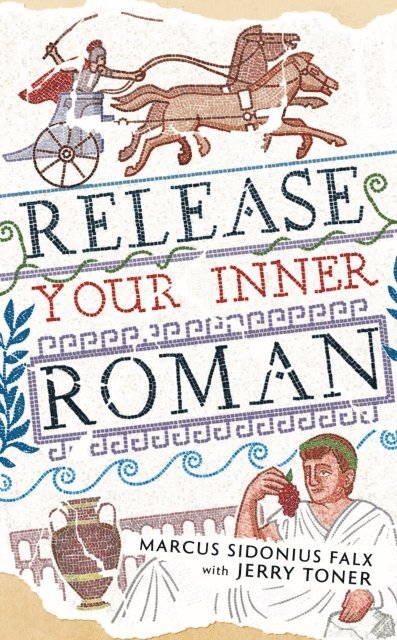
Release Your Inner Roman by Marcus Sidonius Falx
Av Jerry Toner
E-bok, 2016
130 kr
Lägg i varukorg
At last the Roman self-help book the world has been waiting for. Marcus Sidonius Falx sets out the characteristics that have made the Romans the most successful people in history and shows how following their example will do the same for you. His guide will enhance the value of your life, boost its …
Grand Tour of the Roman Empire by Marcus Sidonius Falx
Av Jerry Toner
E-bok, 2022
125 kr
Lägg i varukorg
''Toner again spins a tale that is enjoyable and informative.'' The TimesTour the Roman Empire at its height with Marcus Sidonius Falx and his amanuensis, Dr Jerry Toner. Travelling east, Falx explores the great cultural centre of Athens before trekking into rural Asia (or Turkey as we know it), …
Day Commodus Killed a Rhino
Understanding the Roman Games
Av Jerry Toner
Inbunden, 2015
504 kr
Tillfälligt slut
The Roman emperor Commodus wanted to kill a rhinoceros with a bow and arrow, and he wanted to do it in the Colosseum. Commodus' passion for hunting animals was so fervent that he dreamt of shooting a tiger, an elephant, and a hippopotamus; his prowess was such that people claimed he never missed …