Jesper Eidem – författare
Visar alla böcker från författaren Jesper Eidem. Handla med fri frakt och snabb leverans.
5 produkter
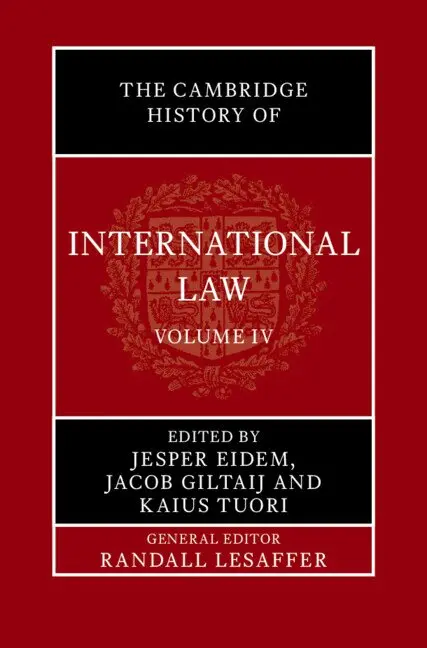
The Cambridge History of International Law: Volume 4, International Law in the Middle East and the Mediterranean during Antiquity
Av Jesper Eidem, Jacob Giltaij m. fl.
Inbunden, 2026
2019 kr
Lägg i varukorg
Volume IV of The Cambridge History of International Law explores the existence and scope of international law in Antiquity, spanning approximately 1800 BCE to 650 CE. During this period, the territories surrounding the Mediterranean engaged in various forms of cross-border interaction, from trade …
Cambridge History of International Law: Volume 4, International Law in the Middle East and the Mediterranean during Antiquity
Av Kaius Tuori, Jacob Giltaij m. fl.
E-bok, 2026
1852 kr
Lägg i varukorg
Cambridge History of International Law: Volume 4, International Law in the Middle East and the Mediterranean during Antiquity
Av Kaius Tuori, Jacob Giltaij m. fl.
E-bok, 2026
1812 kr
Lägg i varukorg
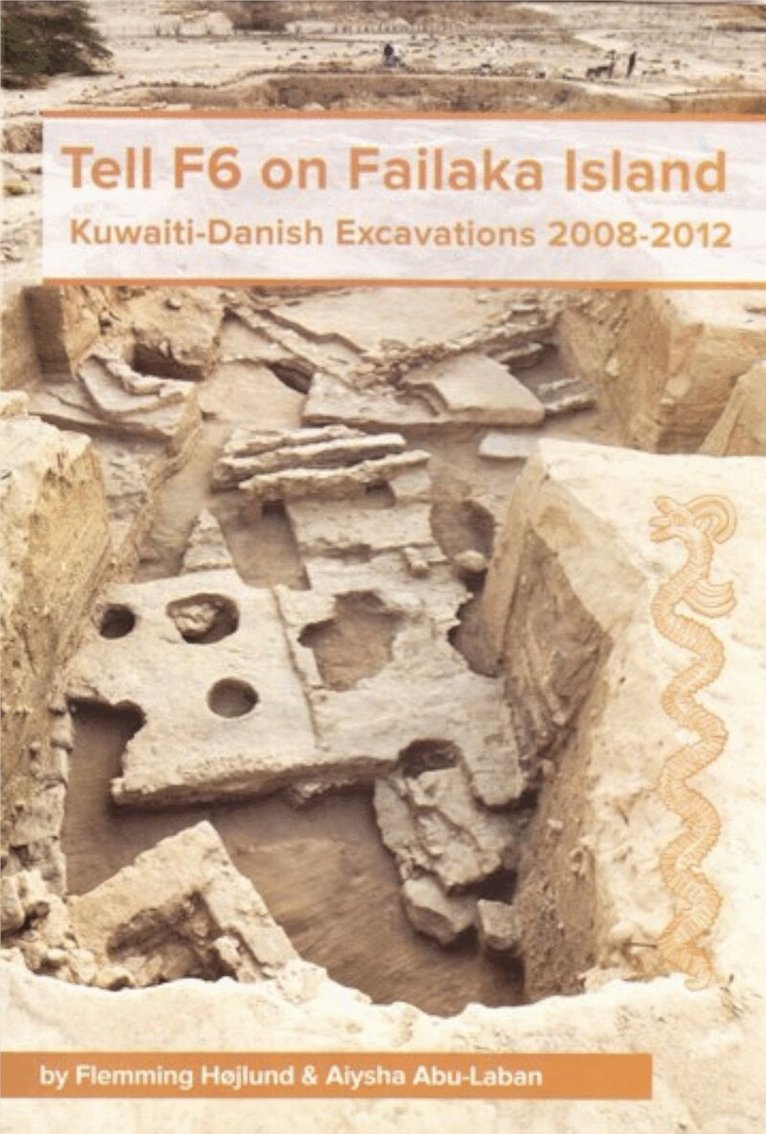
Tell F6 on Failaka Island
Kuwaiti-Danish Excavations 2008-2012
Av Flemming Højlund, Aiysha Abu-Laban m. fl.
Inbunden, 2016
497 kr
Lägg i varukorg
In the 3rd and 2nd millennium BC, the Arabian Gulf was an important waterway linking the large cities and states of Mesopotamia and Iran with Southeast Arabia and the Indus Valley. Trade along the Lower Sea, as the Gulf was named, demanded supporting stations, and civilizations grew and declined …
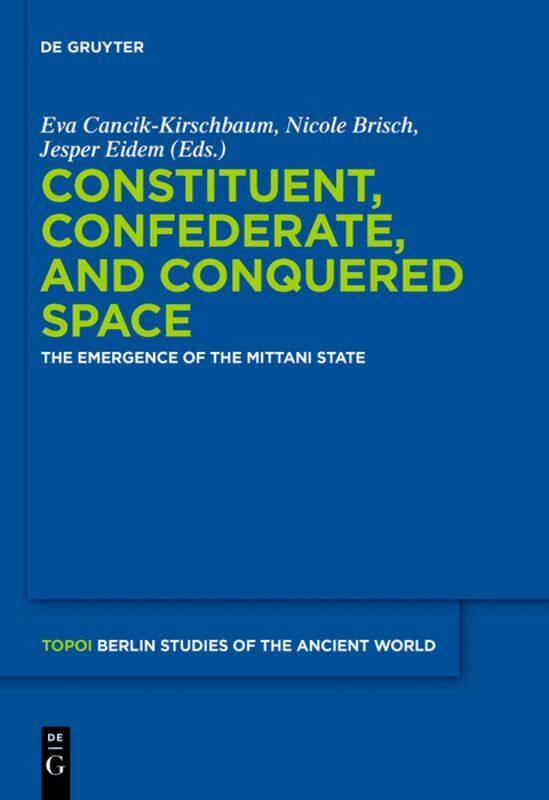
Constituent, Confederate, and Conquered Space
The Emergence of the Mittani State
Av Eva Cancik-Kirschbaum, Nicole Brisch m. fl.
Inbunden, 2014
1209 kr
Tillfälligt slut
The Mittani empire is one of the most enigmatic political structures in Mesopotamian history. Reconstructing the emergence and the organisation of this state, whose territory encompassed Upper Mesopotamia touching the Levant and the piedmont plains of the Zagros in the East at the height of its …