Jesse LeCavalier - Böcker
Visar alla böcker från författaren Jesse LeCavalier. Handla med fri frakt och snabb leverans.
3 produkter
3 produkter
1 145 kr
Skickas inom 7-10 vardagar
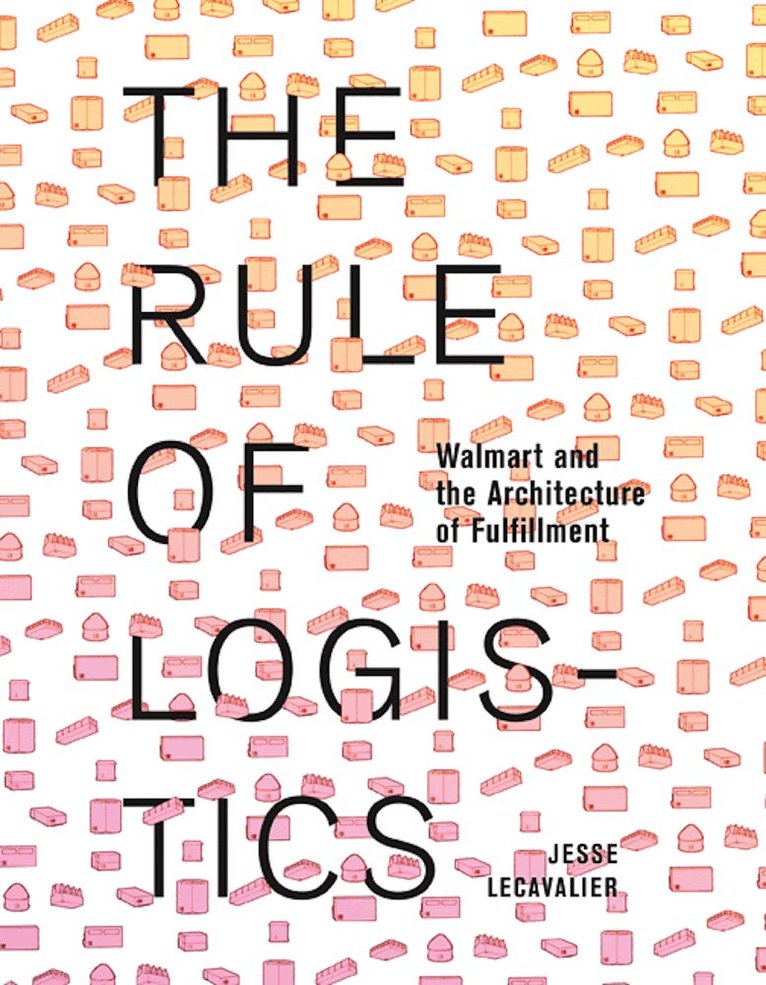
Every time you wheel a shopping cart through one of Walmarts more than 10,000 stores worldwide, or swipe your credit card or purchase something online, you enter a mind-boggling logistical regime. Even if youve never shopped at Walmart, its logistics have probably affected your life. The Rule of Logistics makes sense of its spatial and architectural ramifications by analyzing the stores, distribution centers, databases, and inventory practices of the worlds largest corporation. The Rule of Logistics tells the story of Walmarts buildings in the context of the corporations entire operation, itself characterized by an obsession with logistics. Beginning with the companys founding in 1962, Jesse LeCavalier reveals how logistics-as a branch of knowledge, an area of work, and a collection of processes-takes shape and changes our built environment. Weaving together archival material with original drawings, LeCavalier shows how a diverse array of ideas, people, and things-military theory and chewing gum, Howard Dean and satellite networks, Hudson River School painters and real estate software, to name a few-are all connected through Walmarts logistical operations and in turn are transforming how its buildings are conceptualized, located, built, and inhabited. A major new contribution to architectural history and theory, The Rule of Logistics helps us understand how retailing today is changing our bodies, brains, buildings, and cities and predicts what future forms architecture might take when shaped by systems that exceed its current capacities.
319 kr
Skickas inom 7-10 vardagar
Every time you wheel a shopping cart through one of Walmarts more than 10,000 stores worldwide, or swipe your credit card or purchase something online, you enter a mind-boggling logistical regime. Even if youve never shopped at Walmart, its logistics have probably affected your life. The Rule of Logistics makes sense of its spatial and architectural ramifications by analyzing the stores, distribution centers, databases, and inventory practices of the worlds largest corporation. The Rule of Logistics tells the story of Walmarts buildings in the context of the corporations entire operation, itself characterized by an obsession with logistics. Beginning with the companys founding in 1962, Jesse LeCavalier reveals how logistics-as a branch of knowledge, an area of work, and a collection of processes-takes shape and changes our built environment. Weaving together archival material with original drawings, LeCavalier shows how a diverse array of ideas, people, and things-military theory and chewing gum, Howard Dean and satellite networks, Hudson River School painters and real estate software, to name a few-are all connected through Walmarts logistical operations and in turn are transforming how its buildings are conceptualized, located, built, and inhabited. A major new contribution to architectural history and theory, The Rule of Logistics helps us understand how retailing today is changing our bodies, brains, buildings, and cities and predicts what future forms architecture might take when shaped by systems that exceed its current capacities.
473 kr
Kommande
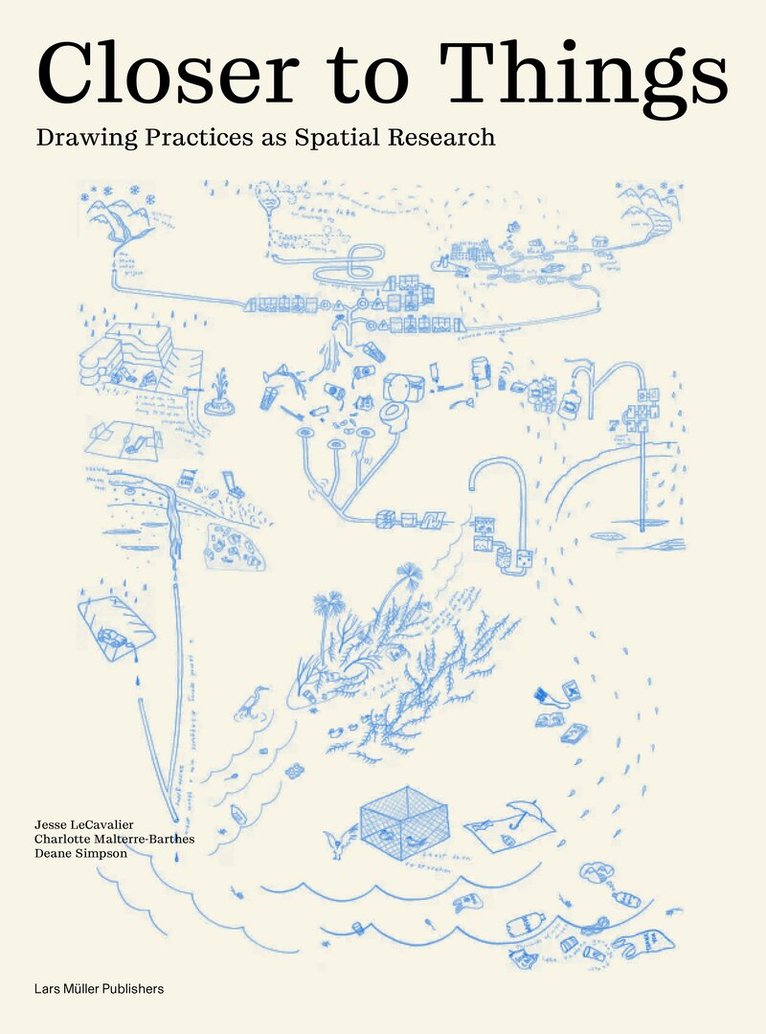
Closer to Things: Drawing Practices as Spatial Research examines drawing as a critical research methodology in architecture and the spatial disciplines. Moving beyond drawing’s conventional role as a prescriptive design tool, the publication addresses how drawing can be deployed as an analytical instrument to investigate, or get “closer to,” urgent matters of concern in the existing built environment. Through this lens, drawing becomes a potent tool to reveal and communicate complex and often obscured spatial conditions of social inequality, economic asymmetries, environmental degradation or climatic crisis. This publication comprises an extended text by the authors interrogating different forms of research agency performed through drawing; a curated archive of relevant historical and contemporary drawings paired with theoretical reflections; and a series of new interviews and conversations on drawing’s research agency with practitioners and researchers such as Momoyo Kaijima, Eyal Weizman, Fei Fei Zhou, Laura Kurgan, Huda Tayob and Denise Scott-Brown, amongst others. Relevant reading for researchers, practitioners and students alike, Closer to Things frames drawing not just as a creative act, but as a powerful tool of critical spatial inquiry.