Jessica Keating - Böcker
Visar alla böcker från författaren Jessica Keating. Handla med fri frakt och snabb leverans.
2 produkter
2 produkter
396 kr
Skickas inom 7-10 vardagar
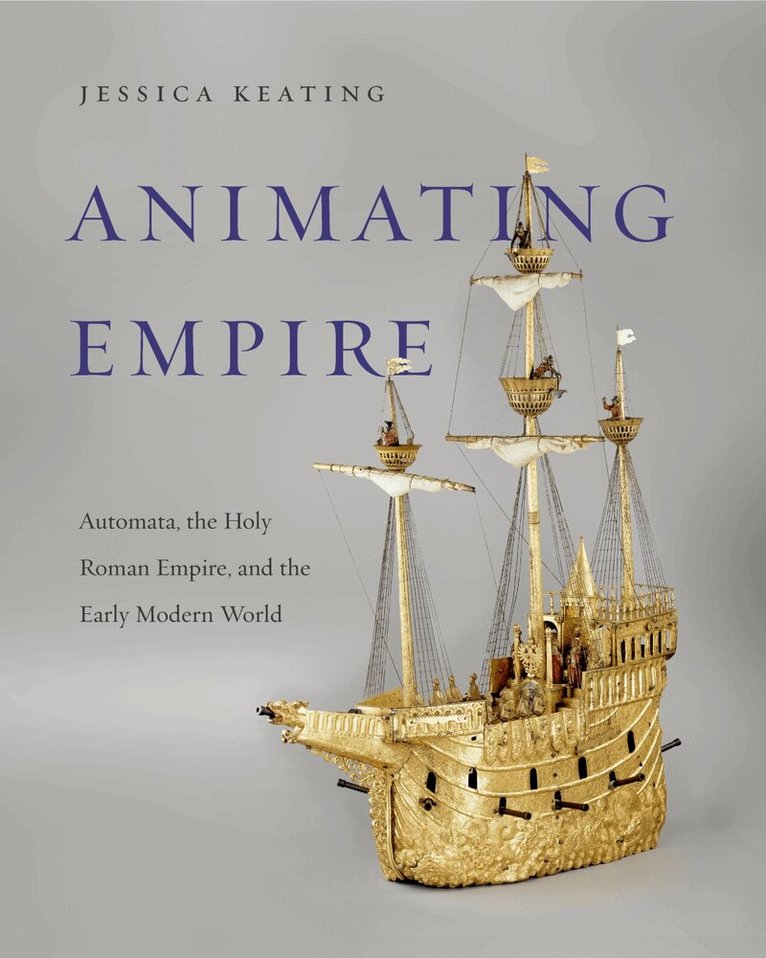
In the sixteenth and seventeenth centuries, German clockwork automata were collected, displayed, and given as gifts throughout the Holy Roman, Ottoman, and Mughal Empires. In Animating Empire, Jessica Keating recounts the lost history of six such objects and reveals the religious, social, and political meaning they held.The intricate gilt, silver, enameled, and bejeweled clockwork automata, almost exclusively crafted in the city of Augsburg, represented a variety of subjects in motion, from religious figures to animals. Their movements were driven by gears, wheels, and springs painstakingly assembled by clockmakers. Typically wound up and activated by someone in a position of power, these objects and the theological and political arguments they made were highly valued by German-speaking nobility. They were often given as gifts and as tribute payment, and they played remarkable roles in the Holy Roman Empire, particularly with regard to courtly notions about the important early modern issues of universal Christian monarchy, the Reformation, the Counter-Reformation, the encroachment of the Ottoman Empire, and global trade.Demonstrating how automata produced in the Holy Roman Empire spoke to a convergence of historical, religious, and political circumstances, Animating Empire is a fascinating analysis of the animation of inanimate matter in the early modern period. It will appeal especially to art historians and historians of early modern Europe.E-book editions have been made possible through support of the Art History Publication Initiative (AHPI), a collaborative grant from the Andrew W. Mellon Foundation.
193 kr
Kommande
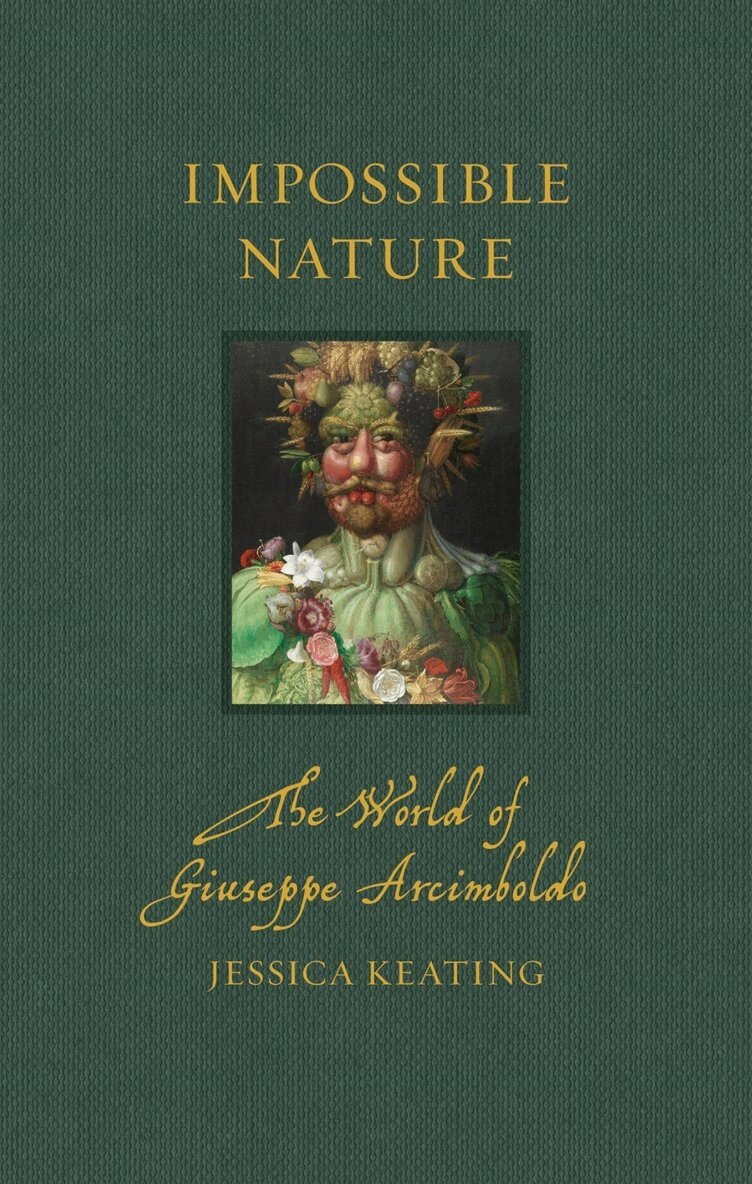
Impossible Nature offers a fresh reassessment of Giuseppe Arcimboldo, the Lombard painter whose fantastical composite heads became fixtures of the Habsburg court and emblems of imperial imagination. Moving beyond the familiar images, this book argues that court art was never merely decorative: it upheld power even as it subtly unravelled the narratives that power wished to project. Through incisive visual readings, Jessica Keating shows the ways in which Arcimboldo’s work pictured and contemplated anew the codependency of art, nature and sovereignty, and reveals an artist far more conceptually daring – and more urgently relevant – than his playful surfaces suggest.