Jessica Marie Johnson - Böcker
Visar alla böcker från författaren Jessica Marie Johnson. Handla med fri frakt och snabb leverans.
4 produkter
4 produkter
391 kr
Skickas inom 10-15 vardagar
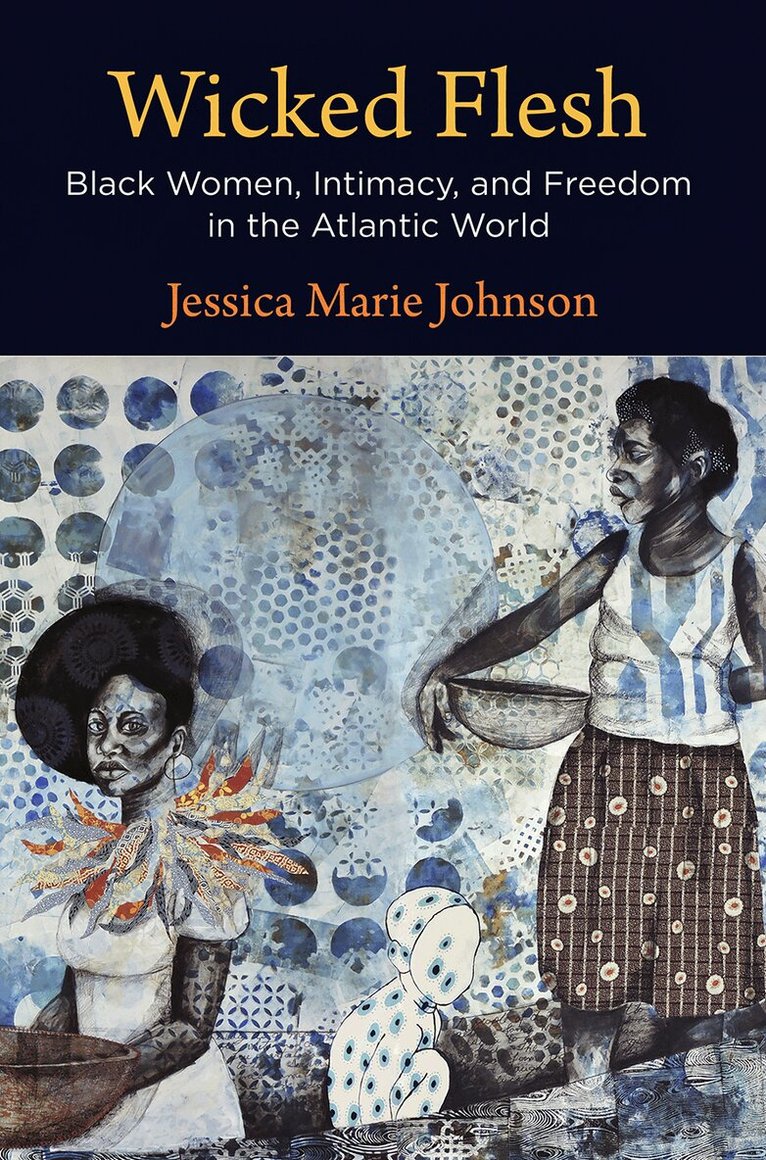
The story of freedom pivots on the choices black women made to retain control over their bodies and selves, their loved ones, and their futures.The story of freedom and all of its ambiguities begins with intimate acts steeped in power. It is shaped by the peculiar oppressions faced by African women and women of African descent. And it pivots on the self-conscious choices black women made to retain control over their bodies and selves, their loved ones, and their futures. Slavery's rise in the Americas was institutional, carnal, and reproductive. The intimacy of bondage whet the appetites of slaveowners, traders, and colonial officials with fantasies of domination that trickled into every social relationship-husband and wife, sovereign and subject, master and laborer. Intimacy-corporeal, carnal, quotidian-tied slaves to slaveowners, women of African descent and their children to European and African men. In Wicked Flesh, Jessica Marie Johnson explores the nature of these complicated intimate and kinship ties and how they were used by black women to construct freedom in the Atlantic world.Johnson draws on archival documents scattered in institutions across three continents, written in multiple languages and largely from the perspective of colonial officials and slave-owning men, to recreate black women's experiences from coastal Senegal to French Saint-Domingue to Spanish Cuba to the swampy outposts of the Gulf Coast. Centering New Orleans as the quintessential site for investigating black women's practices of freedom in the Atlantic world, Wicked Flesh argues that African women and women of African descent endowed free status with meaning through active, aggressive, and sometimes unsuccessful intimate and kinship practices. Their stories, in both their successes and their failures, outline a practice of freedom that laid the groundwork for the emancipation struggles of the nineteenth century and reshaped the New World.
264 kr
Skickas inom 7-10 vardagar
The story of freedom pivots on the choices black women made to retain control over their bodies and selves, their loved ones, and their futures.The story of freedom and all of its ambiguities begins with intimate acts steeped in power. It is shaped by the peculiar oppressions faced by African women and women of African descent. And it pivots on the self-conscious choices black women made to retain control over their bodies and selves, their loved ones, and their futures. Slavery's rise in the Americas was institutional, carnal, and reproductive. The intimacy of bondage whet the appetites of slaveowners, traders, and colonial officials with fantasies of domination that trickled into every social relationship-husband and wife, sovereign and subject, master and laborer. Intimacy-corporeal, carnal, quotidian-tied slaves to slaveowners, women of African descent and their children to European and African men. In Wicked Flesh, Jessica Marie Johnson explores the nature of these complicated intimate and kinship ties and how they were used by black women to construct freedom in the Atlantic world.Johnson draws on archival documents scattered in institutions across three continents, written in multiple languages and largely from the perspective of colonial officials and slave-owning men, to recreate black women's experiences from coastal Senegal to French Saint-Domingue to Spanish Cuba to the swampy outposts of the Gulf Coast. Centering New Orleans as the quintessential site for investigating black women's practices of freedom in the Atlantic world, Wicked Flesh argues that African women and women of African descent endowed free status with meaning through active, aggressive, and sometimes unsuccessful intimate and kinship practices. Their stories, in both their successes and their failures, outline a practice of freedom that laid the groundwork for the emancipation struggles of the nineteenth century and reshaped the New World.
1 269 kr
Skickas inom 7-10 vardagar
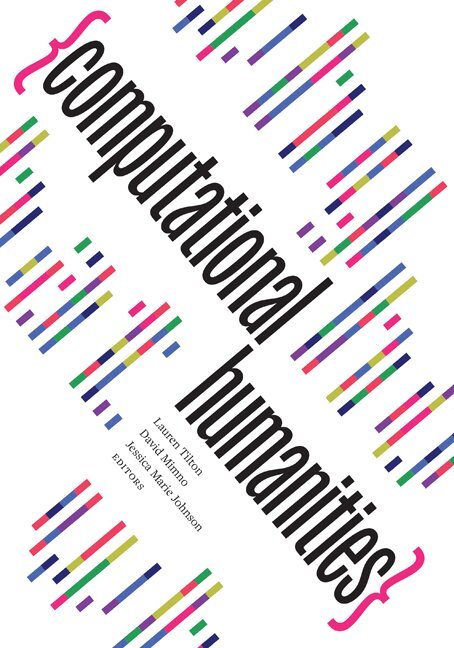
The first book to intervene in debates on computation in the digital humanitiesBringing together leading experts from across North America and Europe, Computational Humanities redirects debates around computation and humanities digital scholarship from dualistic arguments to nuanced discourse centered around theories of knowledge and power. This volume is organized around four questions: Why or why not pursue computational humanities? How do we engage in computational humanities? What can we study using these methods? Who are the stakeholders? Recent advances in technologies for image and sound processing have expanded computational approaches to cultural forms beyond text, and new forms of data, from listservs and code repositories to tweets and other social media content, have enlivened debates about what counts as digital humanities scholarship. Providing case studies of collaborations between humanities-centered and computation-centered researchers, this volume highlights both opportunities and frictions, showing that data and computation are as much about power, prestige, and precarity as they are about p-values. Contributors: Mark Algee-Hewitt, Stanford U; David Bamman, U of California, Berkeley; Kaspar Beelen, U of London; Peter Bell, Philipps U of Marburg; Tobias Blanke, U of Amsterdam; Julia Damerow, Arizona State U; Quinn Dombrowski, Stanford U; Crystal Nicole Eddins, U of Pittsburgh; Abraham Gibson, U of Texas at San Antonio; Tassie Gniady; Crystal Hall, Bowdoin College; Vanessa M. Holden, U of Kentucky; David Kloster, Indiana U; Manfred D. Laubichler, Arizona State U; Katherine McDonough, Lancaster U; Barbara McGillivray, King’s College London; Megan Meredith-Lobay, Simon Fraser U; Federico Nanni, Alan Turing Institute; Fabian Offert, U of California, Santa Barbara; Hannah Ringler, Illinois Institute of Technology; Roopika Risam, Dartmouth College; Joshua D. Rothman, U of Alabama; Benjamin M. Schmidt; Lisa Tagliaferri, Rutgers U; Jeffrey Tharsen, U of Chicago; Marieke van Erp, Royal Netherlands Academy of Arts and Sciences; Lee Zickel, Case Western Reserve U.
351 kr
Skickas inom 7-10 vardagar
The first book to intervene in debates on computation in the digital humanitiesBringing together leading experts from across North America and Europe, Computational Humanities redirects debates around computation and humanities digital scholarship from dualistic arguments to nuanced discourse centered around theories of knowledge and power. This volume is organized around four questions: Why or why not pursue computational humanities? How do we engage in computational humanities? What can we study using these methods? Who are the stakeholders? Recent advances in technologies for image and sound processing have expanded computational approaches to cultural forms beyond text, and new forms of data, from listservs and code repositories to tweets and other social media content, have enlivened debates about what counts as digital humanities scholarship. Providing case studies of collaborations between humanities-centered and computation-centered researchers, this volume highlights both opportunities and frictions, showing that data and computation are as much about power, prestige, and precarity as they are about p-values. Contributors: Mark Algee-Hewitt, Stanford U; David Bamman, U of California, Berkeley; Kaspar Beelen, U of London; Peter Bell, Philipps U of Marburg; Tobias Blanke, U of Amsterdam; Julia Damerow, Arizona State U; Quinn Dombrowski, Stanford U; Crystal Nicole Eddins, U of Pittsburgh; Abraham Gibson, U of Texas at San Antonio; Tassie Gniady; Crystal Hall, Bowdoin College; Vanessa M. Holden, U of Kentucky; David Kloster, Indiana U; Manfred D. Laubichler, Arizona State U; Katherine McDonough, Lancaster U; Barbara McGillivray, King’s College London; Megan Meredith-Lobay, Simon Fraser U; Federico Nanni, Alan Turing Institute; Fabian Offert, U of California, Santa Barbara; Hannah Ringler, Illinois Institute of Technology; Roopika Risam, Dartmouth College; Joshua D. Rothman, U of Alabama; Benjamin M. Schmidt; Lisa Tagliaferri, Rutgers U; Jeffrey Tharsen, U of Chicago; Marieke van Erp, Royal Netherlands Academy of Arts and Sciences; Lee Zickel, Case Western Reserve U.