Jewel Spears Brooker – författare
Visar alla böcker från författaren Jewel Spears Brooker. Handla med fri frakt och snabb leverans.
8 produkter
T. S. Eliot
The Contemporary Reviews
Inbunden, 2004
2386 kr
Lägg i varukorg
Widely regarded as one of the most important and influential poets of the twentieth century, T. S. Eliot was also extremely prolific. T. S. Eliot: The Contemporary Reviews is a testament to both these aspects of Eliot's work. In it, Jewel Spears Brooker presents the most comprehensive gathering of …
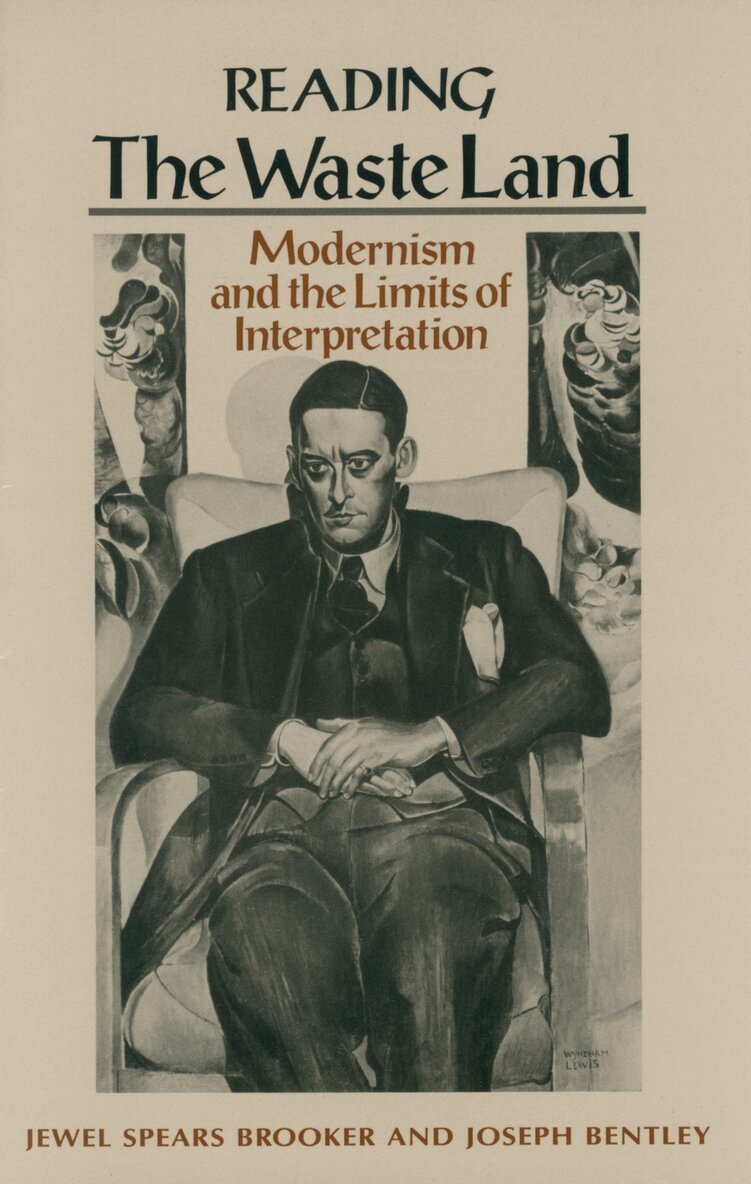
Reading 'the Waste Land'
Modernism and the Limits of Interpretation
Av Jewel Spears Brooker, Joseph Bentley
Häftad, 1992
673 kr
Lägg i varukorg
This book offers fresh commentary on T.S. Eliot's The Waste Land, a book of modernist poetry published in 1922. It aims to be both a part-by-part analysis of the poem with periodic summations and a meditation on the limits of interpretation and the problematic nature of reading in the late 20th …
T. S. Eliot's Dialectical Imagination
Inbunden, 2019
578 kr
Lägg i varukorg
What principles connect—and what distinctions separate—“The Love Song of J. Alfred Prufrock,” The Waste Land, and Four Quartets?The thought-tormented characters in T. S. Eliot’s early poetry are paralyzed by the gap between mind and body, thought and action. The need to address this impasse is part …
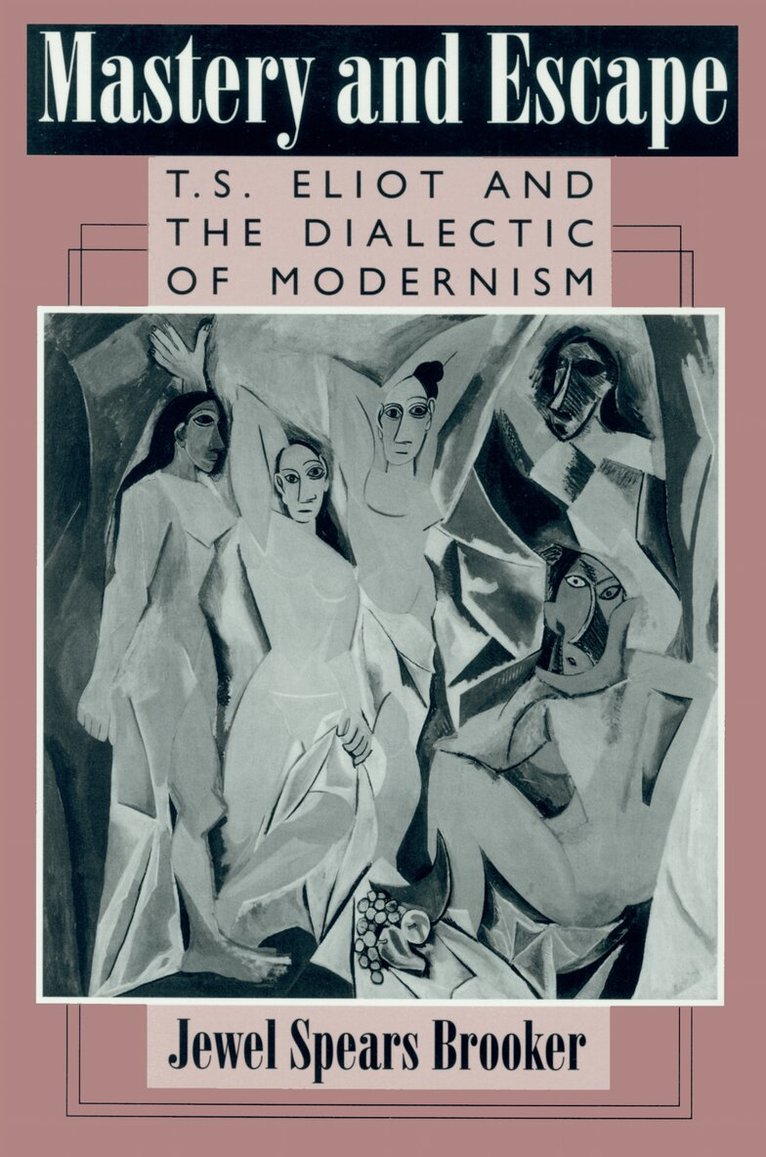
Mastery and Escape
T.S.Eliot and the Dialect of Modernism
Häftad, 1996
409 kr
Tillfälligt slut
These expert studies in some of the key figures behind Eliot's modernism - Mallarme, Frazer, F.H. Bradley, and T.E. Hulme - yield fresh insights which are brought to bear most fruitfully on his major poems ""Gerontion"", ""The Waste Land"" and ""Four Quartets"". A spacious and wide-ranging book by …
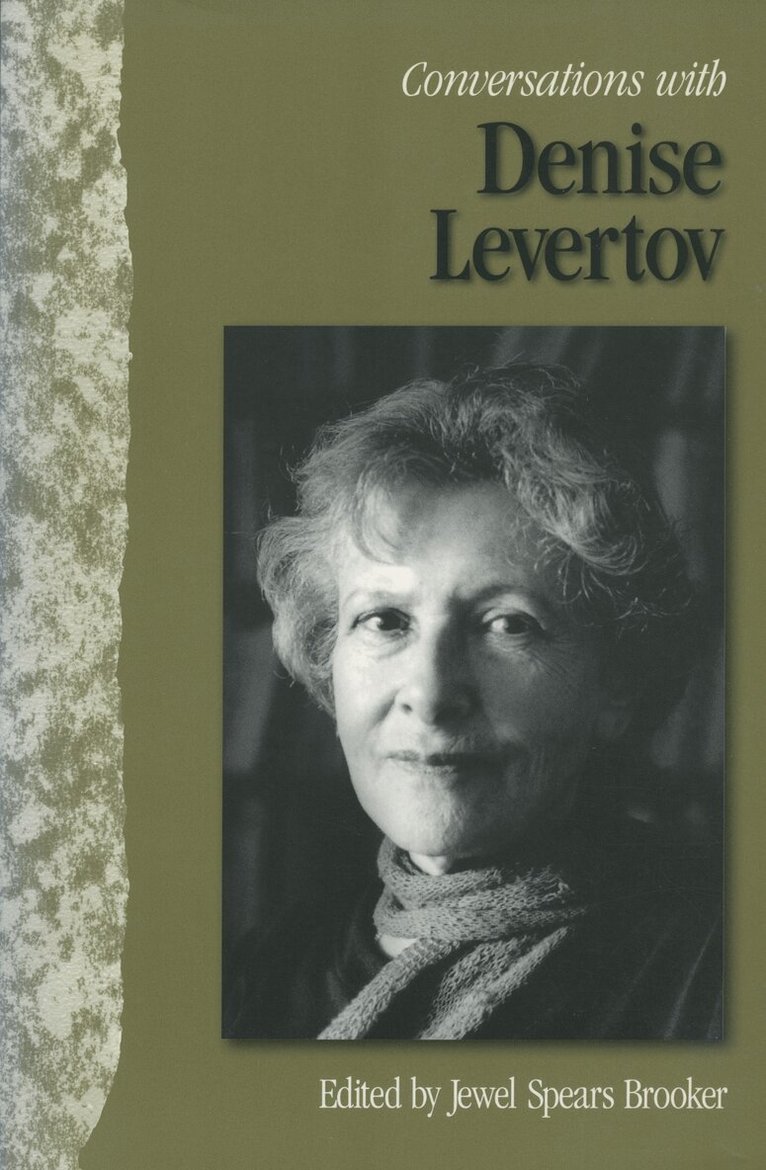
Conversations with Denise Levertov
Inbunden, 1998
650 kr
Tillfälligt slut
Denise Levertov, American poet and activist, died in December 1997 at the age of 74. This book contains some twenty previously uncollected interviews conducted between the early 1960s and the middle of the 1990s. They are focused primarily on her work as a poet but also on her social and political …
Conversations with Denise Levertov
Häftad, 1998
377 kr
Tillfälligt slut
Denise Levertov, American poet and activist, died in December 1997 at the age of 74. This book contains some twenty previously uncollected interviews conducted between the early 1960s and the middle of the 1990s. They are focused primarily on her work as a poet but also on her social and political …