Jill Cook – författare
Visar alla böcker från författaren Jill Cook. Handla med fri frakt och snabb leverans.
3 produkter
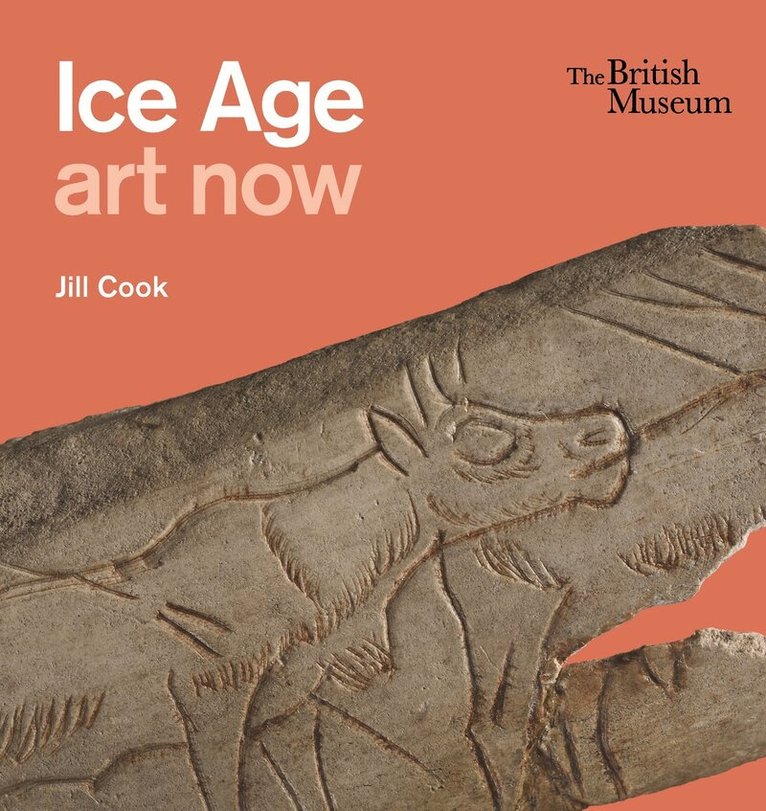
Ice Age art now
Av Jill Cook
Häftad, 2025
157 kr
Lägg i varukorg
A beautifully illustrated book that demonstrates how artistic creativity existed thousands of years before traditional art histories suggest, as an essential part of human life.Ice Age art now presents extraordinary drawn and sculpted images from the final 20,000 years of the last Ice Age in the …
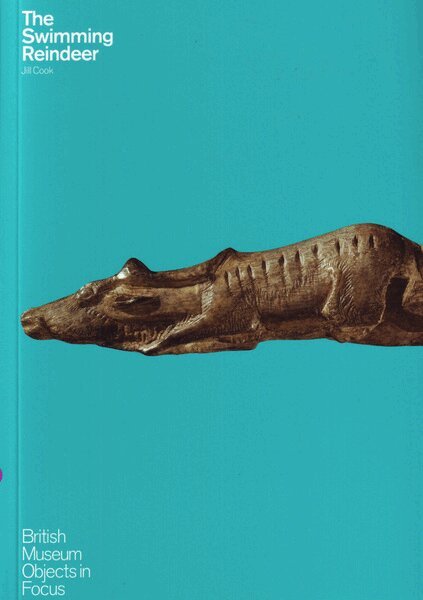
Object in Focus: The Swimming Reindeer
Av Jill Cook
Häftad, 2010
67 kr
Tillfälligt slut
Discovered in 1866 as two separate pieces and acquired by the British Museum in 1887, the sculpture known as the ‘swimming reindeer’ depicts a male and a female reindeer with their heads up and legs extended, and was created at least 13,000 years ago. The sculpture is 22 cm long and was carved from …
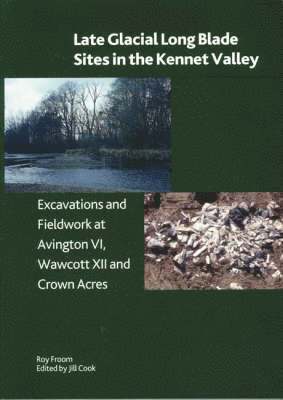
Late Glacial Long Llade Sites in the Kennet Valley
Excavations and Fieldwork at Avington VI, Wawcott XII and Crown Acres
Häftad, 2012
616 kr
Tillfälligt slut
10,000 years ago, late Ice Age and early post-glacial communities moved through the Kennet Valley to the Thames, following game and taking advantage of sheltered positions to make their camps. Favourable geological conditions in the neighbourhood of Newbury have preserved several of these camp …