Jill Journeaux - Böcker
Visar alla böcker från författaren Jill Journeaux. Handla med fri frakt och snabb leverans.
3 produkter
3 produkter
1 314 kr
Skickas inom 10-15 vardagar
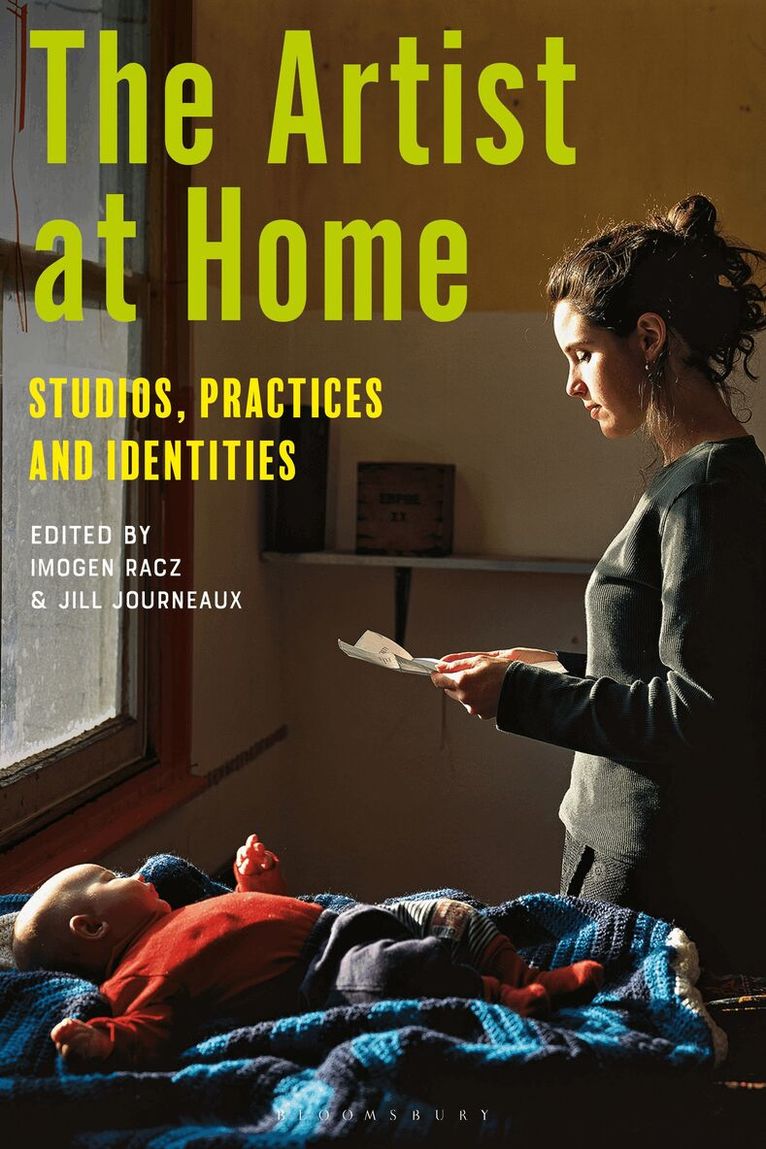
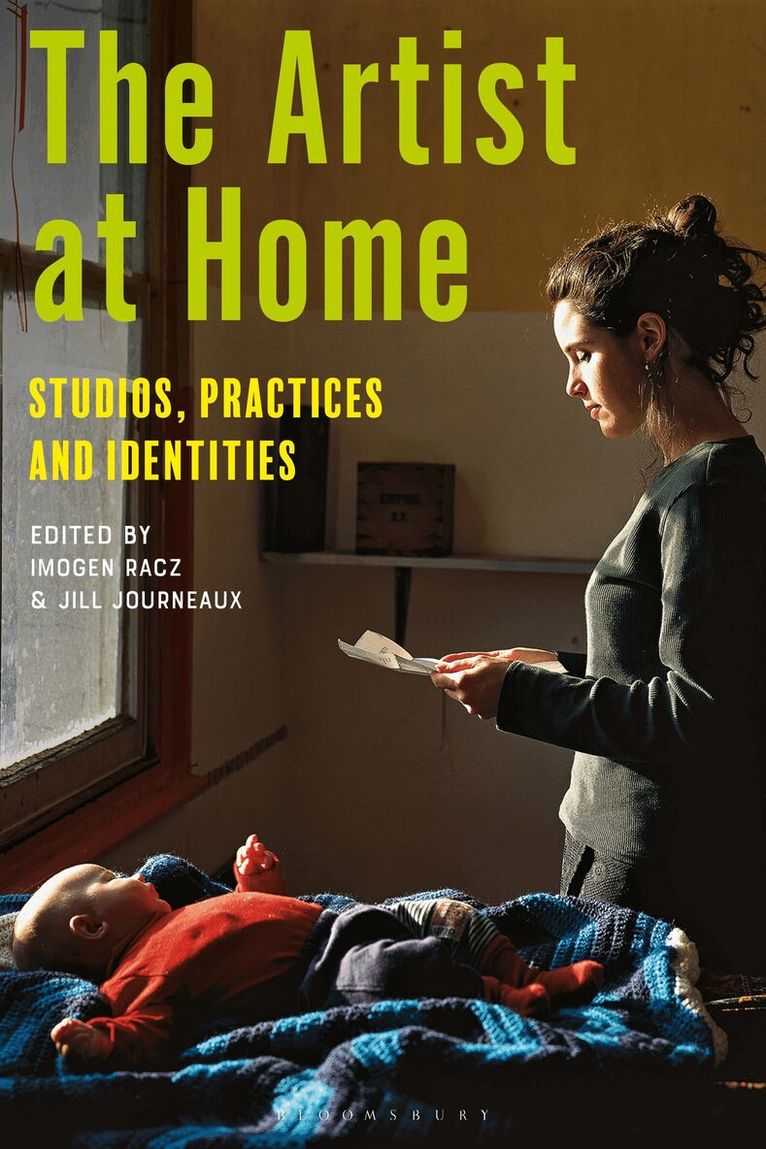
Artists have worked from home for many reasons, including care duties, financial or political constraints, or availability and proximity to others.From the ‘home studios’ of Charles and Ray Eames, to the different photographic representations of Robert Rauschenberg’s studio, this book explores the home as a distinct site of artistic practice, and the traditions and developments of the home studio as concept and space throughout the 20th and into the 21st century.Using examples from across Europe and the Anglophone world between the mid-20th century and the present, each chapter considers the different circumstances for working at home, the impact on the creative lives of the artists, their identities as artists and on the work itself, and how, sometimes, these were projected and promoted through photographs and the media. Key themes include the gendered and performative aspects of women practising ‘at home’, collaborative studio communities of the 1970s – 90s including the appropriation of abandoned spaces in East London, and the effects of Covid on artistic practices and family life within the spaces of ‘home’. The book comprises full-length chapters by artists, architects, art and design historians, each of whom bring different perspectives to the issues, interwoven with short interviews with artists to enrich and broaden the debates.At a time when individual relationships to home environments have been radically altered, The Artist at Home considers why some artists in previous decades either needed to or chose to work from home, producing work of vitality and integrity. Tracing this long tradition into the present, the book will provide a deeper understanding of how the home studio has affected the practices and identity of artists working in different countries, and in different circumstances, from the mid-20th century to the present.
406 kr
Skickas inom 10-15 vardagar
Artists have worked from home for many reasons, including care duties, financial or political constraints, or availability and proximity to others.From the ‘home studios’ of Charles and Ray Eames, to the different photographic representations of Robert Rauschenberg’s studio, this book explores the home as a distinct site of artistic practice, and the traditions and developments of the home studio as concept and space throughout the 20th and into the 21st century.Using examples from across Europe and the Anglophone world between the mid-20th century and the present, each chapter considers the different circumstances for working at home, the impact on the creative lives of the artists, their identities as artists and on the work itself, and how, sometimes, these were projected and promoted through photographs and the media. Key themes include the gendered and performative aspects of women practising ‘at home’, collaborative studio communities of the 1970s – 90s including the appropriation of abandoned spaces in East London, and the effects of Covid on artistic practices and family life within the spaces of ‘home’. The book comprises full-length chapters by artists, architects, art and design historians, each of whom bring different perspectives to the issues, interwoven with short interviews with artists to enrich and broaden the debates.At a time when individual relationships to home environments have been radically altered, The Artist at Home considers why some artists in previous decades either needed to or chose to work from home, producing work of vitality and integrity. Tracing this long tradition into the present, the book will provide a deeper understanding of how the home studio has affected the practices and identity of artists working in different countries, and in different circumstances, from the mid-20th century to the present.
1 158 kr
Skickas inom 7-10 vardagar
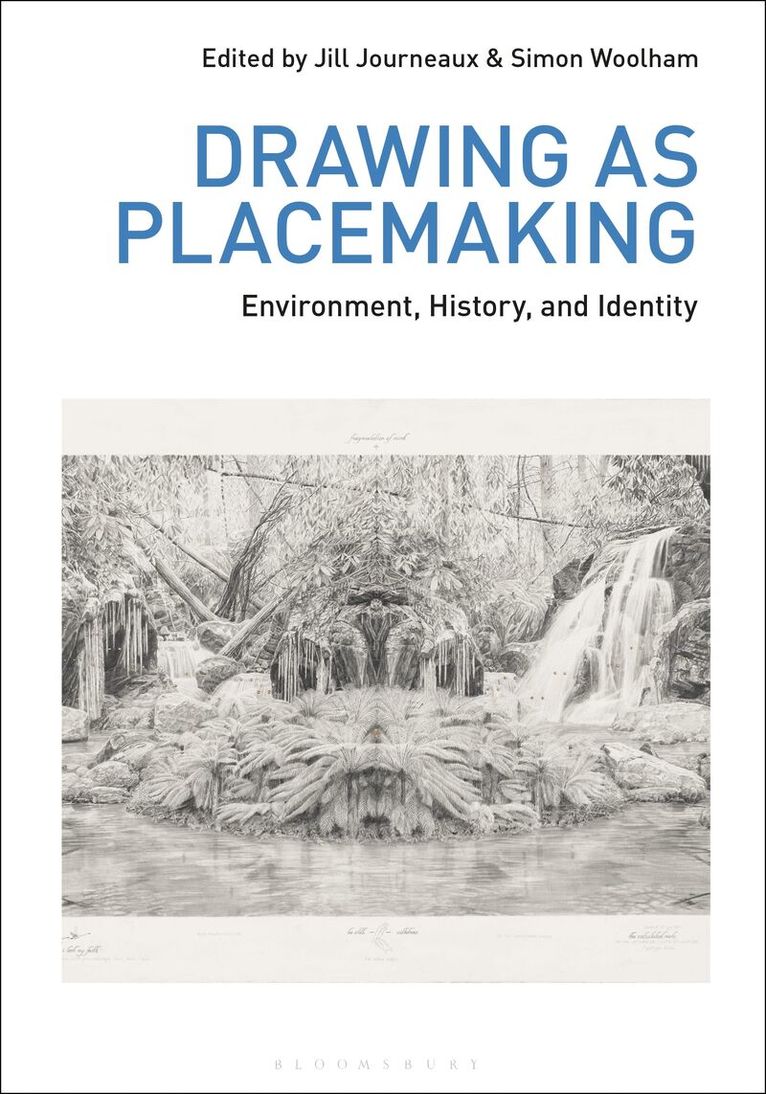
Using a combination of articles and interviews, the book introduces nine contemporary drawing projects that embrace an expansive definition of the discipline, and use their drawing practice to consider how place is understood and made.Drawing as Placemaking focuses on how drawings and drawing processes can examine and articulate our relationships to placemaking, to our concepts of home, to historical and memorial sites, to our personal histories, and to imagined and actual places.The contributing artists (from the USA, Canada, Portugal, Germany, Turkey, Japan, New Zealand, Australia and the UK) use expanded drawing approaches to present different perspectives on how drawings are made, and how they can be used to describe, analyse, reimagine, transform and to make new actual, historical, and psychological places. The artist-authored chapters and the conversations with artists are interwoven to facilitate broader conversations about our human interactions with place, through all our senses; what we can see, touch, feel and hear, alongside what we know, theorise or imagine. The re-evaluation of placemaking from a range of cultural perspectives highlights new stories whilst reconsidering older ones.The book reveals new and contemporary insights into the long historical connection between drawing and placemaking and contributes to new debates around placemaking. It offers a deeper understanding of how we use drawing to better define ourselves and our place in the world.