Jim Crossley – författare
Visar alla böcker från författaren Jim Crossley. Handla med fri frakt och snabb leverans.
10 produkter
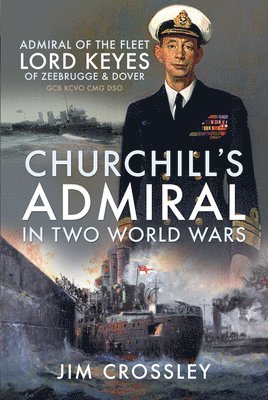
Churchill's Admiral in Two World Wars
Admiral of the Fleet Lord Keyes of Zeebrugge and Dover GCB KCVO CMG DSO
Av Jim Crossley
Häftad, 2021
187 kr
Lägg i varukorg
Roger Keyes was the archetype of 19th to 20th century Royal Navy officers. A superb seaman, inspiring leader and fearless fighter he immediately caught the eye of senior figures in the naval establishment as well as the up and coming politician, Winston Churchill. The relationship between these two …
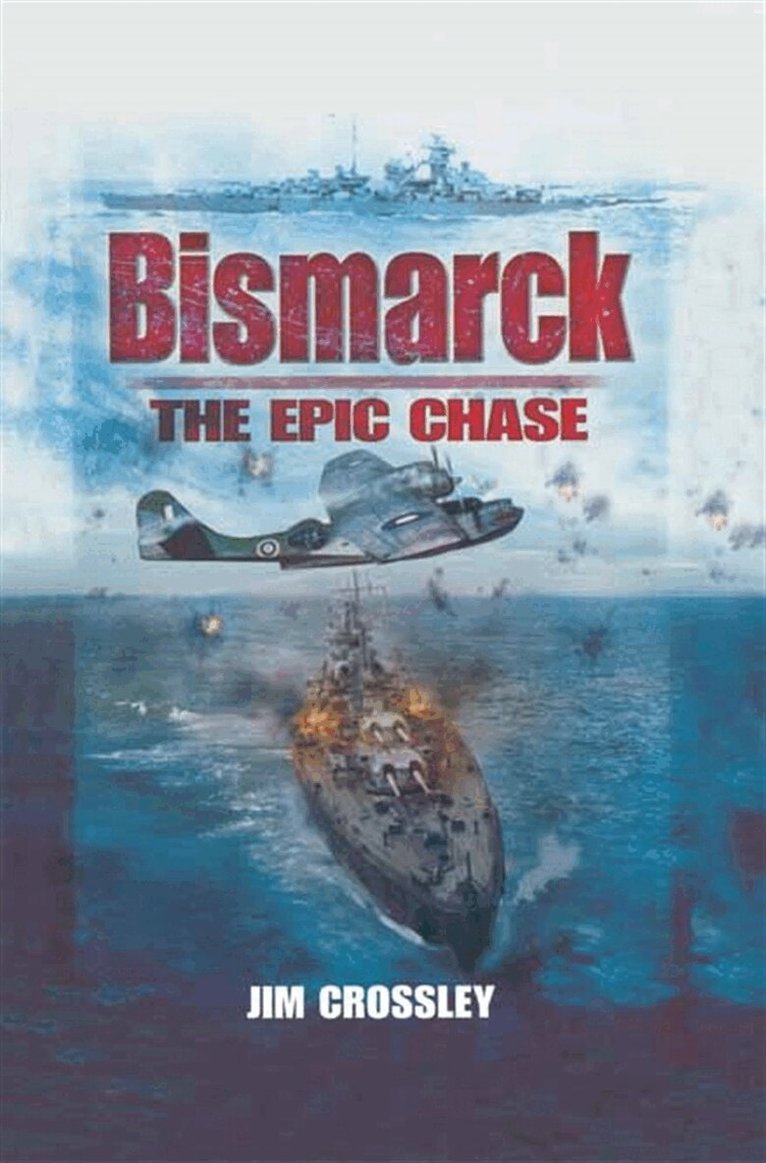
Bismarck
The Epic Chase
Av Jim Crossley
E-bok, 2021
127 kr
Lägg i varukorg
When the German Battleship Bismarck was commissioned in 1940 she was one of the fastest and most powerful ships afloat. To the Royal Navy and the security of Allied shipping in the Atlantic she posed an enormous threat – she must be destroyed. When she broke out into the Atlantic in 1941, some of …
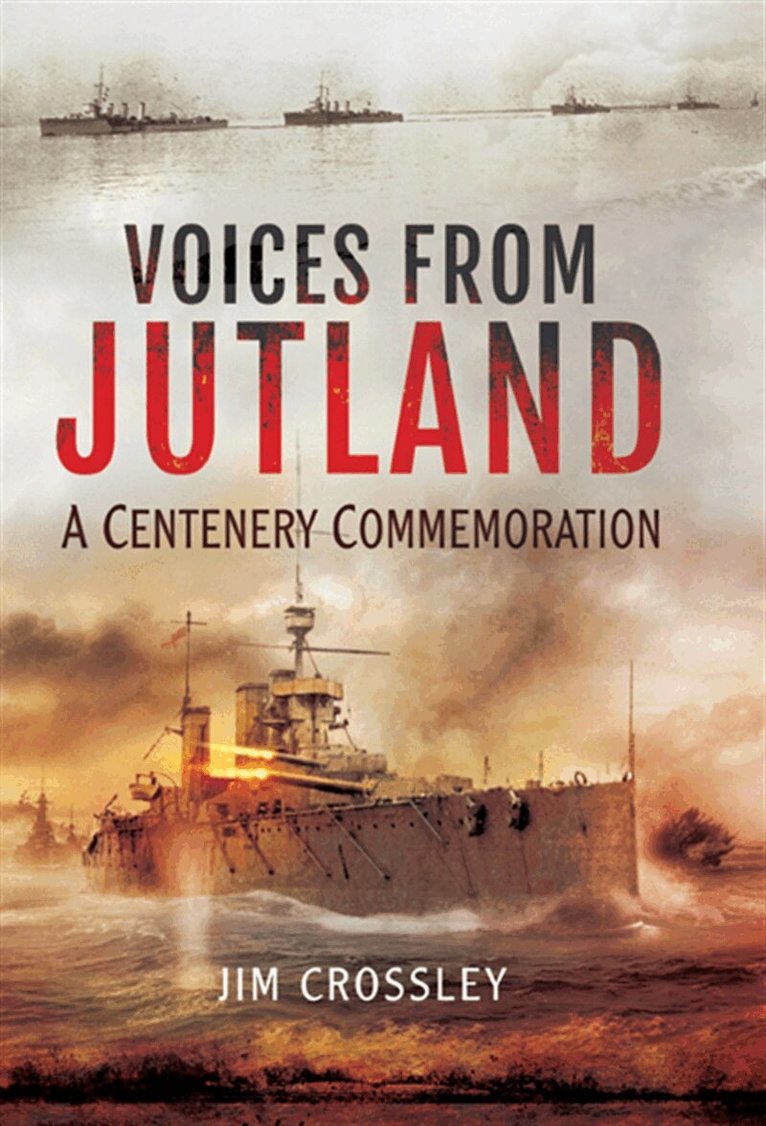
Voices From Jutland
A Centenary Commemoration
Av Jim Crossley
E-bok, 2021
127 kr
Lägg i varukorg
Jutland was the only major fleet engagement to take place during the First World War, and indeed the only time in history in which columns of great dreadnought battleships fought each other. In spite of terrible losses of life, the battle did nothing to change the strategic situation in northern …
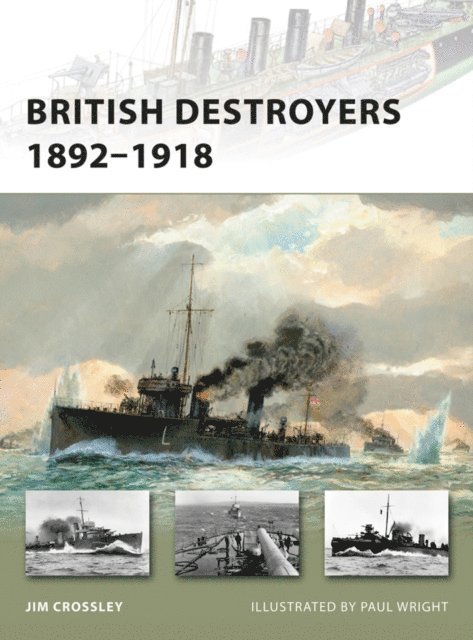
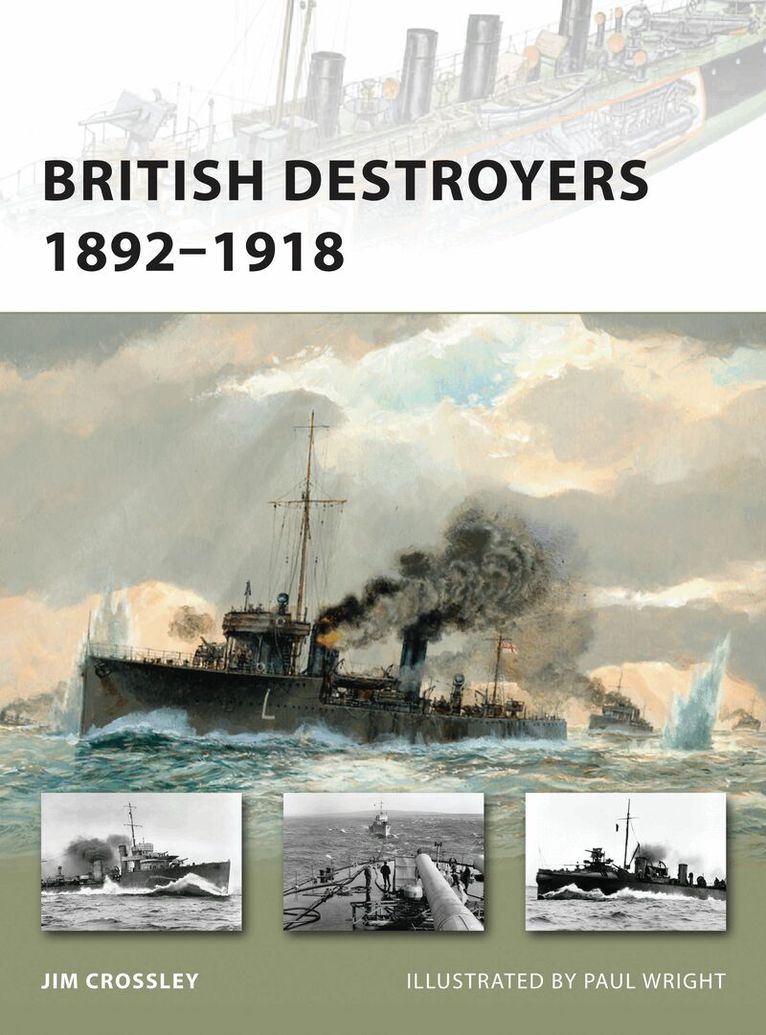
British Destroyers 1892–1918
Av Jim Crossley
E-bok, 2012
180 kr
Lägg i varukorg
A history of the first destroyers of the Royal Navy, which revolutionized the way war was fought at sea with new armaments and a great improvement on earlier designs. Between 1892, when the first destroyers were laid down, and 1918, destroyers evolved radically from 27-knot, 250-ton ships into …
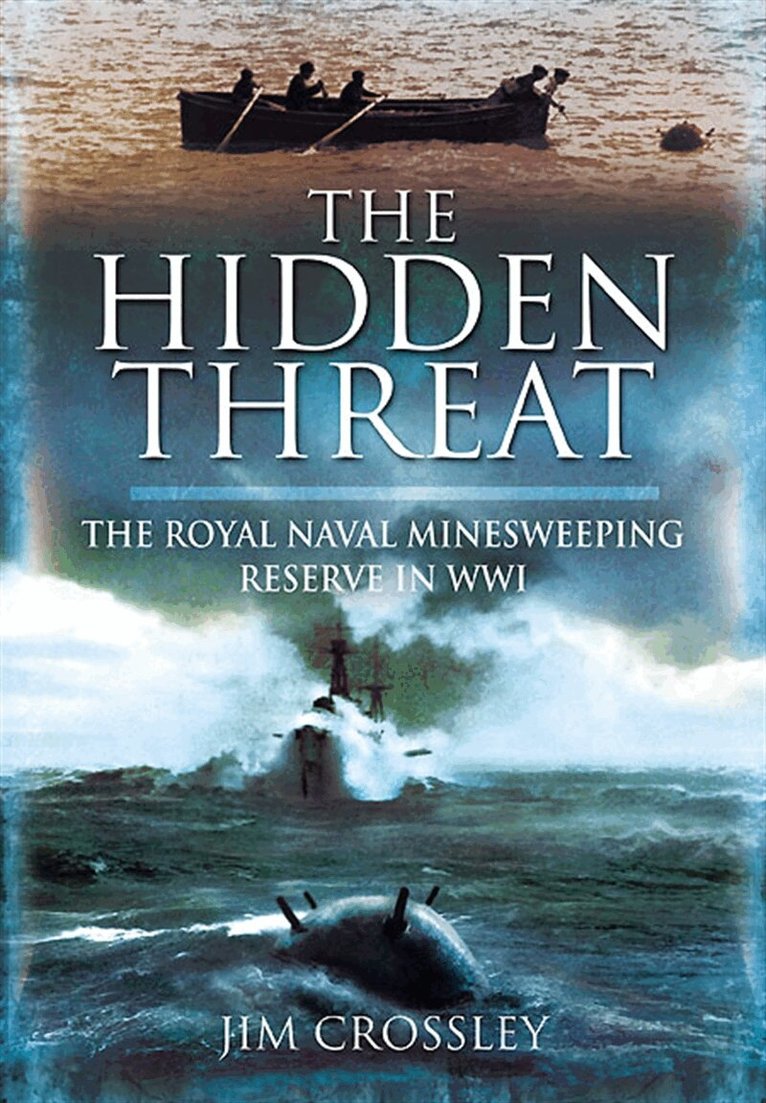
The Hidden Threat
Mines and Minesweeping Reserve in WWI
Av Jim Crossley
E-bok, 2021
79 kr
Lägg i varukorg
It is not widely remembered that mines were by far the most effective weapon deployed against the British Royal Navy in WW1, costing them 5 battleships, 3 cruisers, 22 destroyers, 4 submarines and a host of other vessels. They were in the main combated by a civilian force using fishing boats and …
Hidden Threat
Mines and Minesweeping Reserve in WWI
Av Jim Crossley
E-bok, 2011
15 kr
Lägg i varukorg
It is not widely remembered that mines were by far the most effective weapon deployed against the British Royal Navy in WW1, costing them 5 battleships, 3 cruisers, 22 destroyers, 4 submarines and a host of other vessels. They were in the main combated by a civilian force using fishing boats and …
Monitors of the Royal Navy
How the Fleet Brought the Great Guns to Bear
Av Jim Crossley
E-bok, 2013
86 kr
Lägg i varukorg
A history of the origins, design and effectiveness of the British Royal Navy''s monitor warships during world wars I and II.Monitor warships mounted the biggest guns ever deployed by the Royal Navy, and played an undeniably important part in Allied efforts during World War One and Two. They were …
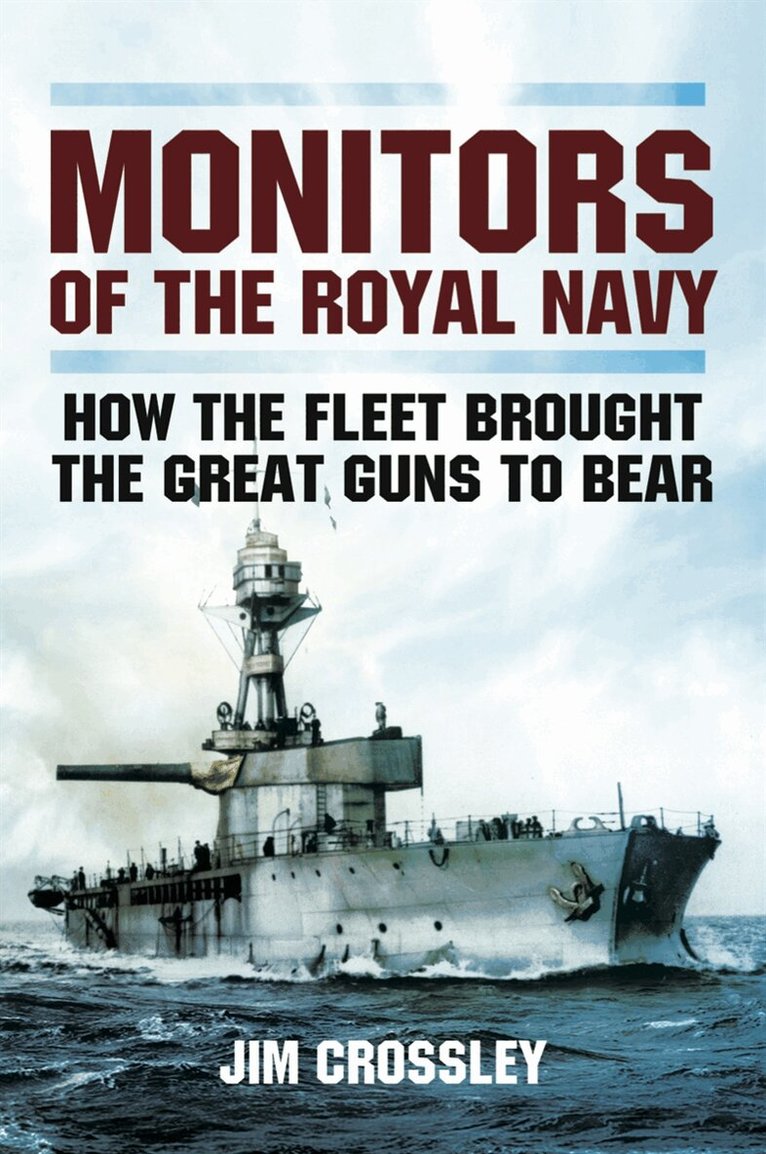
Monitors of the Royal Navy
How the Fleet Brought the Great Guns to Bear
Av Jim Crossley
E-bok, 2021
123 kr
Lägg i varukorg
Monitor warships mounted the biggest guns ever deployed by the Royal Navy, and played an undeniably important part in Allied efforts during World War One and Two. They were built as cheap "disposable" ships made out of redundant bits and pieces which the Admiralty happened to have available which …
British Destroyers 1892–1918
Av Jim Crossley
Häftad, 2009
156 kr
Lägg i varukorg
A history of the first destroyers of the Royal Navy, which revolutionized the way war was fought at sea with new armaments and a great improvement on earlier designs.Between 1892, when the first destroyers were laid down, and 1918, destroyers evolved radically from 27-knot, 250-ton ships into …
British Destroyers 1892–1918
Av Jim Crossley
E-bok, 2012
180 kr
Lägg i varukorg
A history of the first destroyers of the Royal Navy, which revolutionized the way war was fought at sea with new armaments and a great improvement on earlier designs. Between 1892, when the first destroyers were laid down, and 1918, destroyers evolved radically from 27-knot, 250-ton ships into …