Jim Moran – författare
Visar alla böcker från författaren Jim Moran. Handla med fri frakt och snabb leverans.
17 produkter
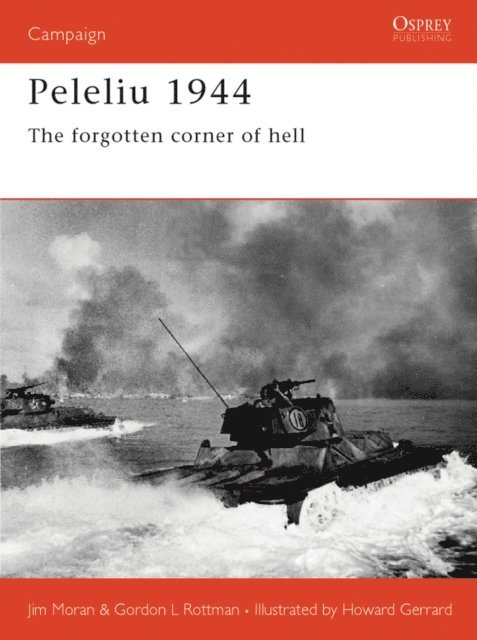
Peleliu 1944
The Forgotten Corner of Hell
Av Jim Moran, Gordon L. Rottman
E-bok, 2013
243 kr
Lägg i varukorg
A highly-illustrated examination of the controversial battle for Peleliu. Equalling Tarawa, Iwo Jima and Okinawa in scale and ferocity, Peleliu has long been regarded as the Pacific War''s “forgotten battle”, and perhaps one that should never have been fought. A massive carrier-based attack some …
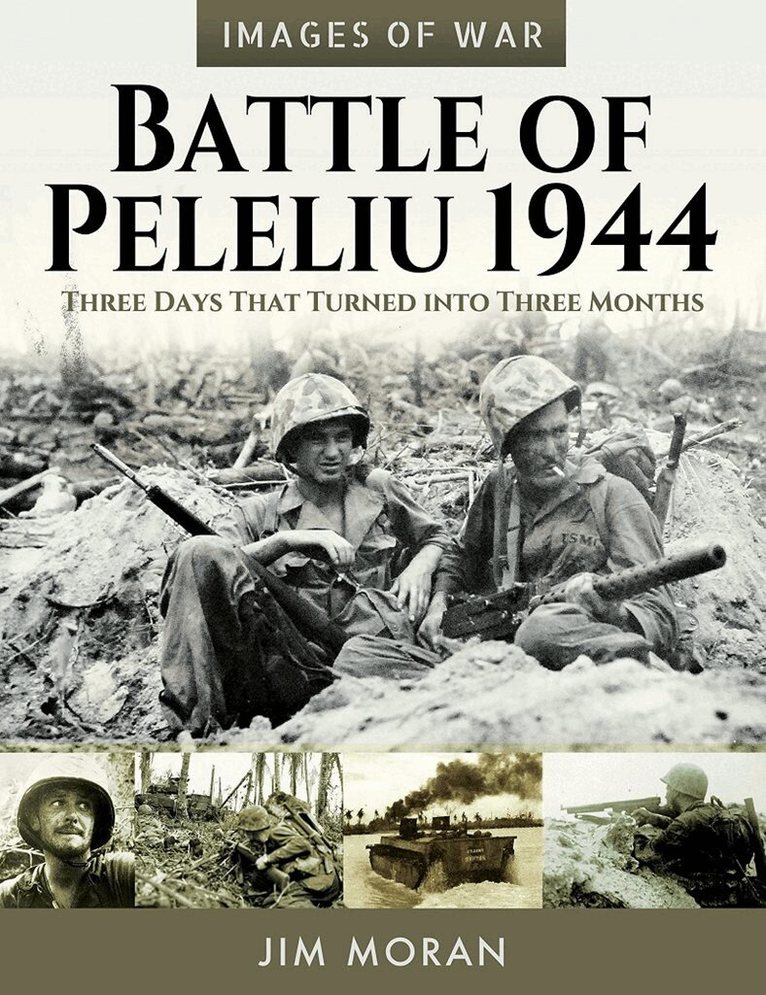
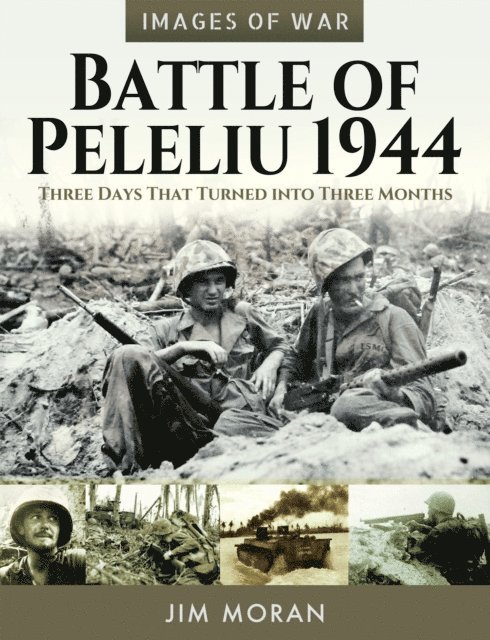
Battle of Peleliu, 1944
Three Days That Turned into Three Months
Av Jim Moran
Häftad, 2021
192 kr
Lägg i varukorg
After the Allies had defeated the Japanese in the Solomons and the Dutch East Indies, the capture of the Philippines became General MacArthur's next objective. For this offensive to succeed, MacArthur felt compelled to secure his eastern flank by seizing control of the Palau Islands, one of which …
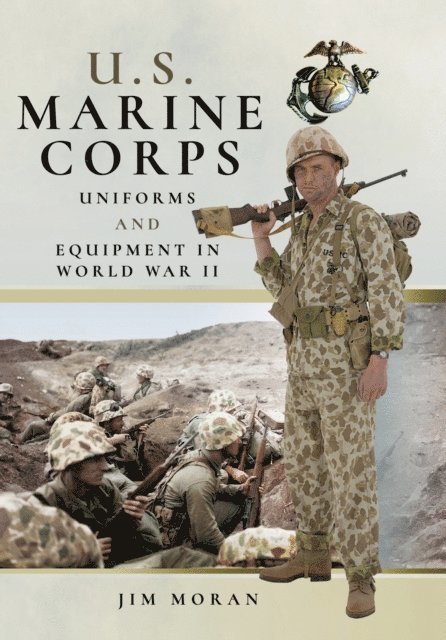
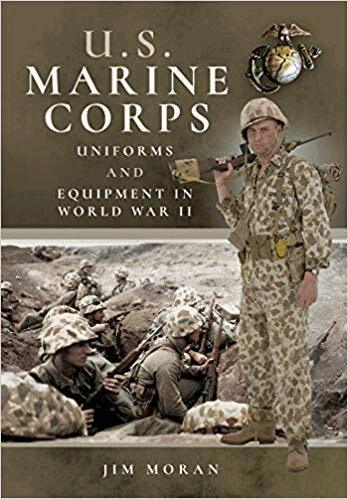
U.S. Marine Corps Uniforms and Equipment in World War II
Av Jim Moran
E-bok, 2017
154 kr
Lägg i varukorg
The United States Marine Corps was one of the phenomena of the Second World War. Greatly expanded from its prewar order of battle of scattered defense battalions, overseas garrisons and ship detachments, it became a multi-division force bearing the brunt of the hardest fighting across the whole …
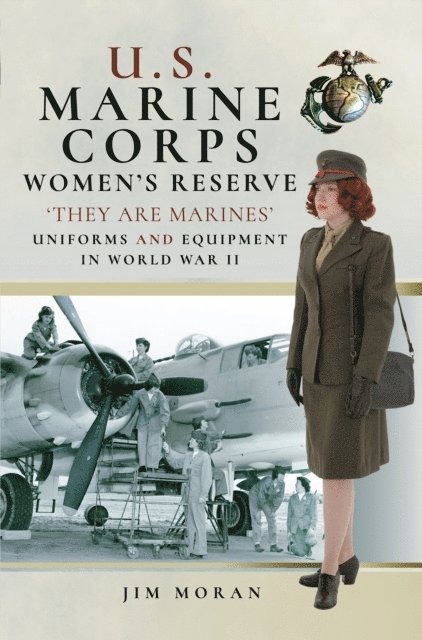
U.S. Marine Corps Women's Reserve
''They Are Marines'': Uniforms and Equipment in World War II
Av Jim Moran
E-bok, 2017
103 kr
Lägg i varukorg
The little known story of these female reservists and the role they played in WWII, packed with photos. When US Marine Commandant Maj. Gen. Thomas Holcomb announced the formation of what became the US Marine Corps'' Women''s Reserve, legend has it, the portrait of one of his predecessors fell off …
US Marine Corps Uniforms and Equipment in World War II
Av Jim Moran
Häftad, 2019
187 kr
Lägg i varukorg
The United States Marine Corps was one of the phenomena of the Second World War. Greatly expanded from its pre-war order of battle of scattered defence battalions, overseas garrisons and ship detachments, it became a multi-division force bearing the brunt of the hardest fighting across the whole …
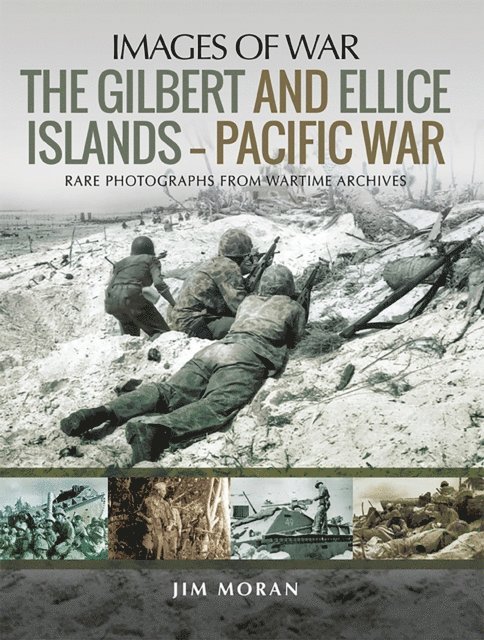
Gilbert and Ellice Islands-Pacific War
Av Jim Moran
E-bok, 2019
150 kr
Lägg i varukorg
A pictorial history of US assaults on these Japanese-occupied islands during World War II. This book in the Images of War series covers the dramatic events that befell both the Gilbert and Ellice Pacific island groups using a wealth of photos and informed text. Soon after the attack on Pearl Harbor …
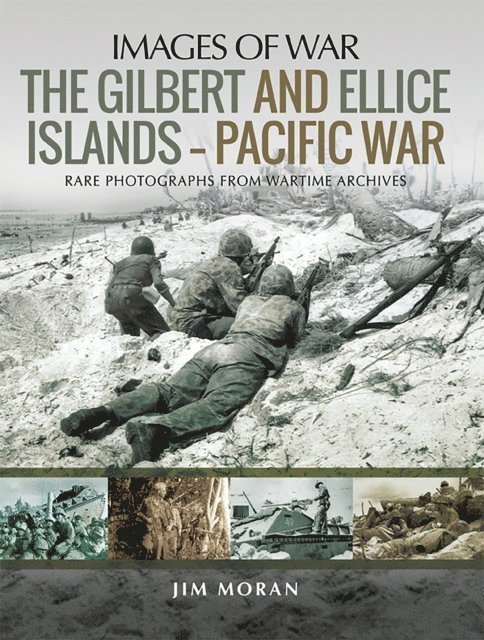
Gilbert and Ellice Islands-Pacific War
Av Jim Moran
E-bok, 2019
150 kr
Lägg i varukorg
A pictorial history of US assaults on these Japanese-occupied islands during World War II. This book in the Images of War series covers the dramatic events that befell both the Gilbert and Ellice Pacific island groups using a wealth of photos and informed text. Soon after the attack on Pearl Harbor …
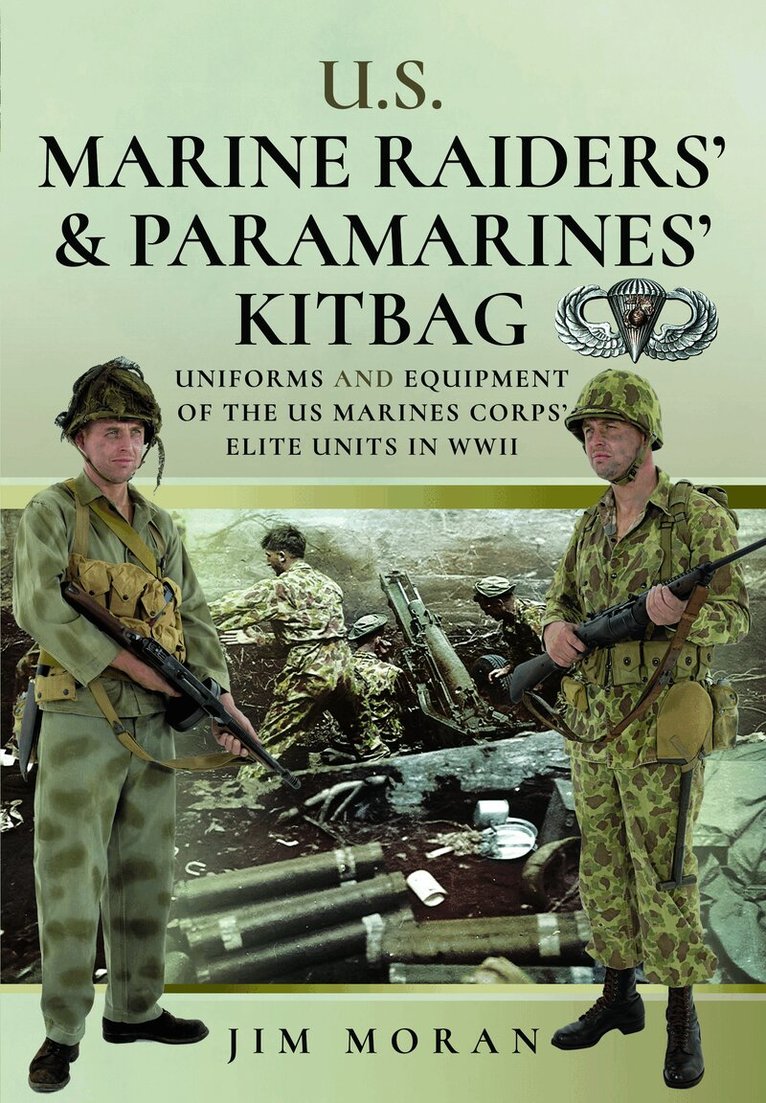
US Raiders and Paramarines' Kitbag
Uniforms and Equipment of the US Marines Corps' Elite Units in WWII
Av Jim Moran
Inbunden, 2025
324 kr
Lägg i varukorg
During World War II, the United States Marine Corps (USMC) evolved into a powerful multi-division force, playing a central role in the Pacific theater. Among its lesser-known units were the Paramarines and the Raiders.The Paramarines, the Marine parachute troops, were formed in 1942, with the first …
Battle of Peleliu, 1944
Three Days That Turned into Three Months
Av Jim Moran
E-bok, 2021
157 kr
Lägg i varukorg
After the Allies had defeated the Japanese in the Solomons and the Dutch East Indies, the capture of the Philippines became General MacArthur''s next objective. For this offensive to succeed, MacArthur felt compelled to secure his eastern flank by seizing control of the Palau Islands, one of which …
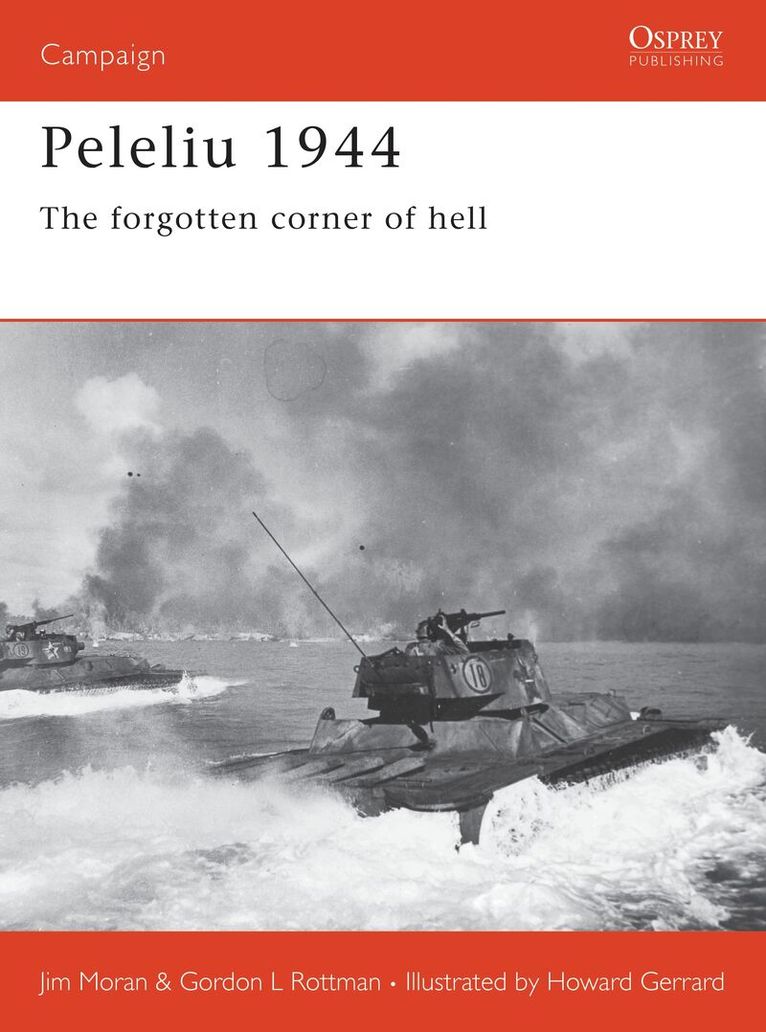
Peleliu 1944
The forgotten corner of hell
Av Jim Moran, Gordon L. Rottman
Häftad, 2002
208 kr
Lägg i varukorg
A highly-illustrated examination of the controversial battle for Peleliu.Equalling Tarawa, Iwo Jima and Okinawa in scale and ferocity, Peleliu has long been regarded as the Pacific War’s “forgotten battle”, and perhaps one that should never have been fought. A massive carrier-based attack some …
Peleliu 1944
The Forgotten Corner of Hell
Av Jim Moran, Gordon L. Rottman
E-bok, 2011
243 kr
Lägg i varukorg
A highly-illustrated examination of the controversial battle for Peleliu. Equalling Tarawa, Iwo Jima and Okinawa in scale and ferocity, Peleliu has long been regarded as the Pacific War''s “forgotten battle”, and perhaps one that should never have been fought. A massive carrier-based attack some …
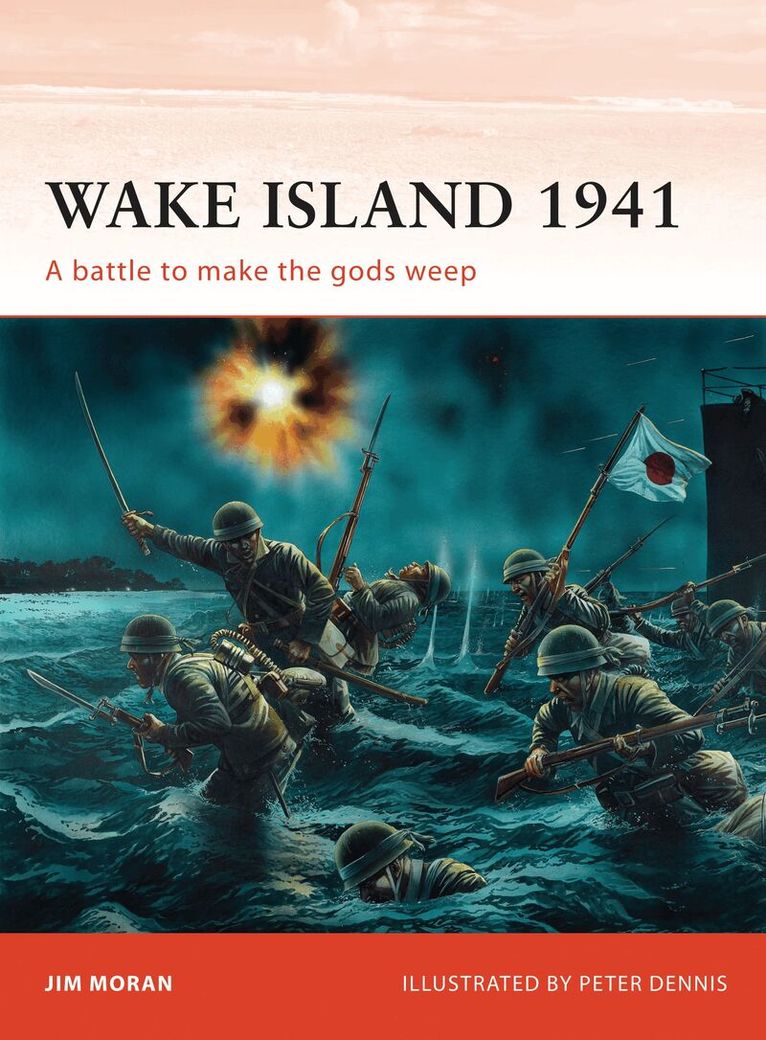
Wake Island 1941
A battle to make the gods weep
Av Jim Moran
Häftad, 2011
208 kr
Lägg i varukorg
An illustrated examination of the daring last stand by a collection of marines, sailors, and other service personnel on Wake Island in World War II - one of the legendary stories of American military history.On the same day that the Japanese attacked Pearl Harbor, they also launched air attacks on …
Wake Island 1941
A Battle to Make the Gods Weep
Av Jim Moran
E-bok, 2011
238 kr
Lägg i varukorg
An illustrated examination of the daring last stand by a collection of marines, sailors, and other service personnel on Wake Island in World War II - one of the legendary stories of American military history. On the same day that the Japanese attacked Pearl Harbor, they also launched air attacks on …
Wake Island 1941
A Battle to Make the Gods Weep
Av Jim Moran
E-bok, 2011
238 kr
Lägg i varukorg
An illustrated examination of the daring last stand by a collection of marines, sailors, and other service personnel on Wake Island in World War II - one of the legendary stories of American military history. On the same day that the Japanese attacked Pearl Harbor, they also launched air attacks on …
RV Information Source: A Guide for New and Experienced Enthusiasts
Av Jim Moran
Häftad
186 kr
Lägg i varukorg