Jim Perry - Böcker
Visar alla böcker från författaren Jim Perry. Handla med fri frakt och snabb leverans.
8 produkter
8 produkter
1 490 kr
Skickas inom 7-10 vardagar
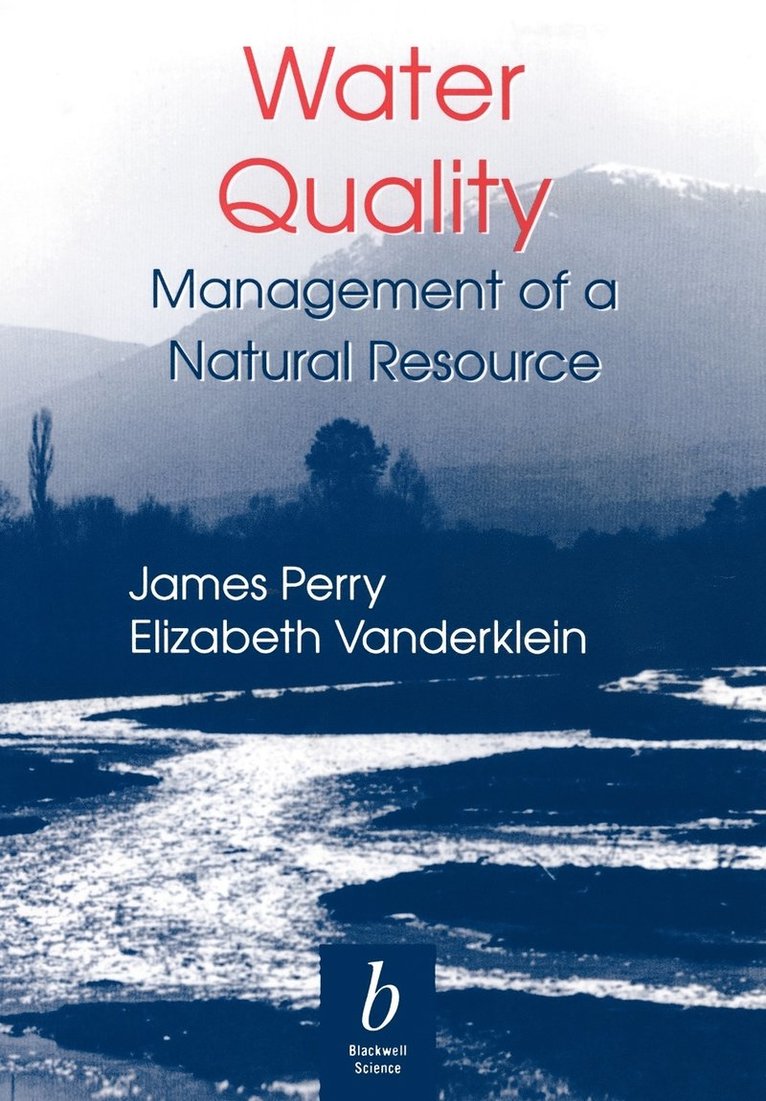
Once a purely technical sub-discipline of hydrology, water quality management is now a social and political discipline, with concerns ranging from ensuring adequate health standards to preserving biological diversity and ecosystem integrity. This book goes beyond the technical manuals and specialty publications to provide support and guidance for the everyday decisions made by water-quality managers. Water Quality: Management of a Natural Resource addresses the rarely touched upon social, biophysical, land-use and policy considerations, which reflect the issues that confront managers and decision-makers. In a series of incisive reviews, experts address key topics in modern water resource management and case studies illustrate the successes and failures of past management efforts. Water Quality: Management of a Natural Resource develops and presents a management view requiring an awareness of: the social context of management, new ecological theories, and how policy is implemented in different situations and countries.
536 kr
Skickas inom 10-15 vardagar
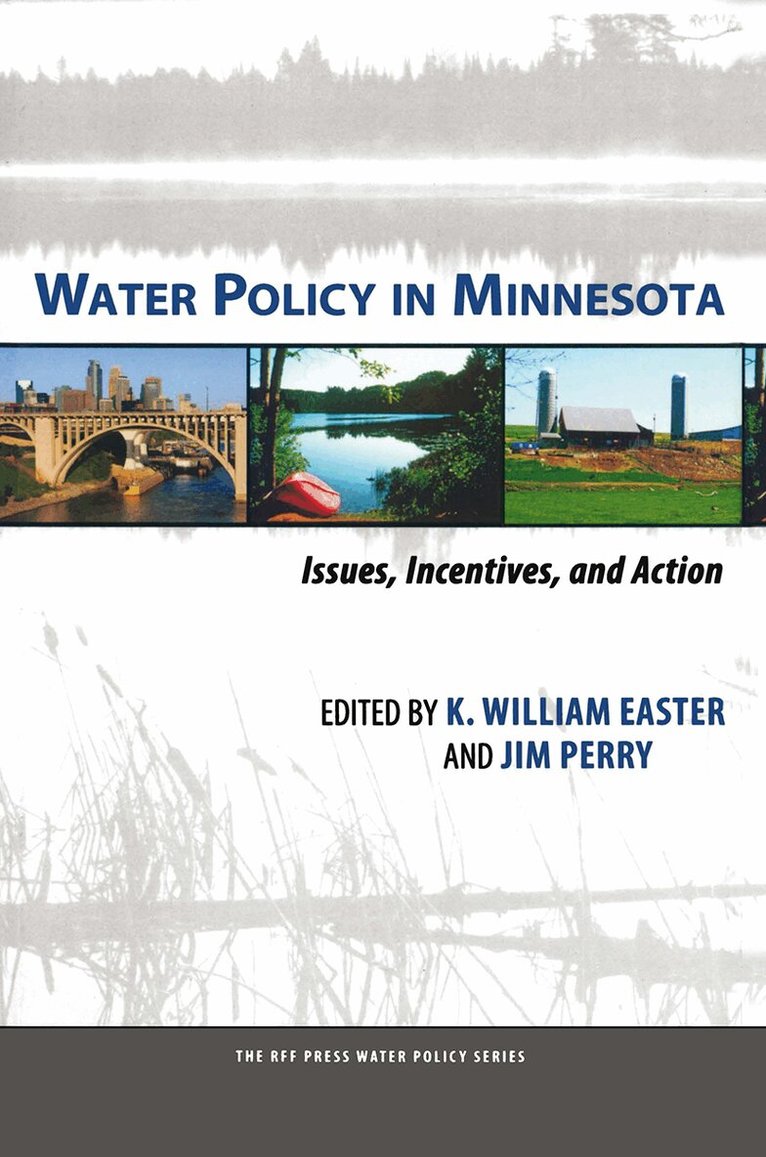
Minnesota has a unique role in U.S. water policy. Hydrologically, it is a state with more than 12,000 lakes, an inland sea, and the headwaters of three major river systems: the St Lawrence, the Red River of the North, and the Mississippi. Institutionally, Minnesota is also unique. All U.S. states use Total Maximum Daily Load (TMDL) approaches to addressing impaired waters. Every TMDL requires a substantial investment of resources, including data collection, modeling, stakeholder input and analysis, a watershed management plan, as well as process and impact monitoring. Minnesota is the only state in the union that has passed legislation (the 2007 Clean Water Legacy Act) providing significant resources to support the TMDL process. The book will be an excellent guide for policymakers and decision makers who are interested in learning about alternative approaches to water management. Non-governmental organizations interested in stimulating effective water quality policy will also find this a helpful resource. Finally, there are similarities between the lessons learned in Minnesota and the goals of water policy in several other states and nations, where there are competing uses of water for households, agriculture, recreation, and navigation.
2 088 kr
Skickas inom 10-15 vardagar
Climate change is a critical issue for heritage studies. Sites, objects and ways of life all are coming under threat, requiring alternative management, or requiring specific climate change adaptation. Heritage is key to interpreting the societal significance of climate change; notions (and images) of the past are crucial to our understanding of the present, and are used to prompt actions that help society define and achieve a specific and desired future.Relatively little attention has been paid to the critical intersections between heritage and climate change. The Future of Heritage as Climates Change frames the intellectual context within which heritage and climate change can be examined, presenting cases and sub-fields in which the heritage-climate change nexus is being examined and provides synthetic analyses through five overarching themes: The heritage of change among coastal communities: liminality and the politics of engagement Dwelling materials: processes and possibilities; Environmental heritage: meanings of the past – prospects for the future; Blurring the boundaries of nature and culture: the politics of anticipation; Climate change and heritage practice: adaptation and resilience. The Future of Heritage as Climates Change provides scholars, managers, policy makers and students with a much needed examination of heritage and climate change to help make critical decisions in the next several decades.
717 kr
Skickas inom 10-15 vardagar
Climate change is a critical issue for heritage studies. Sites, objects and ways of life all are coming under threat, requiring alternative management, or requiring specific climate change adaptation. Heritage is key to interpreting the societal significance of climate change; notions (and images) of the past are crucial to our understanding of the present, and are used to prompt actions that help society define and achieve a specific and desired future.Relatively little attention has been paid to the critical intersections between heritage and climate change. The Future of Heritage as Climates Change frames the intellectual context within which heritage and climate change can be examined, presenting cases and sub-fields in which the heritage-climate change nexus is being examined and provides synthetic analyses through five overarching themes: The heritage of change among coastal communities: liminality and the politics of engagement Dwelling materials: processes and possibilities; Environmental heritage: meanings of the past – prospects for the future; Blurring the boundaries of nature and culture: the politics of anticipation; Climate change and heritage practice: adaptation and resilience. The Future of Heritage as Climates Change provides scholars, managers, policy makers and students with a much needed examination of heritage and climate change to help make critical decisions in the next several decades.
194 kr
Skickas inom 5-8 vardagar
1 954 kr
Skickas inom 10-15 vardagar
Minnesota has a unique role in U.S. water policy. Hydrologically, it is a state with more than 12,000 lakes, an inland sea, and the headwaters of three major river systems: the St Lawrence, the Red River of the North, and the Mississippi. Institutionally, Minnesota is also unique. All U.S. states use Total Maximum Daily Load (TMDL) approaches to addressing impaired waters. Every TMDL requires a substantial investment of resources, including data collection, modeling, stakeholder input and analysis, a watershed management plan, as well as process and impact monitoring. Minnesota is the only state in the union that has passed legislation (the 2007 Clean Water Legacy Act) providing significant resources to support the TMDL process. The book will be an excellent guide for policymakers and decision makers who are interested in learning about alternative approaches to water management. Non-governmental organizations interested in stimulating effective water quality policy will also find this a helpful resource. Finally, there are similarities between the lessons learned in Minnesota and the goals of water policy in several other states and nations, where there are competing uses of water for households, agriculture, recreation, and navigation.
157 kr
Skickas inom 5-8 vardagar
296 kr
Skickas inom 5-8 vardagar