1 623 kr
Skickas inom 10-15 vardagar
1 623 kr
Skickas inom 10-15 vardagar
2 418 kr
Skickas inom 10-15 vardagar
666 kr
Skickas inom 10-15 vardagar
788 kr
Läs direkt efter köp
788 kr
Läs direkt efter köp
2 044 kr
Läs direkt efter köp
3 652 kr
Skickas inom 10-15 vardagar
Potential and Performance
1 623 kr
Skickas inom 10-15 vardagar
535 kr
Skickas inom 10-15 vardagar
989 kr
Läs direkt efter köp
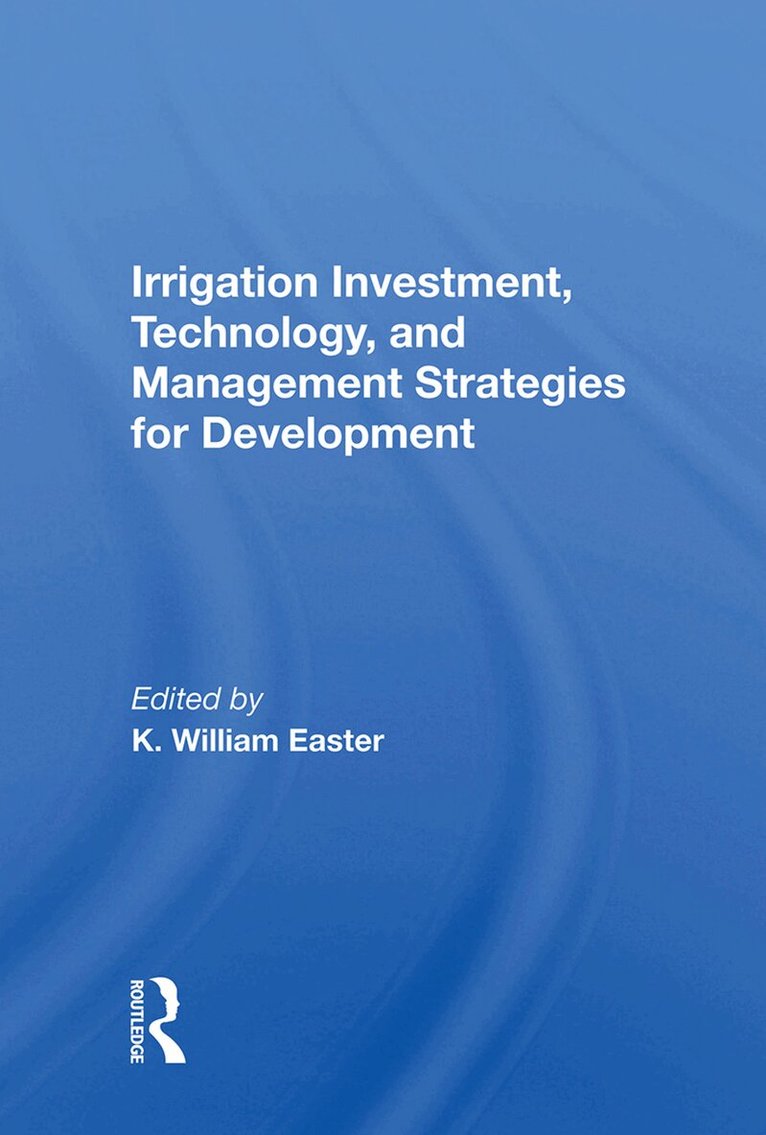
Howe and Easter analyze existing evidence on direct and indirect benefits attributable to water, as well as the potential costs of interbasin transfers, and examine feasibility of alternatives.
Originally published in 1971
992 kr
Läs direkt efter köp
Howe and Easter analyze existing evidence on direct and indirect benefits attributable to water, as well as the potential costs of interbasin transfers, and examine feasibility of alternatives.
Originally published in 1971
633 kr
Läs direkt efter köp
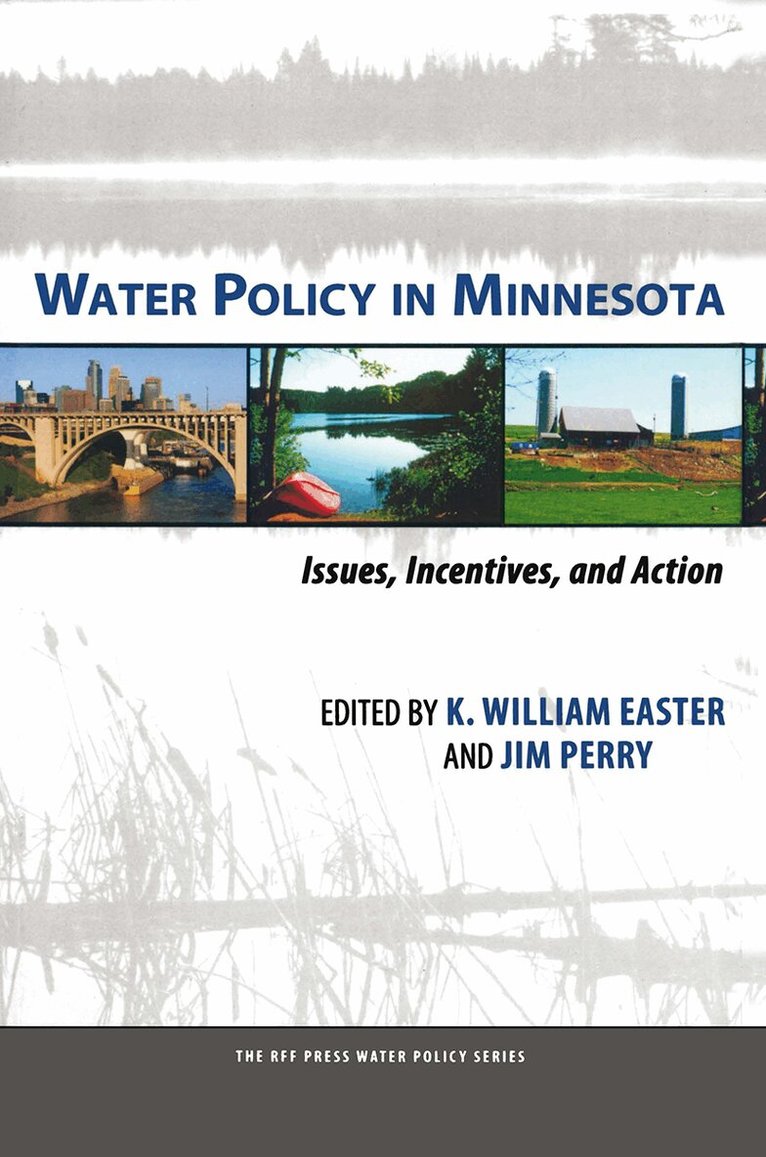
Minnesota has a unique role in U.S. water policy. Hydrologically, it is a state with more than 12,000 lakes, an inland sea, and the headwaters of three major river systems: the St Lawrence, the Red River of the North, and the Mississippi. Institutionally, Minnesota is also unique. All U.S. states use Total Maximum Daily Load (TMDL) approaches to addressing impaired waters. Every TMDL requires a substantial investment of resources, including data collection, modeling, stakeholder input and analysis, a watershed management plan, as well as process and impact monitoring. Minnesota is the only state in the union that has passed legislation (the 2007 Clean Water Legacy Act) providing significant resources to support the TMDL process.
The book will be an excellent guide for policymakers and decision makers who are interested in learning about alternative approaches to water management. Non-governmental organizations interested in stimulating effective water quality policy will also find this a helpful resource. Finally, there are similarities between the lessons learned in Minnesota and the goals of water policy in several other states and nations, where there are competing uses of water for households, agriculture, recreation, and navigation.
690 kr
Läs direkt efter köp
Minnesota has a unique role in U.S. water policy. Hydrologically, it is a state with more than 12,000 lakes, an inland sea, and the headwaters of three major river systems: the St Lawrence, the Red River of the North, and the Mississippi. Institutionally, Minnesota is also unique. All U.S. states use Total Maximum Daily Load (TMDL) approaches to addressing impaired waters. Every TMDL requires a substantial investment of resources, including data collection, modeling, stakeholder input and analysis, a watershed management plan, as well as process and impact monitoring. Minnesota is the only state in the union that has passed legislation (the 2007 Clean Water Legacy Act) providing significant resources to support the TMDL process.
The book will be an excellent guide for policymakers and decision makers who are interested in learning about alternative approaches to water management. Non-governmental organizations interested in stimulating effective water quality policy will also find this a helpful resource. Finally, there are similarities between the lessons learned in Minnesota and the goals of water policy in several other states and nations, where there are competing uses of water for households, agriculture, recreation, and navigation.
807 kr
Läs direkt efter köp
805 kr
Läs direkt efter köp
1 623 kr
Skickas inom 10-15 vardagar
2 044 kr
Läs direkt efter köp
Potential and Performance
1 623 kr
Skickas inom 10-15 vardagar
2 054 kr
Skickas inom 10-15 vardagar
2 418 kr
Skickas inom 10-15 vardagar
1 493 kr
Skickas inom 10-15 vardagar
1 880 kr
Läs direkt efter köp
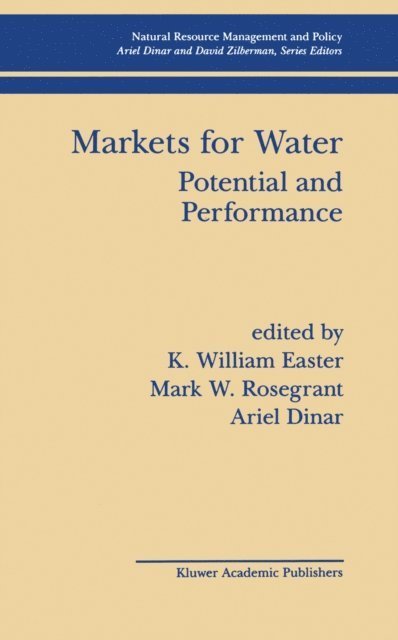
This book evaluates the history, the present and the future of water markets on 5 continents, beginning with the institutional underpinnings of water markets and factors influencing transaction costs. The book examines markets in seven countries and three different U.S. states, ranging from village-level water markets in Oman to basin wide formal water markets in Australia''s Murray-Darling River basin.
Introductory chapters on the background of water markets and on transaction costs and policy design are followed by chapter length discussion of water markets as an adaptive response to climate change and of supply reliability in a changing climate. Case studies describe a variety of facets of the design and function of markets around the world: California, Chile, Spain, Oman, Australia, Canada, India and China.
In analyzing these real-world examples of markets, the contributors explore water rights and trading of rights between agricultural and urban sectors and the principles and function of option markets. They discuss different sized approaches, from large scale, ministry-level administration of markets to informal arrangements among farmers in the same village, or groups of villages which allocate water without large investment in management and infrastructure. Discussion includes questions of why water market practices have not expanded more rapidly in arid places.
The book discusses mechanisms for resolving conflicts between water rights holders as well as between water right holders and third parties impacted by water trades and whether or not public ownership of water rights or use rights should trump private ownership and under what condition. Also covered are new and expanding categories of water use, beyond human consumption, agriculture and industry to new technologies ranging from extracting natural gas from shale to producing biofuels.
The book concludes with suggestions for future water markets and offers a realistic picture of how they might change water use and distribution practices going forward.
1 493 kr
Skickas inom 10-15 vardagar