Jimmie Lewis Franklin - Böcker
Visar alla böcker från författaren Jimmie Lewis Franklin. Handla med fri frakt och snabb leverans.
2 produkter
2 produkter
116 kr
Skickas inom 10-15 vardagar
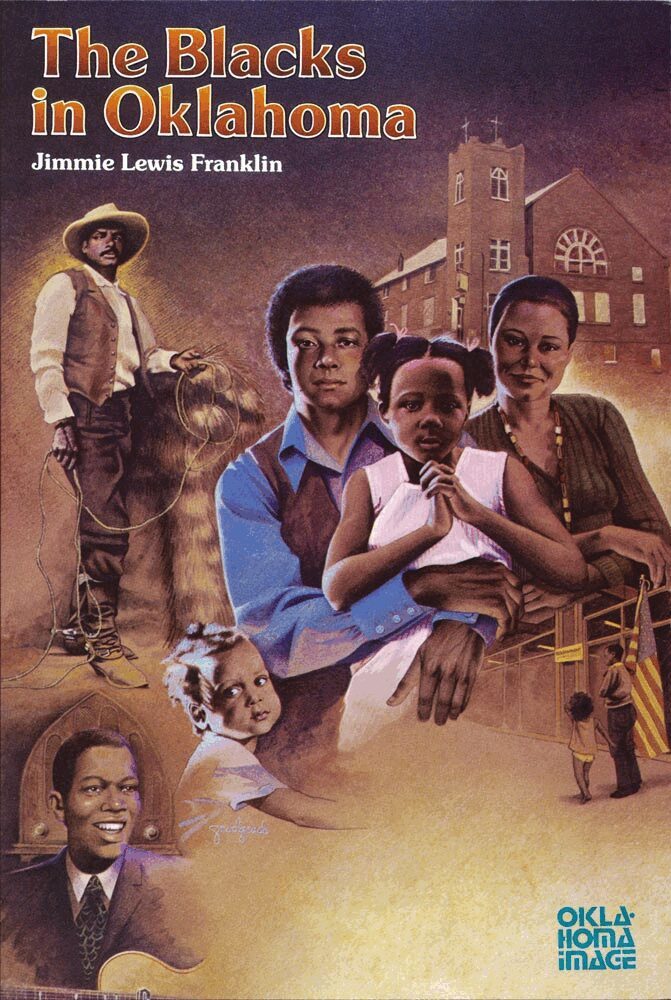
In 1980, the University of Oklahoma Press published a ten-book series titled Newcomers to a New Land that described and analyzed the role of the major ethnic groups that have contributed to the history of Oklahoma. The series was part of Oklahoma Image, a project sponsored by the Oklahoma Department of Libraries and the Oklahoma Library Association and made possible by a grant from the National Endowment for the Humanities.In response to numerous requests, the University of Oklahoma Press has reissued all ten volumes in the series. Published unaltered from the original editions, these books continue to have both historical and cultural value for reasons the series editorial committee stated as well.""Though not large in number as compared to those in some states, immigrants from various European nations left a marked impact on Oklahoma's history. As in the larger United States, they worked in many economic and social roles that enriched the state's life. Indians have played a crucial part in Oklahoma's history, even to giving the state her name. Blacks and Mexicans have also fulfilled a special set of roles, and will continue to affect Oklahoma's future. The history of each of these groups is unique, well worth remembering to both their heirs and to other people in the state and nation. Their stories come from the past, but continue on the future.""
425 kr
Skickas inom 5-8 vardagar
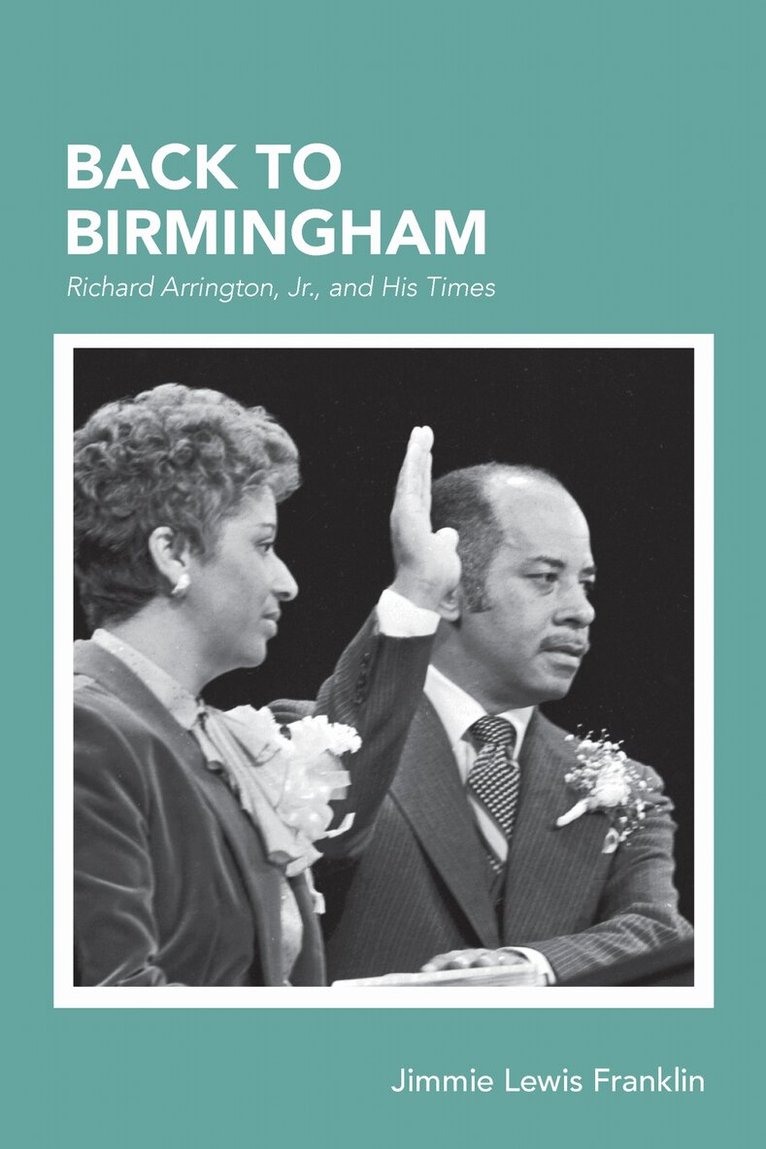
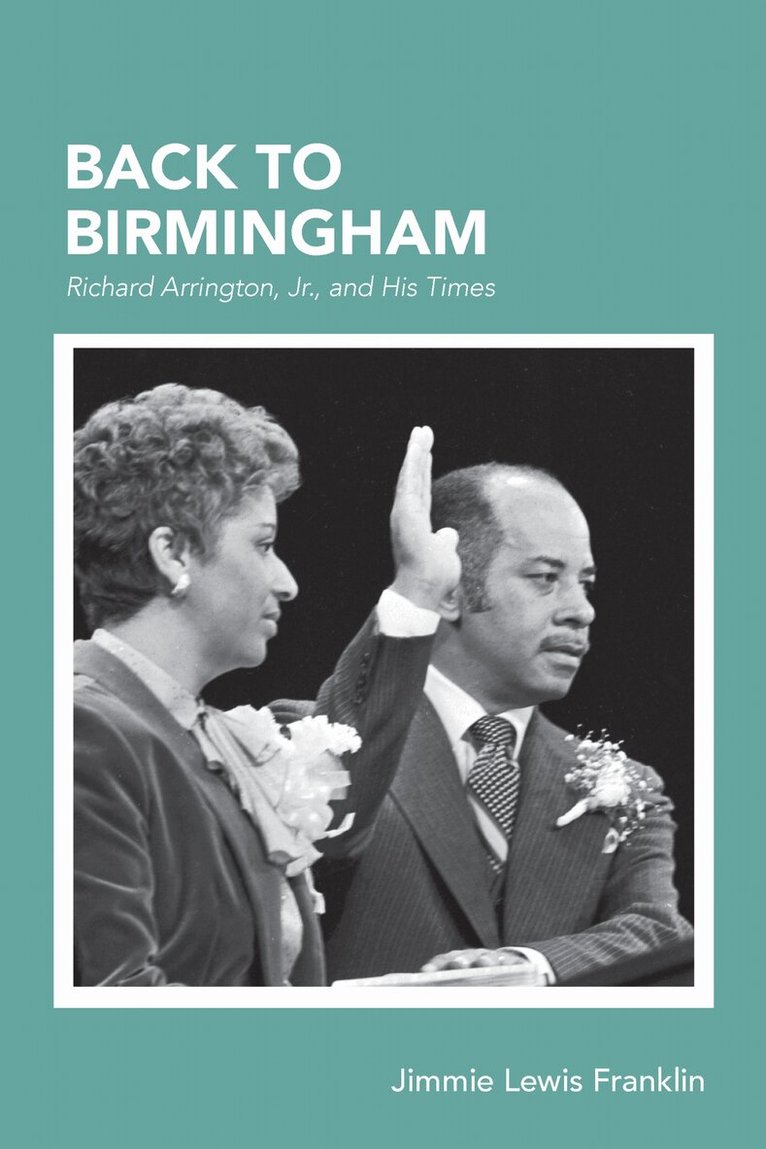
During the 1960s, Birmingham, Alabama, became a major battleground in the struggle for human rights in the American South. As one of the most segregated cities in the United States, the city of Birmingham became known for its violence against blacks and the callous suppression of black civil rights.In October of 1979, the city that had once used dogs and fire hoses to crush protest demonstrations elected a black mayor, Richard Arrington Jr. A man of quiet demeanor, Arrington was born in the small rural town of Livingston, Alabama, and moved to Birmingham as a child. Although he did not play a direct part in the civil rights movement in the 1960s, Arrington was destined to bring about some fundamental changes in a city that once defied racial progress.Professor Franklin’s book is guided by the assumption that Americans everywhere can find satisfaction in understanding the dynamics of social and political change, and they can be buoyed by the individual triumph of a person who beat the odds. Ultimately, Back to Birmingham will, perhaps, enable the reader to measure the distance black southerners have traveled over the decades.