J.L. Mey – författare
Visar alla böcker från författaren J.L. Mey. Handla med fri frakt och snabb leverans.
6 produkter
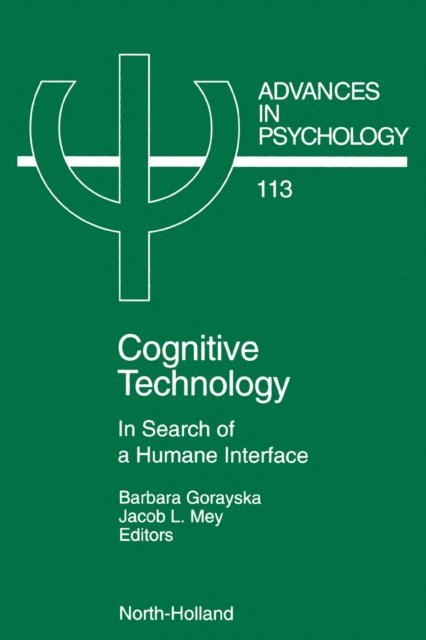
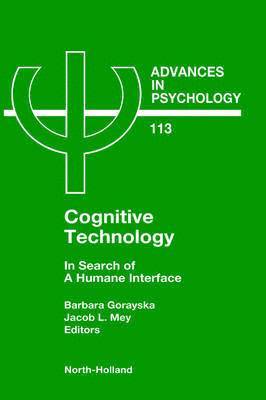
Cognitive Technology
In Search of a Humane Interface
Av B. Gorayska, J.L. Mey
E-bok, 1995
2217 kr
Lägg i varukorg
In this book the editors have gathered a number of contributions by persons who have been working on problems of Cognitive Technology (CT). The present collection initiates explorations of the human mind via the technologies the mind produces. These explorations take as their point of departure the …
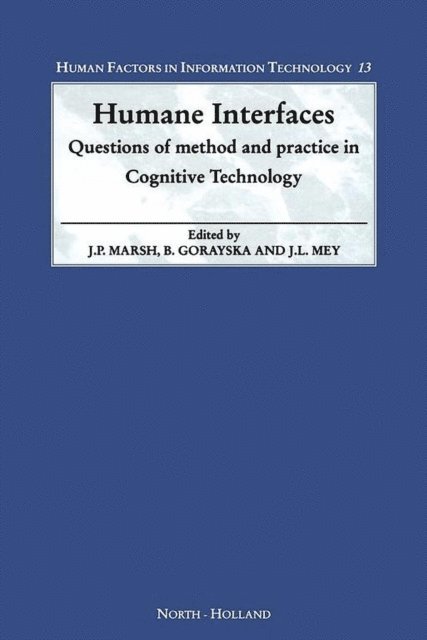
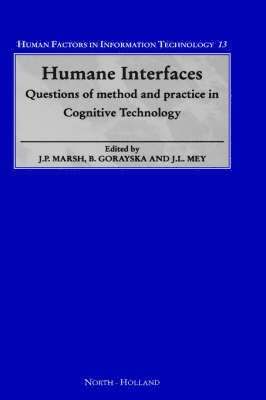
Humane Interfaces
Questions of Method and Practice in Cognitive Technology
Av J.L. Mey, B. Gorayska m. fl.
E-bok, 1999
1742 kr
Lägg i varukorg
Ever since the first successful International Cognitive Technology (CT) Conference in Hong Kong in August 1995, a growing concern about the dehumanising potential of machines, and the machining potential of the human mind, has pervaded the organisers'' thinking. When setting up the agenda for the …
Concise Encyclopedia of Pragmatics
Av J.L. Mey
Inbunden, 2009
1924 kr
Lägg i varukorg
Concise Encyclopedia of Pragmatics, Second Edition (COPE) is an authoritative single-volume reference resource comprehensively describing the discipline of pragmatics, an important branch of natural language study dealing with the study of language in it's entire user-related theoretical and …
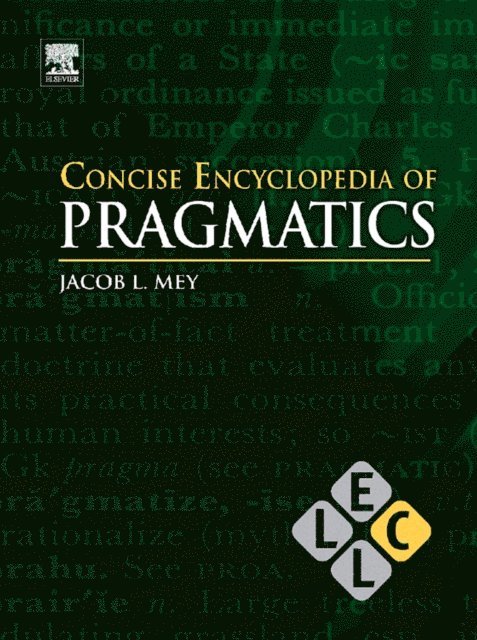
Concise Encyclopedia of Pragmatics
Av J.L. Mey
E-bok, 2009
2350 kr
Lägg i varukorg
Concise Encyclopedia of Pragmatics, Second Edition (COPE) is an authoritative single-volume reference resource comprehensively describing the discipline of pragmatics, an important branch of natural language study dealing with the study of language in it''s entire user-related theoretical and …
Cognitive Technology
In Search of a Humane Interface
Av B. Gorayska, J. L. Mey m. fl.
Inbunden, 1995
2581 kr
Lägg i varukorg
In this book the editors have gathered a number of contributions by persons who have been working on problems of Cognitive Technology (CT). The present collection initiates explorations of the human mind via the technologies the mind produces. These explorations take as their point of departure the …
Humane Interfaces
Questions of Method and Practice in Cognitive Technology
Av Jonathon P. Marsh, Barbara Gorayska m. fl.
Inbunden, 1999
1778 kr
Lägg i varukorg
Ever since the first successful International Cognitive Technology (CT) Conference in Hong Kong in August 1995, a growing concern about the dehumanising potential of machines, and the machining potential of the human mind, has pervaded the organisers' thinking. When setting up the agenda for the …