J.M. Tyree - Böcker
Visar alla böcker från författaren J.M. Tyree. Handla med fri frakt och snabb leverans.
2 produkter
2 produkter
181 kr
Skickas
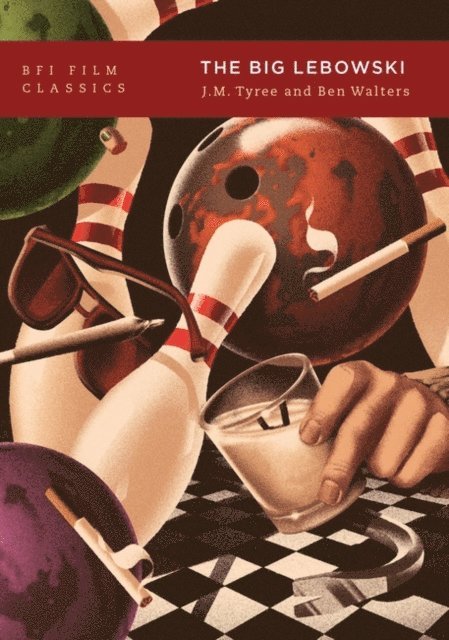
Ethan and Joel Coen's The Big Lebowski was released in 1998 to general bafflement. A decade on, it had become a cult classic and remains so over 20 years later, inspiring a thriving circuit of 'Lebowski Fests' during which costumed devotees gather at bowling alleys and guzzle White Russians. Beyond its superabundance of deliciously quotable lines, how has the movie inspired such remarkable affection? And why does its critical stock continue to rise?The film's unlikely anchor is Jeff Bridges' career-best performance as Jeffrey Lebowski, a fully-baked 1960s radical turned Venice Beach drop-out known to his friends as 'the Dude'. Mistaken for an identically-named grandee whose young trophy wife is in trouble, the Dude finds himself embroiled in an impossibly convoluted kidnap plot involving pornographers, nihilists and threats to his 'johnson'. Worst of all, it conflicts with his bowling commitments.In part an irreverent pastiche of Raymond Chandler's The Big Sleep (as filmed by Howard Hawks), The Big Lebowski is also a jukebox of film history, littered with playful references to everything from Hitchcock and Altman to Busby Berkeley. This riot of addled quotations reflects the film's Los Angeles setting, a discombobulated world inhabited by flakes, phonies and poseurs with put-on identities.Like many Coen films, the movie plays havoc with the conventions of the crime genre and the absurdities of classical American 'heroism'. But it's also that rare thing: a comedy that gets richer, funnier and more affecting with each viewing. Beneath its breakneck pacing and foul-mouthed ribaldry, the Dude's story offers disarmingly humane lessons in the value of simple things: friendship, laughter and bowling. In their foreword to this new edition, the authors reflect on Lebowski's cult status and its contemporary resonances as a film about gentle non-conformity and friendship in an increasingly polarized world. The new edition also includes an interview with the Coens, revealing the origins of the name 'Jeffrey Lebowski'.
188 kr
Skickas inom 7-10 vardagar
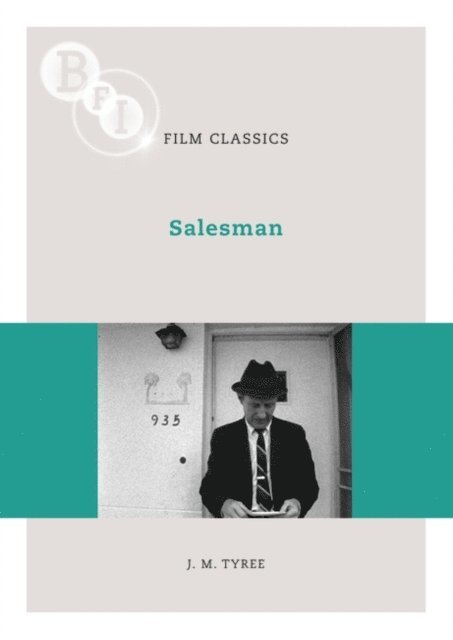
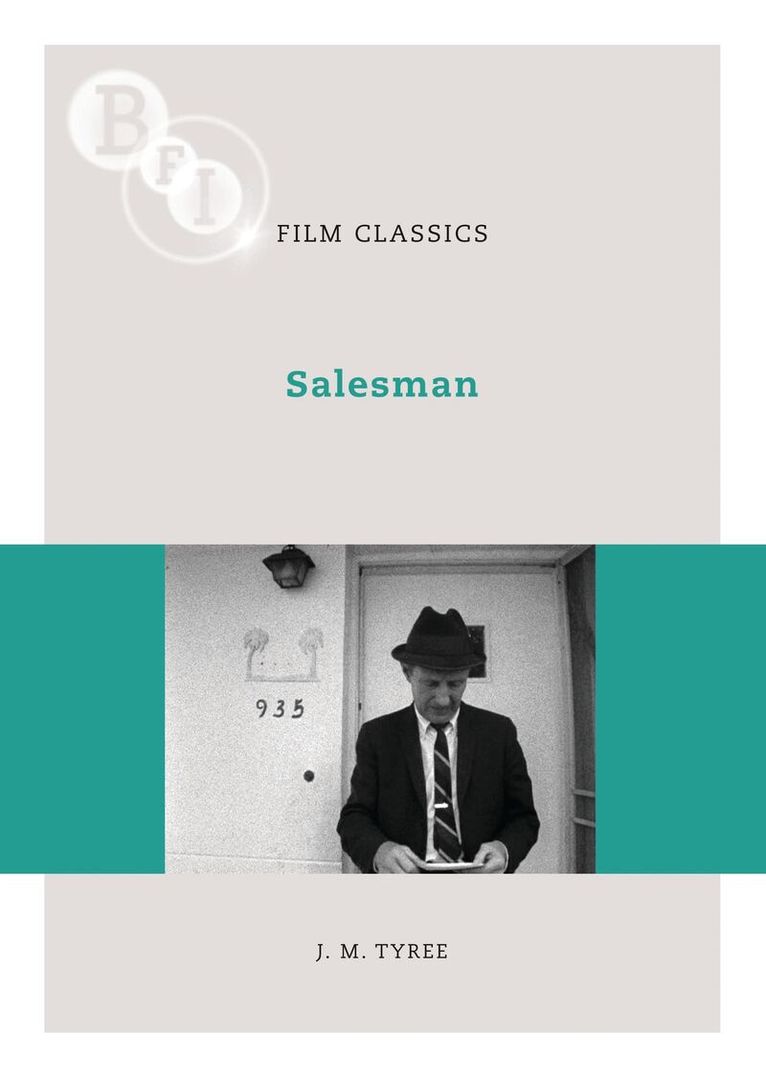
Selected by the Library of Congress as one of the most significant American films ever made, Salesman (1966–9) is a landmark in non-fiction cinema, equivalent in its impact and influence to Truman Capote's 'non-fiction novel' In Cold Blood. The film follows a team of travelling Bible salesmen on the road in Massachusetts, Chicago, and Florida, where the American dream of self-reliant entrepreneurship goes badly wrong for protagonist Paul Brennan. Long acknowledged as a high-water mark of the 'direct cinema' movement, this ruefully comic and quietly devastating film was the first masterpiece of Albert Maysles, David Maysles and Charlotte Zwerin, the trio who would go on to produce The Rolling Stones documentary, Gimme Shelter (1970).Based on the premise that films drawn from ordinary life could compete with Hollywood extravaganzas, Salesman was critical in shaping 'the documentary feature'. A novel cinema-going experience for its time, the film was independently produced, designed for theatrical release and presented without voiceover narration, interviews, or talking heads. Working with innovative handheld equipment, and experimenting with eclectic methods and a collaborative ethos, the Maysles brothers and Zwerin produced a carefully-orchestrated narrative drama fashioned from unexpected episodes.J. M. Tyree suggests that Salesman can be understood as a case study of non-fiction cinema, raising perennial questions about reality and performance. His analysis provides an historical and cultural context for the film, considering its place in world cinema and its critical representations of dearly-held national myths. The style of Salesman still makes other documentaries look static and immobile, while the film's allegiances to everyday subjects and working people indelibly marked the cinema. Tyree's insightful study also includes an exclusive exchange with Albert Maysles about the film.