Jo Wimpenny – författare
Visar alla böcker från författaren Jo Wimpenny. Handla med fri frakt och snabb leverans.
9 produkter
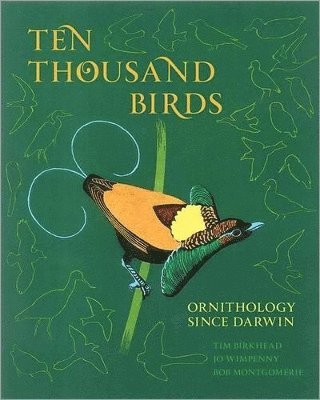
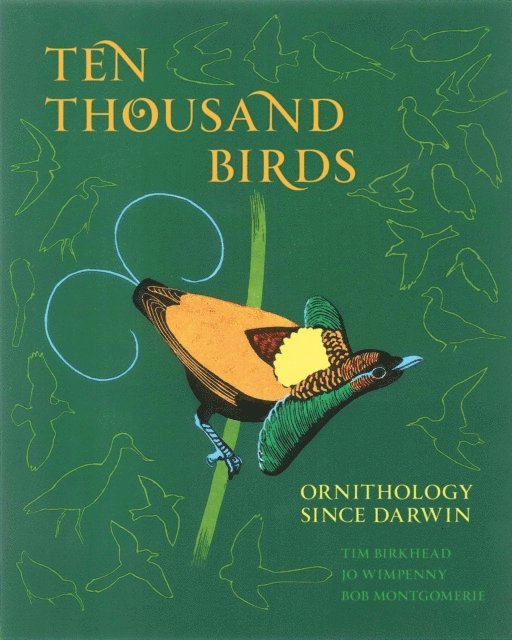
Ten Thousand Birds
Ornithology since Darwin
Av Tim Birkhead, Jo Wimpenny m. fl.
Inbunden, 2014
5,0 utav 5 stjärnor. Totalt antal röster: (1)
477 kr
Lägg i varukorg
Ten Thousand Birds provides a thoroughly engaging and authoritative history of modern ornithology, tracing how the study of birds has been shaped by a succession of visionary and often-controversial personalities, and by the unique social and scientific contexts in which these extraordinary …
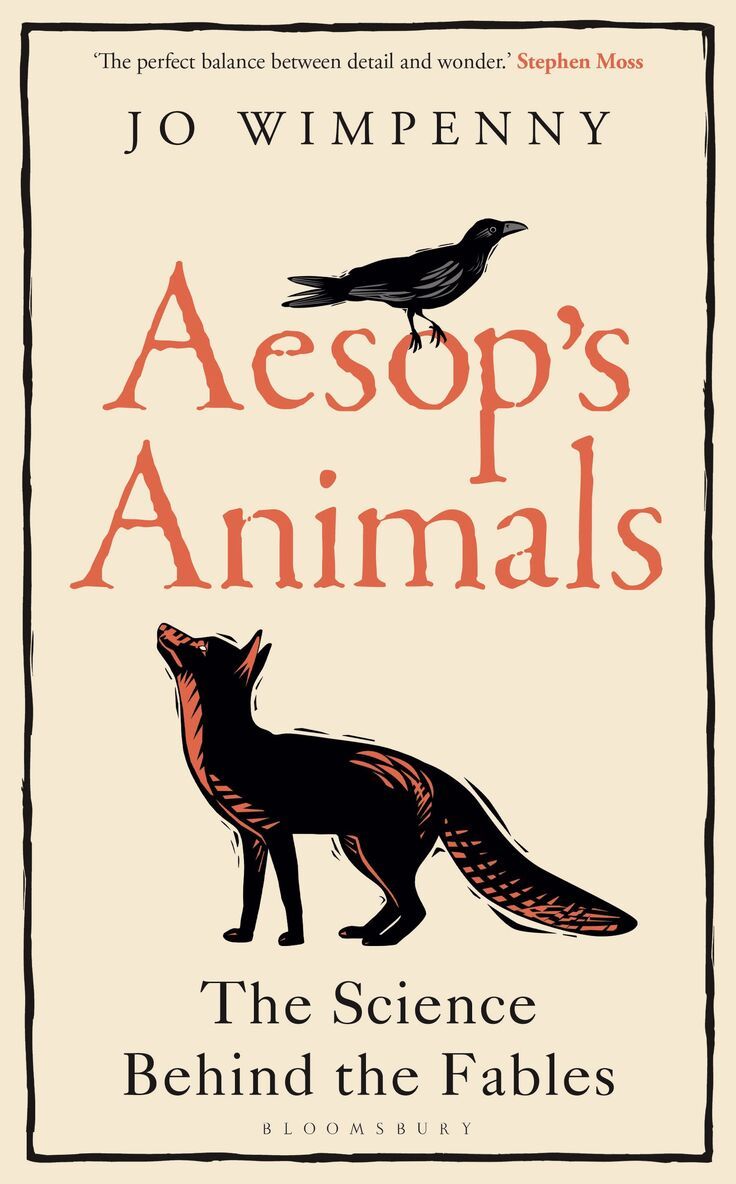
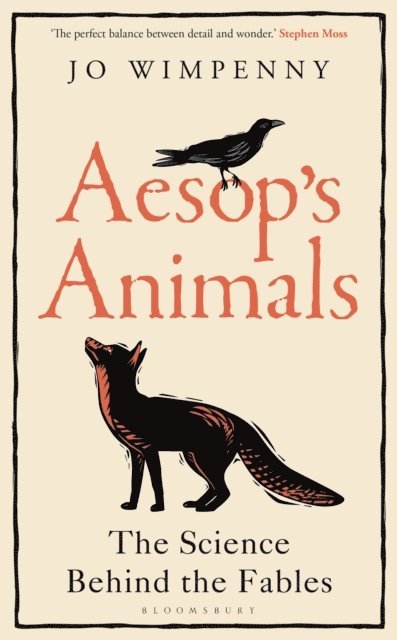
Aesop’s Animals
The Science Behind the Fables
Av Jo Wimpenny
Häftad, 2023
179 kr
Lägg i varukorg
Turns a critical eye on Aesop's Fables to ask whether there is any scientific truth to Aesop’s portrayal of his animals.Despite originating more than two-and-a-half thousand years ago, Aesop’s Fables are still passed on from parent to child, and are embedded in our collective consciousness. The …
Aesop’s Animals
The Science Behind the Fables
Av Jo Wimpenny
E-bok, 2021
159 kr
Lägg i varukorg
Turns a critical eye on Aesop''s Fables to ask whether there is any scientific truth to Aesop''s portrayal of his animals. Despite originating more than two-and-a-half thousand years ago, Aesop''s Fables are still passed on from parent to child, and are embedded in our collective consciousness. The …
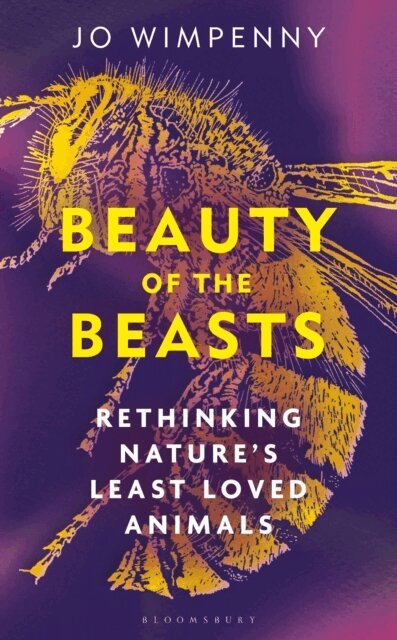
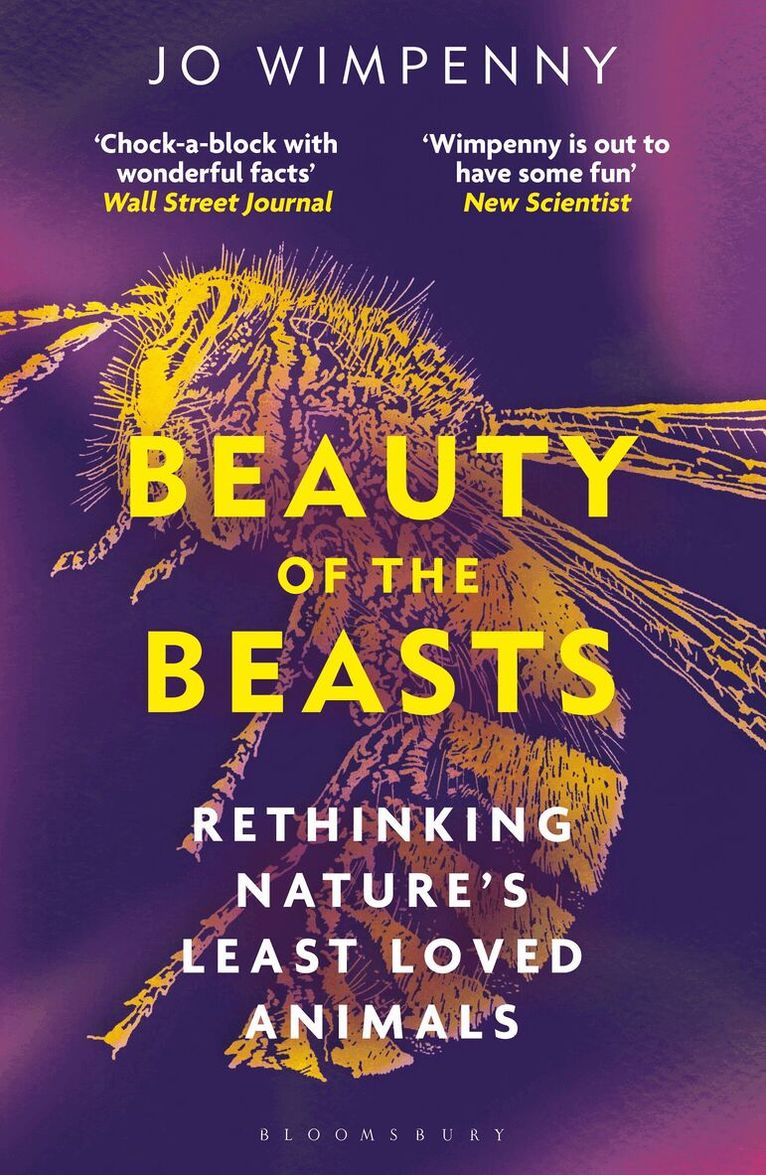
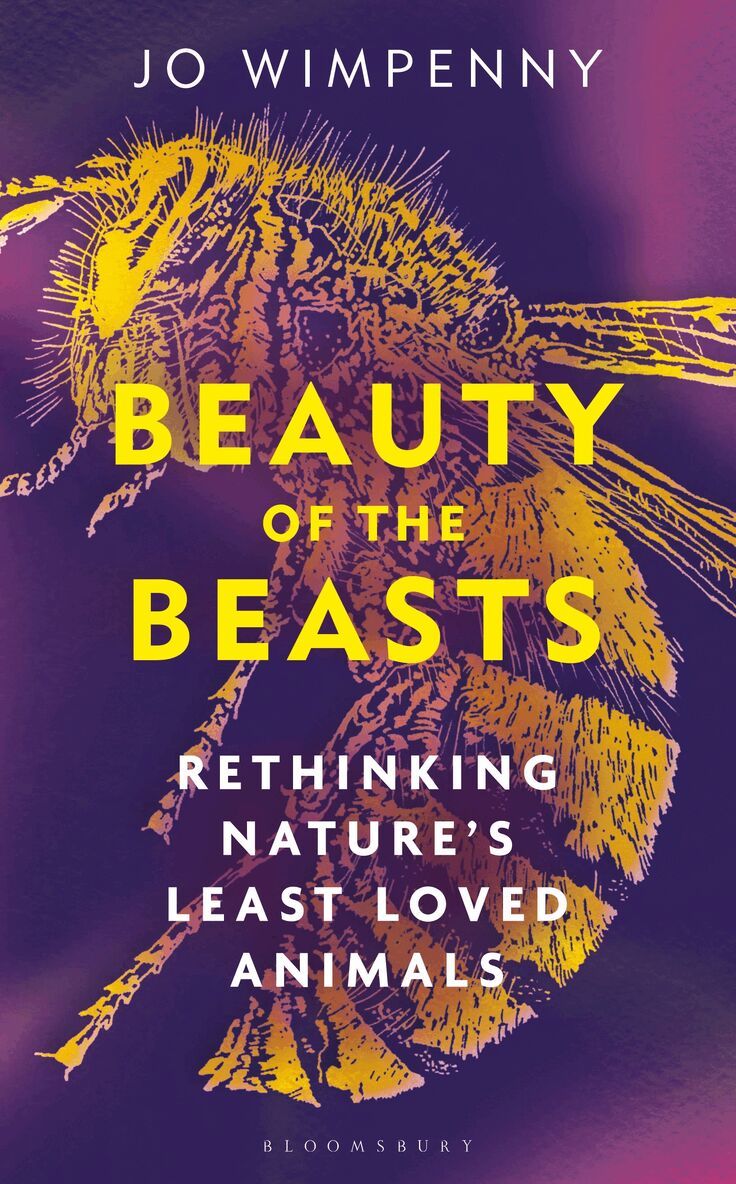
Beauty of the Beasts
Rethinking Nature's Least Loved Animals
Av Jo Wimpenny
E-bok, 2026
214 kr
Lägg i varukorg
In an age of catastrophic biodiversity loss, the author of Aesop's Animals explains why we should champion and protect nature's underdogs.The living world evokes many emotions, especially when it comes to our relationships with animals. Some of our reactions are logical responses to potential harm, …
Beauty of the Beasts
Rethinking Nature's Least Loved Animals
Av Jo Wimpenny
Häftad, 2027
153 kr
Kommande
A SPOTIFY BEST NON-FICTION BOOK OF THE YEAR 2026Wasps. Snakes. Cockroaches. Sharks. We fear them, loathe them and often kill them without question. But what if everything we think we know about these animals is wrong?In an age of catastrophic biodiversity loss, Beauty of the Beasts is a celebration …
Beauty of the Beasts
Rethinking Nature's Least Loved Animals
Av Jo Wimpenny
E-bok, 2026
210 kr
Lägg i varukorg
In an age of catastrophic biodiversity loss, the author of Aesop's Animals explains why we should champion and protect nature's underdogs.The living world evokes many emotions, especially when it comes to our relationships with animals. Some of our reactions are logical responses to potential harm, …
Beauty of the Beasts
Rethinking Nature's Least Loved Animals
Av Jo Wimpenny
Inbunden, 2026
231 kr
Lägg i varukorg
A SPOTIFY BEST NON-FICTION BOOK OF THE YEAR 2026Wasps. Snakes. Cockroaches. Sharks. We fear them, loathe them and often kill them without question. But what if everything we think we know about these animals is wrong?In an age of catastrophic biodiversity loss, Beauty of the Beasts is a celebration …
Ten Thousand Birds
Ornithology since Darwin
Av Bob Montgomerie, Jo Wimpenny m. fl.
E-bok, 2014
642 kr
Lägg i varukorg
Ten Thousand Birds provides a thoroughly engaging and authoritative history of modern ornithology, tracing how the study of birds has been shaped by a succession of visionary and often-controversial personalities, and by the unique social and scientific contexts in which these extraordinary …
Aesop’s Animals
The Science Behind the Fables
Av Jo Wimpenny
E-bok, 2021
159 kr
Lägg i varukorg
Turns a critical eye on Aesop''s Fables to ask whether there is any scientific truth to Aesop''s portrayal of his animals. Despite originating more than two-and-a-half thousand years ago, Aesop''s Fables are still passed on from parent to child, and are embedded in our collective consciousness. The …