Joan Santanach – författare
Visar alla böcker från författaren . Handla med fri frakt och snabb leverans.
9 produkter
9 produkter
Del 51 - Textos B
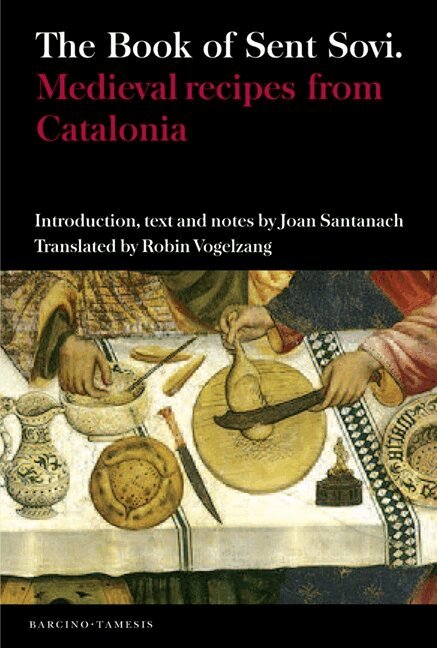
Book of Sent Soví
Medieval recipes from Catalonia
Häftad, Engelska, 2008
302 kr
Skickas inom 10-15 vardagar
The oldest Catalan cookery book.The Book of Sent Soví, composed around the middle of the fourteenth century, is the oldest surviving culinary text in Catalan. It is anonymous and, like the majority of medieval cookery books, is the product of a complex process of transmission, with multiple manuscript copies and readers who have left their mark on it. The contents are eminently practical. Successive cooks have recorded their own methods of preparing the dishes and recipes included, blending several culinary traditions in a single work. Sent Soví is also a reliable source of information on the cookery of the territories of the Crown of Aragon before the revolution caused by the arrival of products from the Americas.This edition includes both an English translation, by Robin Vogelzang, and the original Catalan version. It has been the editor's aim to clarify the difficult passages in the book - sometimes corrupted because of the complex manuscript tradition - so that it can be understood as easily as possible by its twenty-first-century readers. JOAN SANTANACH lectures on medieval literature at the University of Barcelona.Published in association with Editorial Barcino.
Del 354 - Monografías A
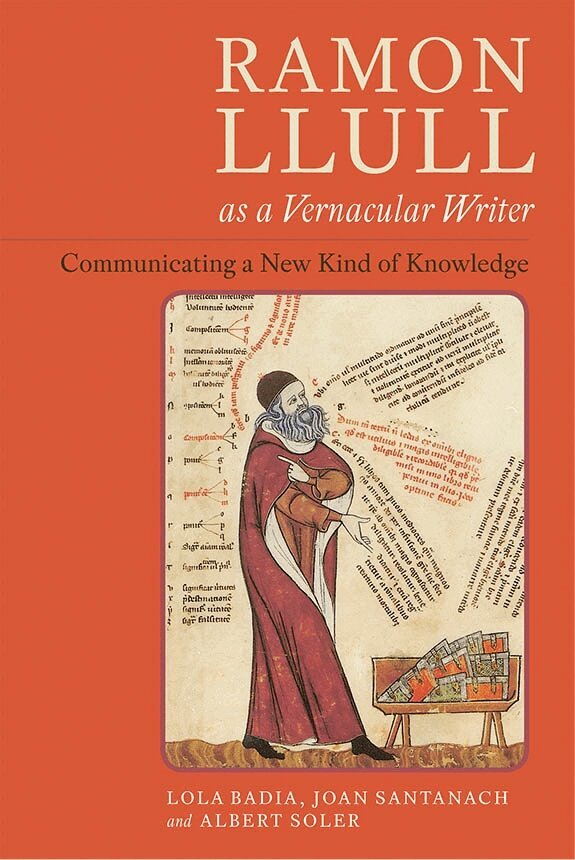
Ramon Llull as a Vernacular Writer
Communicating a New Kind of Knowledge
Inbunden, Engelska, 2016
1 672 kr
Skickas inom 5-8 vardagar
The authors maintain that Llull was an atypical 'scholar' because he enjoyed a form of access to knowledge that differed from the norm and because he organized the production and dissemination of his writings in a creative and unconventional fashion.Ramon Llull (1232-1316), mystic, missionary, philosopher and author of narrative and poetry, wrote both in Latin and in the vernacular claiming he had been given a new science to unveil the Truth. This book shows why his Latin andvernacular books cannot be read as if they had been written in isolation from one another. Llull was an atypical 'scholar' because he enjoyed a form of access to knowledge that differed from the norm and because he organized theproduction and dissemination of his writings in a creative and unconventional fashion. At a time when learned texts and university culture were conveyed for the most part using the vehicle of Latin, he wrote a substantial proportion of his theological and scientific works in his maternal Catalan while, at the same time, he was deeply involved in the circulation of such works in other Romance languages. These circumstances do not preclude the fact that a considerable number of the titles comprising his extensive output of more than 260 works were written directly in Latin, or that he had various books which were originally conceived in Catalan subsequently translated or adapted intoLatin.Lola Badia is a professor in the Catalan Philology Departament at the University of Barcelona.Joan Santanach is Lecturer of Catalan Philology at the University of Barcelona.Albert Soler (1963) is Lecturer of Catalan Philology at the University of Barcelona.
E-bok
Katalanska, 2024143 kr
Läs direkt efter köp
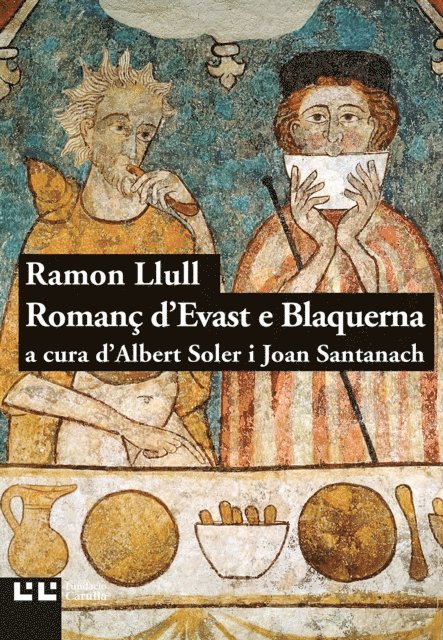
Al "Romanç d''Evast e Blaquerna", enllestit a la ciutat llenguadociana de Montpeller, llavors pertanyent al Regne de Mallorca, vers el 1283, Ramon Llull hi construeix un relat extens i sostingut, el més proper que va compondre al que avui considerem una novel·la. Hi narra la biografia exemplar del seu protagonista, Blaquerna, des del seu naixement en una família burgesa benestant fins a la seva digna i contemplativa senectut. Al llarg de les cinc parts de què està compost el llibre, dedicades a cinc estaments diferents, Llull ens hi ofereix una àmplia panoràmica de la vida a l''edat mitjana. Blaquerna, en el seu intens i activíssim periple vital, recorre els diversos estaments reformant-los i afavorint que la humanitat s''allunyi de l''error, i arribarà a ser escollit papa.Des d''aquesta posició establirà les bases de la reforma del conjunt de la cristiandat i, en el fons, de la humanitat completa. L''èxit de les seves reformes li permet retirar-se ja en la vellesa, en un eremitori, on redacta en la ficció un dels llibres més remarcables de tota la literatura medieval europea: el "Llibre d''amic i amat". Llull va dur a terme la novel·la més ambiciosa que mai s''hagués escrit fins aleshores. Ho era pel seu plantejament argumental i ho va ser per la seva realització narrativa. El que volia fer era una novel·la total: una ficció que donés raó d''allò que és primordial en la vida individual i col·lectiva, amb la voluntat de construir una obra que pogués interessar a tota mena de públics.
E-bok
Spanska, 2026144 kr
Läs direkt efter köp
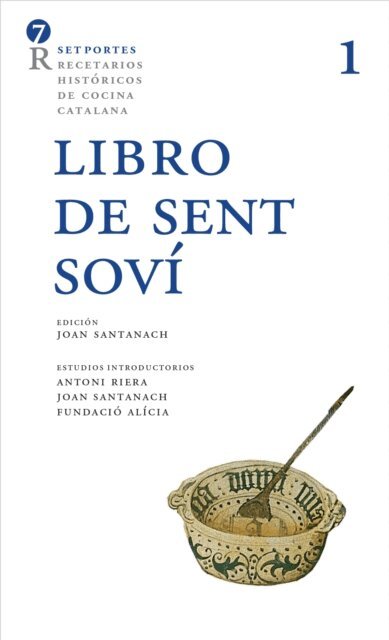
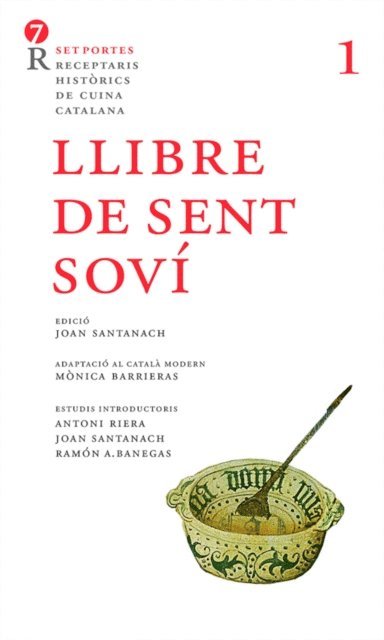
El Llibre de Sent Soví es el recetario más antiguo conservado en lengua catalana. Se sitúa, por tanto, en los inicios de la tradición culinaria del país, y en él ya se apuntan determinadas constantes que han llegado hasta nuestros días. Su influencia se observa en el resto de los libros de cocina medievales e incluso en obras posteriores. Esta condición de libro inaugural, en parte azarosa, no contradice el hecho de que sea, al mismo tiempo, una síntesis de la cocina de su época, concretamente de la alta cocina propia de la nobleza y de las clases acomodadas.Para facilitar el acceso al texto, se ofrece la versión medieval acompañada de una adaptación al catalán moderno. Con este volumen se inicia la colección Set Portes de Recetarios Históricos de Cocina Catalana, que propondrá un amplio recorrido desde los recetarios más antiguos hasta los de la segunda mitad del siglo XX, con la finalidad de poner de manifiesto la evolución, las transformaciones y las continuidades de la cocina catalana.
E-bok
Spanska, 2026144 kr
Läs direkt efter köp
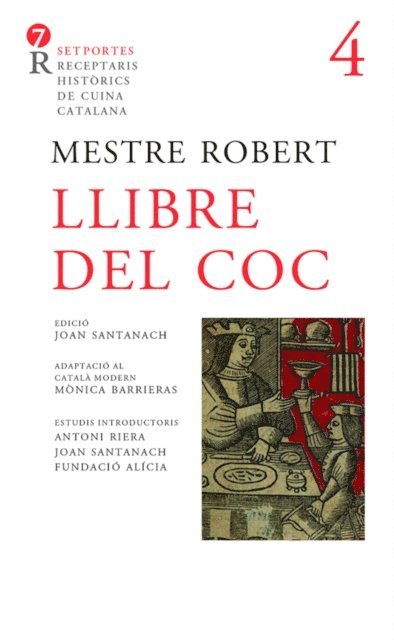
En el año 1520 apareció, en la ciudad de Barcelona, el Llibre del coc, el primer libro de cocina impreso en la península ibérica. Estaba escrito en catalán. Hasta entonces, los recetarios de cocina habían circulado únicamente en forma manuscrita.La obra se atribuye al maestro Robert, cocinero del rey Fernando de Nápoles. Todo parece indicar que este soberano debe identificarse con Fernando I, hijo natural de Alfonso el Magnánimo, que reinó en Nápoles entre los años 1458 y 1494.El libro incluye más de doscientas recetas, en gran parte vinculadas a las costumbres y a los gustos lujosos de la corte y la nobleza de la época. Mayoritariamente se trata de platos que forman parte de una ya larga tradición culinaria medieval catalana, todavía plenamente vigente en aquel momento, representada por el Sent Soví y otros títulos, como el Llibre d''aparellar de menjar o el Llibre de totes maneres de potatges.Al mismo tiempo que se vincula estrechamente con la tradición que la precedió, el Llibre del coc da cuenta de nuevas influencias y gustos que, poco a poco, se fueron imponiendo durante el siglo XVI. En diversos aspectos, es una obra que actúa como puente entre la Edad Media y el Renacimiento.No resulta sorprendente, por tanto, que a lo largo de este siglo la obra fuera repetidamente impresa en lengua catalana y que, traducida al castellano, también disfrutara de una larga trayectoria.Para facilitar el acceso al texto, se ofrece la versión medieval cotejada con una adaptación al catalán moderno. Los estudios sobre el entorno económico, histórico y culinario que la acompañan favorecen una mejor comprensión de la época y del propio recetario.La colección Set Portes de Receptaris Històrics de Cuina Catalana propone un amplio recorrido por la evolución, las transformaciones y las continuidades de la cocina catalana a través de sus recetarios más significativos. El análisis de estos textos nos proporciona una perspectiva de la evolución de la sociedad y nos aclara el origen de algunas de nuestras costumbres culinarias.
E-bok
PDF, Engelska, 2026158 kr
Läs direkt efter köp
The Llibre de Sent Soví is the oldest surviving cookbook written in the Catalan language. It therefore stands at the very beginning of the country''s culinary tradition, already revealing a number of enduring features that have survived to the present day. Its influence can be seen in subsequent medieval cookbooks and even in later culinary works. This status as an inaugural work, partly the result of historical chance, does not contradict the fact that it is also a synthesis of the cuisine of its own time—specifically, the refined cuisine of the nobility and the wealthy classes.To make the text more accessible, this edition presents the original medieval version alongside an adaptation into modern Catalan. This volume marks the launch of the Set Portes Collection of Historic Catalan Cookbooks, which will trace the development of Catalan cuisine from its earliest recipe collections through to those of the second half of the twentieth century, highlighting its evolution, transformations and enduring traditions.
E-bok
PDF, Engelska, 2026157 kr
Läs direkt efter köp
In 1520, the Llibre del coc was published in the city of Barcelona, becoming the first printed cookbook on the Iberian Peninsula. It was written in Catalan. Until then, cookery books had circulated exclusively in manuscript form. The work is attributed to Master Robert, cook to King Ferdinand of Naples. All the evidence suggests that this monarch should be identified as Ferdinand I, the illegitimate son of Alfonso the Magnanimous, who ruled Naples from 1458 to 1494. The book contains more than two hundred recipes, many of them closely associated with the lavish tastes and customs of the royal court and the nobility of the period. Most belong to the long-established tradition of medieval Catalan cookery, which was still flourishing at the time, as represented by the Sent Sovi and other works such as the Llibre d'aparellar de menjar and the Llibre de totes maneres de potatges. While remaining firmly rooted in the culinary tradition that preceded it, the Llibre del coc also reflects the emergence of new influences and tastes that gradually gained prominence during the sixteenth century. In many respects, it serves as a bridge between the Middle Ages and the Renaissance. It is therefore unsurprising that the work was reprinted several times in Catalan throughout the sixteenth century and, once translated into Castilian, also enjoyed a long publishing history. To make the text more accessible, this edition presents the original medieval version alongside an adaptation into modern Catalan. The accompanying studies of its economic, historical and culinary context provide a deeper understanding of both the period and the cookbook itself. The Set Portes Collection of Historic Catalan Cookbooks offers a broad survey of the evolution, transformations and continuities of Catalan cuisine through its most significant recipe books. The study of these texts provides valuable insight into the development of society while shedding light on the origins of many of our culinary traditions.
E-bok
Katalanska, 2023118 kr
Läs direkt efter köp
El Llibre de Sent Soví és el receptari més antic conservat en llengua catalana. Se situa, doncs, just a l''inici de la tradició culinària del país, i ja hi apunten determinades constants que han arribat fins avui. La seva influència s''observa en la resta de llibres de cuina medievals i fins i tot posteriors. Aquesta condició de llibre inaugural, en part atzarosa, no es contradiu amb el fet que sigui, al mateix temps, una síntesi de la cuina de la seva època. Específicament de l''alta cuina, pròpia de la noblesa i les classes benestants. Per facilitar l''accés al text, se n''ofereix la versió medieval acarada a una adaptació al català modern. Amb aquest volum s''inicia la col•lecció Set Portes de Receptaris Històrics de Cuina Catalana, que proposarà un llarg recorregut des dels receptaris més antics fins als de la segona meitat del segle XX, amb la finalitat de posar de manifest l''evolució, les transformacions i les continuïtats de la cuina catalana.
E-bok
Katalanska, 2023118 kr
Läs direkt efter köp
L''any 1520 va aparèixer, a la ciutat de Barcelona, el Llibre del coc, el primer llibre de cuina imprès a la península Ibèrica. Era escrit en català. Fins llavors els receptaris de cuina havien circulat únicament de forma manuscrita. L''obra s''atribueix a mestre Robert, cuiner del rei Ferran de Nàpols. Tot sembla indicar que cal identificar aquest sobirà amb Ferran I, fill natural d''Alfons el Magnànim, que va regnar a Nàpols entre els anys 1458 i 1494. El llibre inclou més de dues-centes receptes, en bona part vinculables als costums i als gustos luxosos de la cort i la noblesa de l''època. Majoritàriament es tracta de plats que formen part d''una aleshores ja llarga tradició culinària medieval catalana, en aquell moment encara ben vigent, representada pel Sent Soví i altres títols, com el Llibre d''aparellar de menjar o el Llibre de totes maneres de potatges. Al mateix temps que es vincula estretament amb la tradició que l''ha precedit, el Llibre del coc dona compte de noves influències i gustos que, de mica en mica, s''anaren imposant durant el segle xvi. En diversos aspectes, és una obra que actua com a frontissa entre l''edat mitjana i el Renaixement. No és sorprenent, doncs, que al llarg d''aquest segle l''obra fos repetidament impresa en llengua catalana, i que, traduïda al castellà, també gaudís d''un llarg recorregut. Per facilitar l''accés al text, se n''ofereix la versió medieval acarada amb una adaptació al català modern. Els estudis sobre l''entorn econòmic, històric i culinari que l''acompanyen afavoreixen una millor comprensió de l''època i del mateix receptari. La col·lecció Set Portes de Receptaris Històrics de Cuina Catalana proposa un llarg recorregut per l''evolució, les transformacions i les continuïtats de la cuina catalana a través dels seus receptaris més significatius. L''anàlisi d''aquests textos ens dóna una perspectiva de l''evolució de la societat i ens aclareix l''origen d''alguns dels nostres costums culinaris.