Joanna Allan - Böcker
Visar alla böcker från författaren Joanna Allan. Handla med fri frakt och snabb leverans.
3 produkter
3 produkter
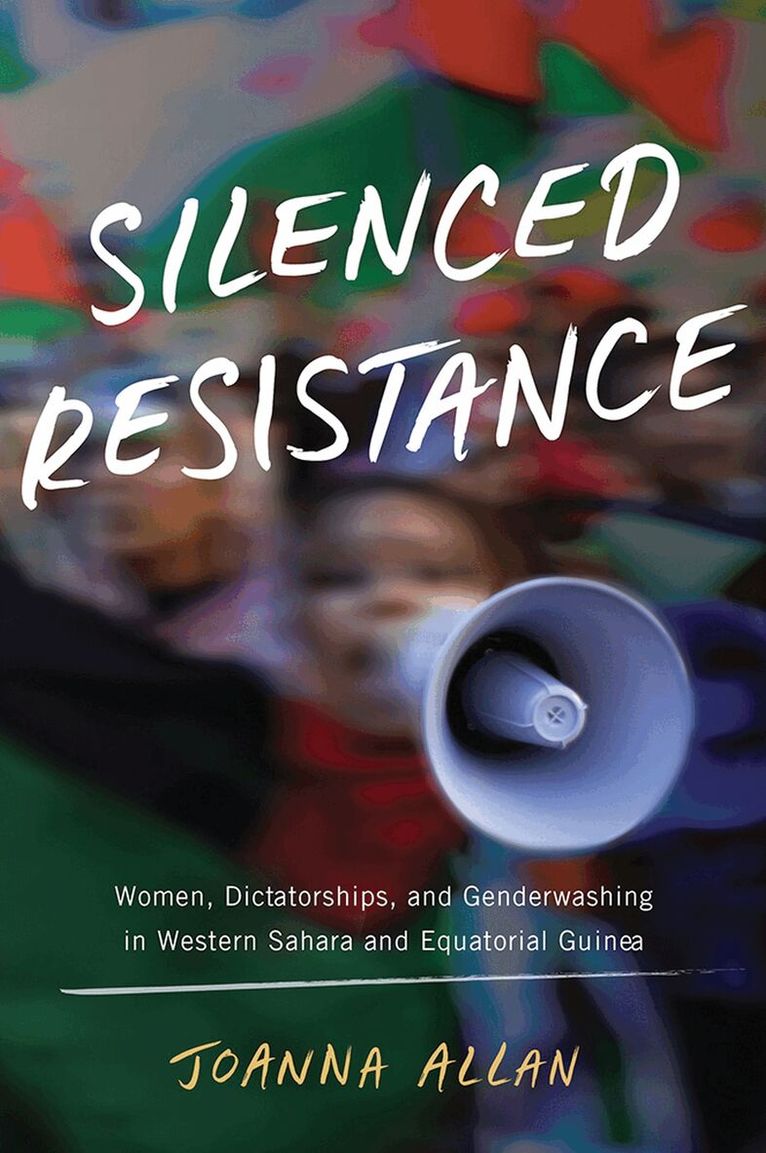
Silenced Resistance
Women, Dictatorships, and Genderwashing in Western Sahara and Equatorial Guinea
Inbunden, Engelska, 2019
859 kr
Skickas inom 10-15 vardagar
Spain’s former African colonies—Equatorial Guinea and Western Sahara—share similar histories. Both are under the thumbs of heavy-handed, postcolonial regimes, and are known by human rights organizations as being among the worst places in the world with regard to oppression and lack of civil liberties. Yet the resistance movement in one is dominated by women, the other by men. In this innovative work, Joanna Allan demonstrates why we should foreground gender as key for understanding both authoritarian power projection and resistance. She brings an ethnographic component to a subject that has often been looked at through the lens of literary studies to examine how concerns for equality and women’s rights can be co-opted for authoritarian projects. She reveals how Moroccan and Equatoguinean regimes, in partnership with Western states and corporations, conjure a mirage of promoting equality while simultaneously undermining women’s rights in a bid to cash in on oil, minerals, and other natural resources. This genderwashing, along with historical local, indigenous, and colonially imposed gender norms mixed with Western misconceptions about African and Arab gender roles, plays an integral role in determining the shape and composition of public resistance to authoritarian regimes.
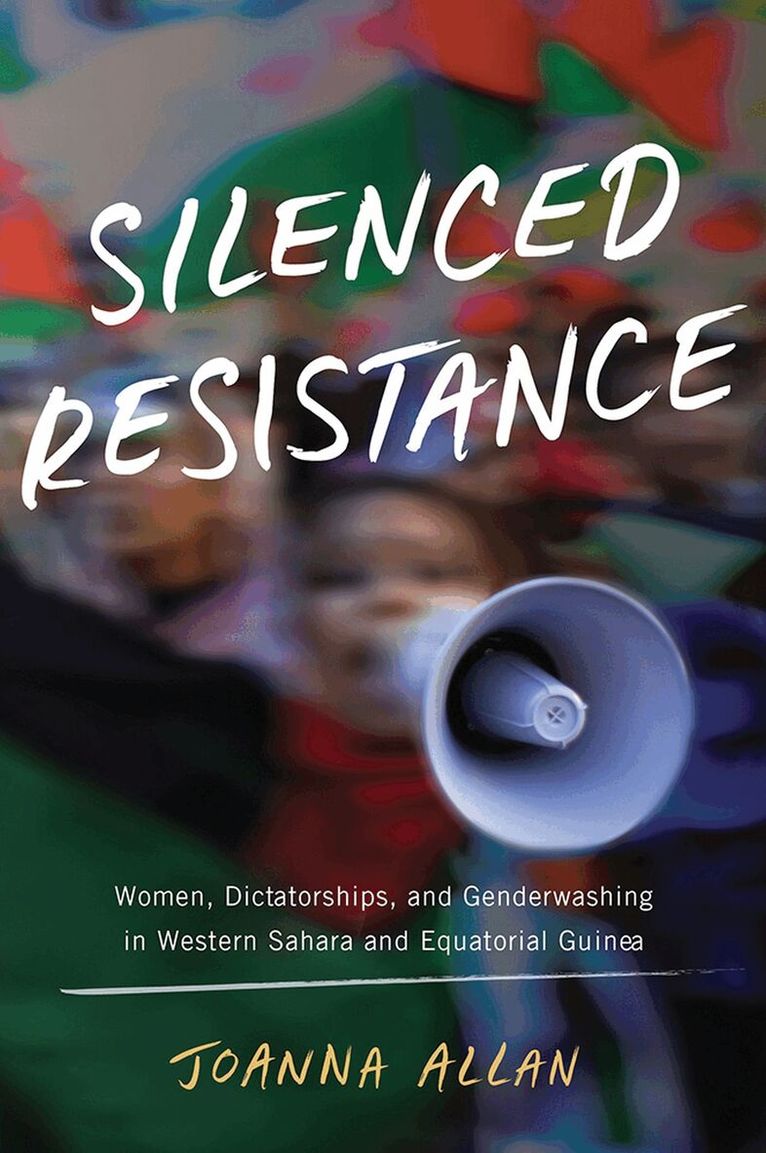
Silenced Resistance
Women, Dictatorships, and Genderwashing in Western Sahara and Equatorial Guinea
Häftad, Engelska, 2021
300 kr
Skickas inom 10-15 vardagar
Spain's former African colonies—Equatorial Guinea and Western Sahara—share similar histories. Both are under the thumbs of heavy-handed, postcolonial regimes, and are known by human rights organizations as being among the worst places in the world with regard to oppression and lack of civil liberties. Yet the resistance movement in one is dominated by women, the other by men. In this innovative work, Joanna Allan demonstrates why we should foreground gender as key for understanding both authoritarian power projection and resistance. She brings an ethnographic component to a subject that has often been looked at through the lens of literary studies to examine how concerns for equality and women's rights can be co-opted for authoritarian projects. She reveals how Moroccan and Equatoguinean regimes, in partnership with Western states and corporations, conjure a mirage of promoting equality while simultaneously undermining women's rights in a bid to cash in on oil, minerals, and other natural resources. This genderwashing, along with historical local, indigenous, and colonially imposed gender norms mixed with Western misconceptions about African and Arab gender roles, plays an integral role in determining the shape and composition of public resistance to authoritarian regimes.
318 kr
Skickas inom 7-10 vardagar
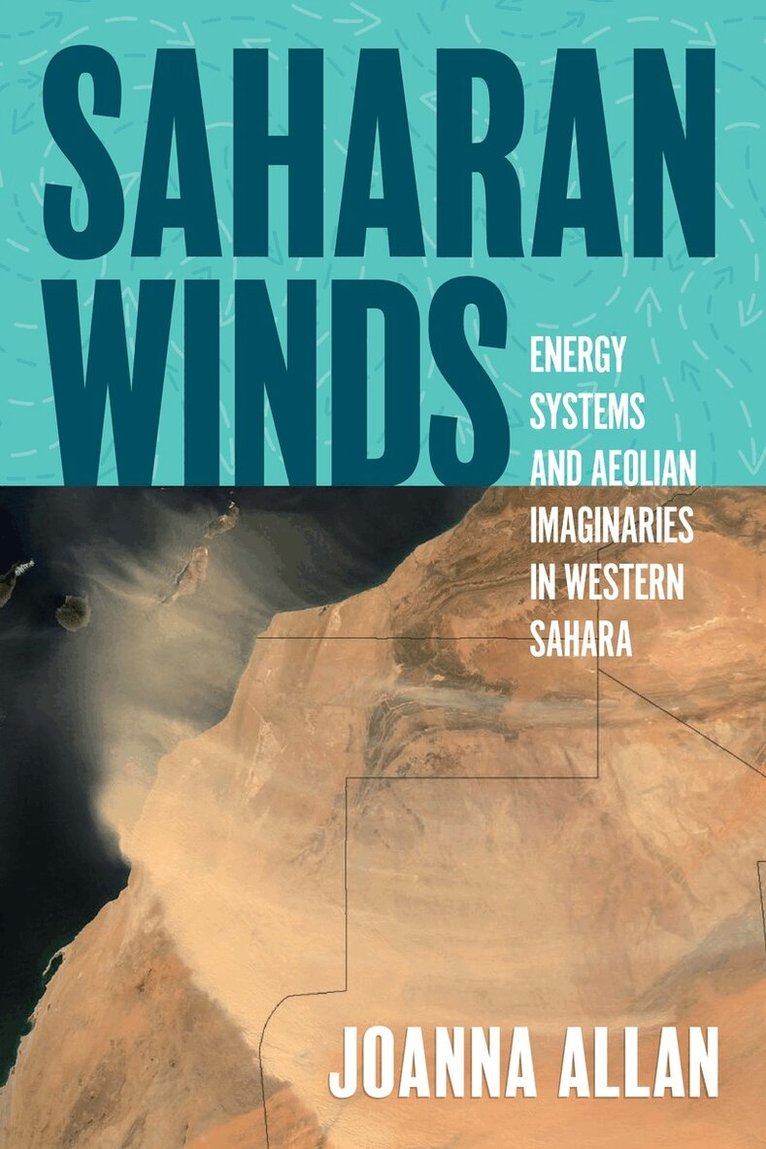
As climate crisis ensues, a transition away from fossil fuels becomes urgent. However, some renewable energy developments are propagating injustices such as landgrabs, colonial dispossession, and environmentally destructive practices. Changing the way we imagine and understand wind will help us ensure a globally just wind energy future. Saharan Winds contributes to a fairer energy horizon by illuminating the role of imaginaries--how we understand energy sources such as wind and the meanings we attach to wind--in determining the wider politics, whether oppressive or just, associated with energy systems. This book turns to various cultures and communities across different time periods in one space, Western Sahara, to explore how wind imaginaries affect the development, management, and promotion of windfarms; the distribution of energy that windfarms produce; and, vitally, the type of politics mediated by all these elements combined. Highlighting the wind-fueled oppression of colonial energy systems, the book shows the potential offered by nomadic, Indigenous wind imaginaries for contributing to a fairer energy future.