Joanna Bellis - Böcker
Visar alla böcker från författaren Joanna Bellis. Handla med fri frakt och snabb leverans.
2 produkter
2 produkter
1 197 kr
Skickas inom 7-10 vardagar
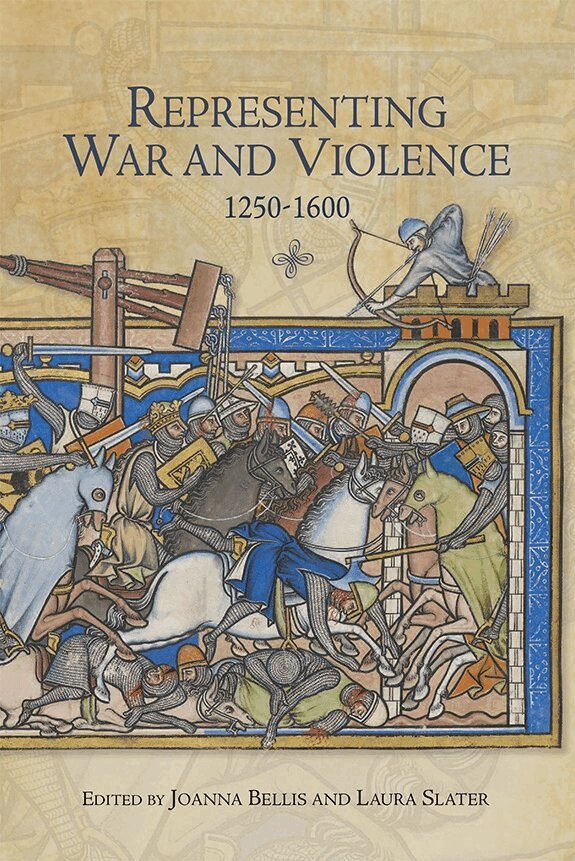
An examination of written and other responses to conflict in a variety of forms and genres, from the thirteenth to the seventeenth century.War and violence took many forms in medieval and early modern Europe, from political and territorial conflict to judicial and social spectacle; from religious persecution and crusade to self-mortification and martyrdom; from comedic brutality to civil and domestic aggression. Various cultural frameworks conditioned both the acceptance of these forms of violence, and the protest that they met with: the elusive concept of chivalry, Christianity and just wartheory, political ambition and the machinery of propaganda, literary genres and the expectations they generated and challenged.The essays here, from the disciplines of history, art history and literature, explore how violence and conflict were documented, depicted, narrated and debated during this period. They consider manuals created for and addressed directly to kings and aristocratic patrons; romances whose affective treatments of violence invitedprofoundly empathetic, even troublingly pleasurable, responses; diaries and "autobiographies" compiled on the field and redacted for publication and self-promotion. The ethics and aesthetics of representation, as much as the violence being represented, emerge as a profound and constant theme for writers and artists grappling with this most fundamental and difficult topic of human experience.JOANNA BELLIS is the Fitzjames Research Fellow in Oldand Middle English at Merton College, Oxford; LAURA SLATER holds a Postdoctoral Fellowship from The Paul Mellon Centre for Studies in British Art in London.Contributors: Anne Baden-Daintree, Anne Curry, David Grummitt, Richard W. Kaeuper, Andrew Lynch, Christina Normore, Laura Slater, Sara V. Torres, Matthew Woodcock,
1 337 kr
Skickas inom 7-10 vardagar
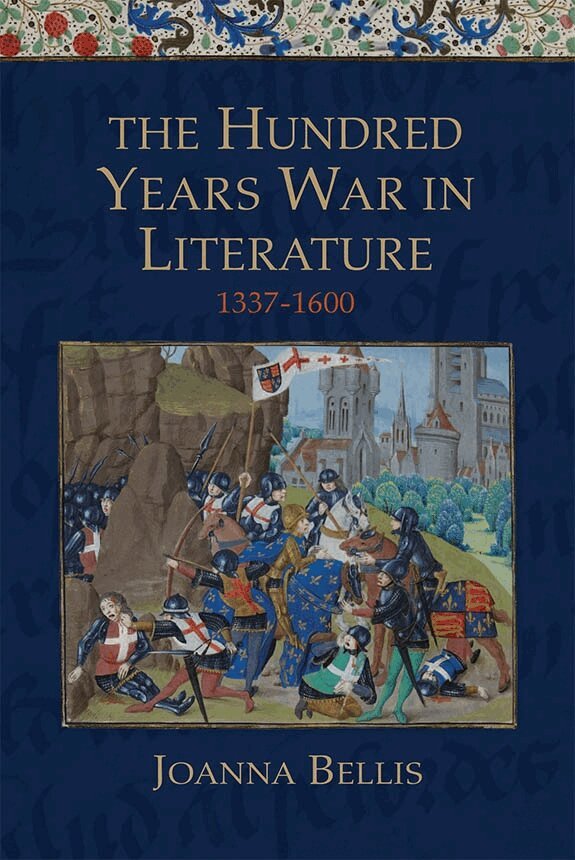
An analysis of texts narrating the Hundred Years War, from contemporary accounts to the sixteenth century.The Hundred Years War was central and paradoxical for the writing of English history, simultaneously galvanising pugnacious articulations of nationalism and exposing their bankruptcy. However, the conflict remains a sticking pointin scholarship of medieval multilingualism and its complex relationship to nationalism, often overlooked in calls for a "post-national" vocabulary.This book charts the narration of the war in English literature, from contemporary chroniclers and poets, such as Chaucer, documenting the conflict that dominated the fourteenth and fifteenth centuries, to later polemicists and playwrights looking back on their medieval past, including Shakespeare. It explores how its propagandists navigated its cultural minefields, and then how their mythologisations became ciphers for Tudor expressions of nationalism. Challenging the periodisation that habitually divides the medieval from the early modern, it shows how an event of the magnitude and longevity of the Hundred Years War shaped ways of thinking about English history and language from Chaucer and Lydgate to Spenser and Shakespeare. It also brings to light a rich and neglected corpus of Hundred Years War literature, from anonymous chroniclers and balladeers to agonising eyewitness accounts.Joanna Bellis is the Fitzjames Research Fellow in Old and Middle English at Merton College, Oxford.