Joanna Mattingly - Böcker
Visar alla böcker från författaren Joanna Mattingly. Handla med fri frakt och snabb leverans.
3 produkter
3 produkter
Del 60 - Devon and Cornwall Record Society
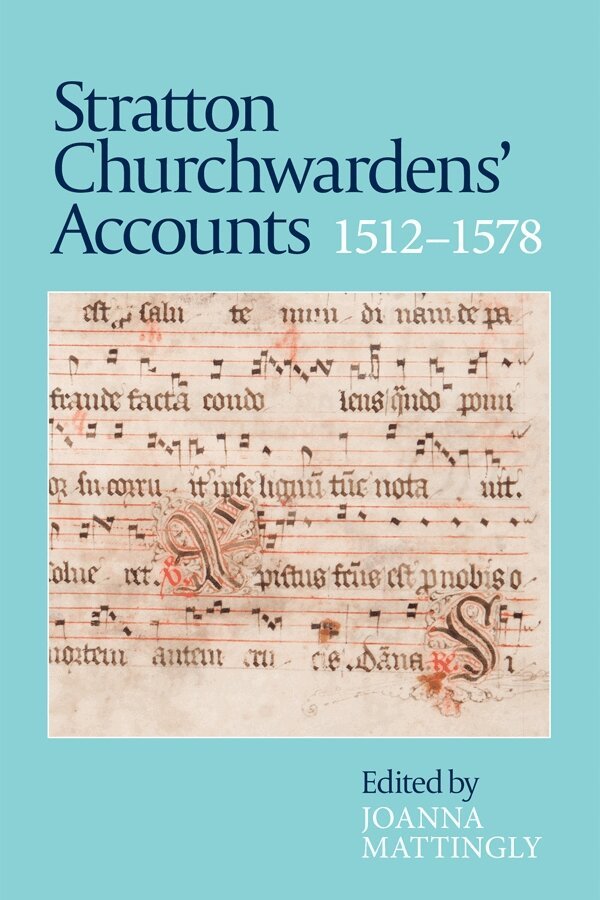
Stratton Churchwardens' Accounts, 1512-1578
Häftad, Engelska, 2018
383 kr
Skickas inom 7-10 vardagar
Spanning the period 1512-78, the High Cross churchwardens' accounts of Stratton, in Cornwall, are unusually complete and informative. Written mostly in English, they are among only eighteen surviving sets of Pre-Reformation churchwardens' accounts which cover the whole period 1535-70, when most Reformation change took place.Spanning the period 1512-78, the High Cross churchwardens' accounts of Stratton, in Cornwall, are unusually complete and informative. Written mostly in English, they are among only eighteen surviving sets of Pre-Reformation churchwardens' accounts which cover the whole period 1535-70, when most Reformation change took place. These accounts allow us to track the progress of the Reformation in a single parish and its impact on the lives of ordinary people.Stratton, in addition, has a partial set of general receivers' or stock wardens' accounts, which give much additional information about the parish at this time. They show how much has been lost from other parishes, shed light on the 1548-9 Cornish rebellions and enable a more narrative approach to be taken than is usually possible with churchwardens' accounts, often dismissed as mere lists. The volume also makes extensive use of the Blanchminster Charity records at the Cornwall Record Office, including deeds and leases of church lands, and an Elizabethan court case with rare pictorial plans showing Stratton's church, church house and market place. Together, these documents give a rounded picture of life in one parish in a period of important religious change. JOANNA MATTINGLY is a freelance researcher and Fellow of the Society of Antiquaries. Based in Cornwall, she has written books and articles on Mousehole and Newlyn, Cornish church architecture and medieval guilds, and church houses.
173 kr
Skickas
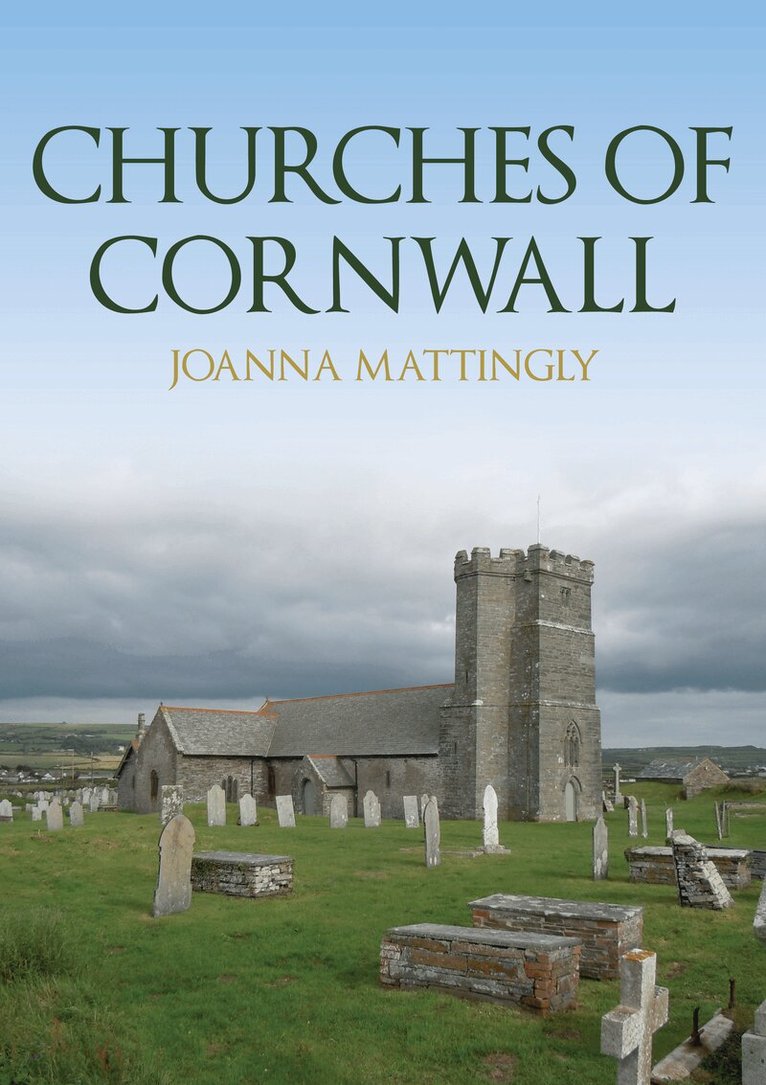
Cornish churches are not simple structures that nestle into the landscape, but complex and little-understood buildings, with many never being completed. The recurrent picture, from some of the best church building accounts to survive in Britain, is that most Cornish churches were building yards when Henry VIII became head of the Church of England and set the Reformation in motion. This makes it hard to find perfect examples for particular architectural periods. Pevsner notes that the vast majority of church fabric is Perpendicular Gothic, with granite the material of choice by the sixteenth century. Tin, trade and farming fuelled this great rebuilding, with 140 of the 209 medieval Cornish parish churches still having Norman architectural features. Earlier Christian memorial stones and churchyard crosses were recycled as foundations. Georgian vandalism of church fabric, especially window tracery, is well documented, though Victorian restorations often went too far in trying to put things right.In this book author Joanna Mattingly explores a fascinating selection of churches from right across Cornwall in both urban and rural locations. Those featured include all Cornish dendro-dated churches and examples from each of the ten deaneries. From St Allen and St Austell to Tintagel and Truro, the author chronicles many engaging and insightful aspects of the county’s ecclesiastical, architectural and social history. Illustrated throughout, Churches of Cornwall will be of immense interest to local historians, residents and visitors to the county.
168 kr
Skickas
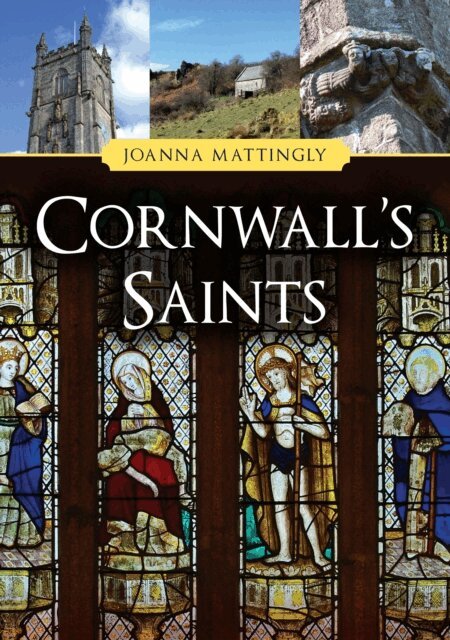
Cornwall has more varied saints’ dedications than any other county. In addition to the usual saints found in the rest of the country and the wider Christian world, more than 140 Brittonic or local saints have been identified here. Saints are identified with sites across Cornwall – from churches, chapels, crosses and holy wells, to guilds, stores, lights and natural features. Conventional Roman-approved saints such as St Peter and St Paul vie with St Lallu and St Neot, Brittonic saints shared with Wales, Brittany and Cornwall – evidenced by the county’s joint patron saints, St Michael and St Petroc, now St Piran. A rich tapestry of holy places, customs and beliefs associated with these saints developed in Cornwall, which can still be discerned visually in the county today.Cornish people once believed that they could walk in the footsteps of their saints, whether local or not. This book will focus on what evidence remains for these saints’ cults in Cornwall as well as giving an insight into Cornish beliefs both before and after the Reformation. This fascinating picture of an important part of Cornish history over the centuries will be of interest to all those who live in or are visiting this county.