João Nemi Neto - Böcker
Visar alla böcker från författaren João Nemi Neto. Handla med fri frakt och snabb leverans.
3 produkter
3 produkter
1 174 kr
Skickas inom 10-15 vardagar
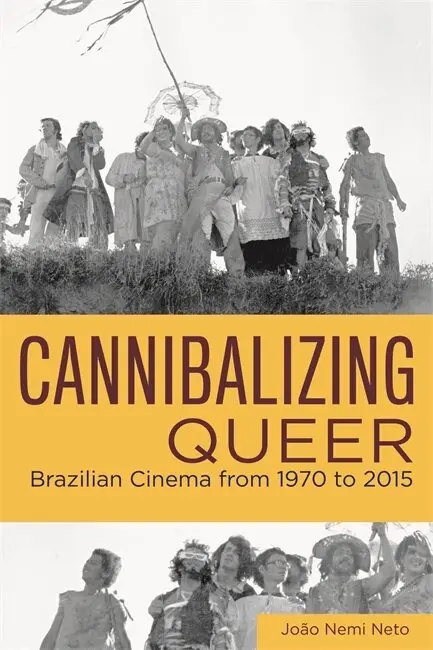
Puts forward a new, provocative history of queer cinema in Brazil.Through an analysis of contemporary Brazilian cinematic production,Cannibalizing Queer: Brazilian Cinema from 1970 to 2015 discusses which queer representations are erased and which are acknowledged in the complex processes of cultural translation, adaptation, and "devouring" that defines the Brazilian understanding of sexual dissidents and minorities. João Nemi Neto argues for Brazilian cinema studies to acknowledge the importance of 1920s modernism and of antropografia, a conceptual mode of cannibalism, to adopt and extrapolate a perverse form of absorption and raise the stakes on queer theory and postcolonialism, and to demonstrate how they are crucial to the development of a queer tradition in Brazilian cinema.In five chapters and two "trailers," Nemi Neto understands the term "queer" through its political dimensions because the films he analyzes represent characters that conform neither to American coming-out politics nor to Brazilian identity politics. Nonetheless, the films are queer precisely because the queer experiences and affection explored in these films do not necessarily insist on identifying characters as a particular sexuality or gender identity. Therefore, attention to characters within a unique cinematic world raises the stakes on several issues that hinge on cinematic form, narrative, and representation. Nemi Neto interviews and examines the work of João Silvério Trevisan and provides readings of films such as AIDS o furor do sexo explícito (AIDS the Furor of Explicit Sex, 1986), and Dzi Croquettes (2009) to theorize a productive overlap between queer and antropofagia. Moreover, the films analyzed here depict queer alternative representations to both homonormativity and heteronormativity as forms of resistance, at the same time as prejudice and heteronormativity remain present in contemporary Brazilian social practices.Graduate students and scholars of cinema and media studies, queer studies, Brazilian modernism, and Latin American studies will value what one early reader called "a point of departure for all future research on Brazilian queer cinema.
422 kr
Skickas inom 10-15 vardagar
Puts forward a new, provocative history of queer cinema in Brazil.Through an analysis of contemporary Brazilian cinematic production,Cannibalizing Queer: Brazilian Cinema from 1970 to 2015 discusses which queer representations are erased and which are acknowledged in the complex processes of cultural translation, adaptation, and "devouring" that defines the Brazilian understanding of sexual dissidents and minorities. João Nemi Neto argues for Brazilian cinema studies to acknowledge the importance of 1920s modernism and of antropografia, a conceptual mode of cannibalism, to adopt and extrapolate a perverse form of absorption and raise the stakes on queer theory and postcolonialism, and to demonstrate how they are crucial to the development of a queer tradition in Brazilian cinema.In five chapters and two "trailers," Nemi Neto understands the term "queer" through its political dimensions because the films he analyzes represent characters that conform neither to American coming-out politics nor to Brazilian identity politics. Nonetheless, the films are queer precisely because the queer experiences and affection explored in these films do not necessarily insist on identifying characters as a particular sexuality or gender identity. Therefore, attention to characters within a unique cinematic world raises the stakes on several issues that hinge on cinematic form, narrative, and representation. Nemi Neto interviews and examines the work of João Silvério Trevisan and provides readings of films such as AIDS o furor do sexo explícito (AIDS the Furor of Explicit Sex, 1986), and Dzi Croquettes (2009) to theorize a productive overlap between queer and antropofagia. Moreover, the films analyzed here depict queer alternative representations to both homonormativity and heteronormativity as forms of resistance, at the same time as prejudice and heteronormativity remain present in contemporary Brazilian social practices.Graduate students and scholars of cinema and media studies, queer studies, Brazilian modernism, and Latin American studies will value what one early reader called "a point of departure for all future research on Brazilian queer cinema.
1 236 kr
Skickas inom 10-15 vardagar
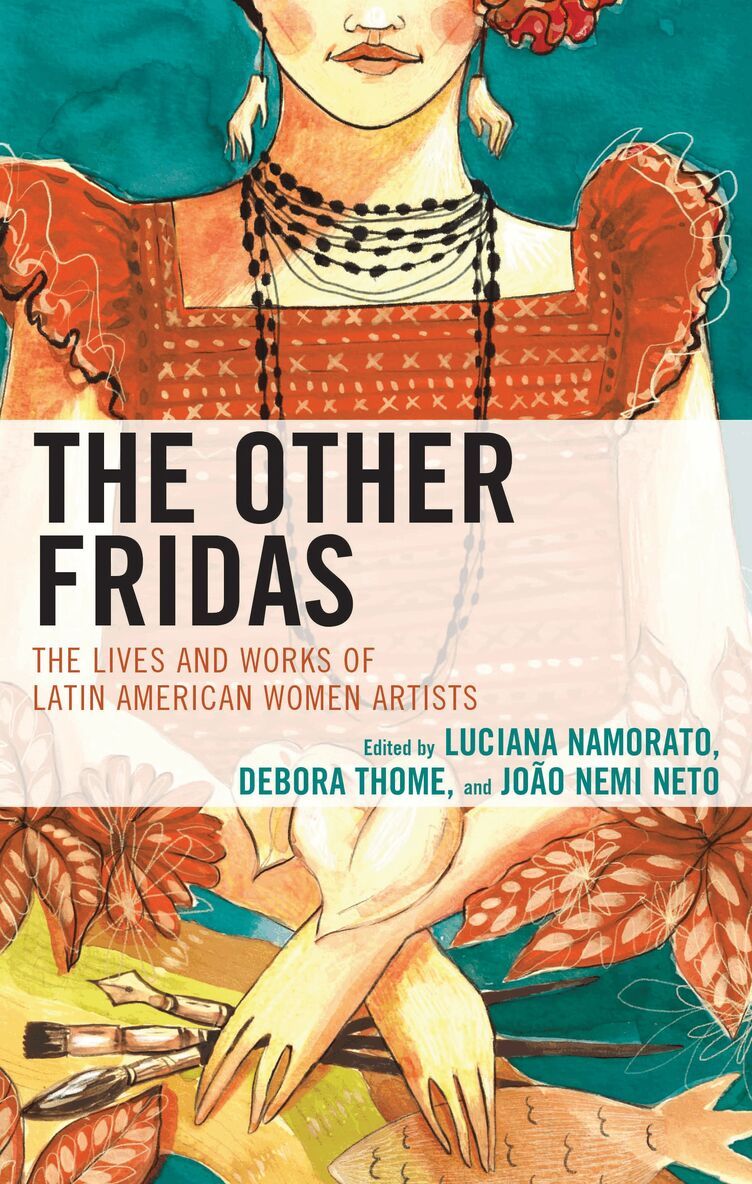
The Other Fridas: The Lives and Works of Latin American Women Artists explores the lives of prominent and lesser known artists from a dozen different countries, and seeks to understand their artistic contributions and their complex lives. Frida Kahlo is one of the most recognizable women artists of the Western world and an icon of feminism. Yet, Latin America has produced many other women artists who, like Kahlo, challenged conventions of their day, transgressed gender stereotypes, and significantly contributed to cultural and artistic realms. Most have been overshadowed by their male counterparts; and while some have been recognized in their home countries, the vast majority have remained in obscurity at home and abroad. This collection brings together sixteen essays, and features such artists as Chilean composer Violeta Parra, Cuban painter Belkis Ayón, nineteenth-century Portuguese-Brazilian actress Maria Velluti, Puerto Rican painter and sculptor Luisa Géigel Brunet, and many more. This book celebrates the lives and creativity of these underrecognized artists, and the contributions that they have made towards Latin American art.