Joe Cook - Böcker
Visar alla böcker från författaren Joe Cook. Handla med fri frakt och snabb leverans.
8 produkter
8 produkter
122 kr
Skickas inom 5-8 vardagar
324 kr
Skickas inom 3-6 vardagar
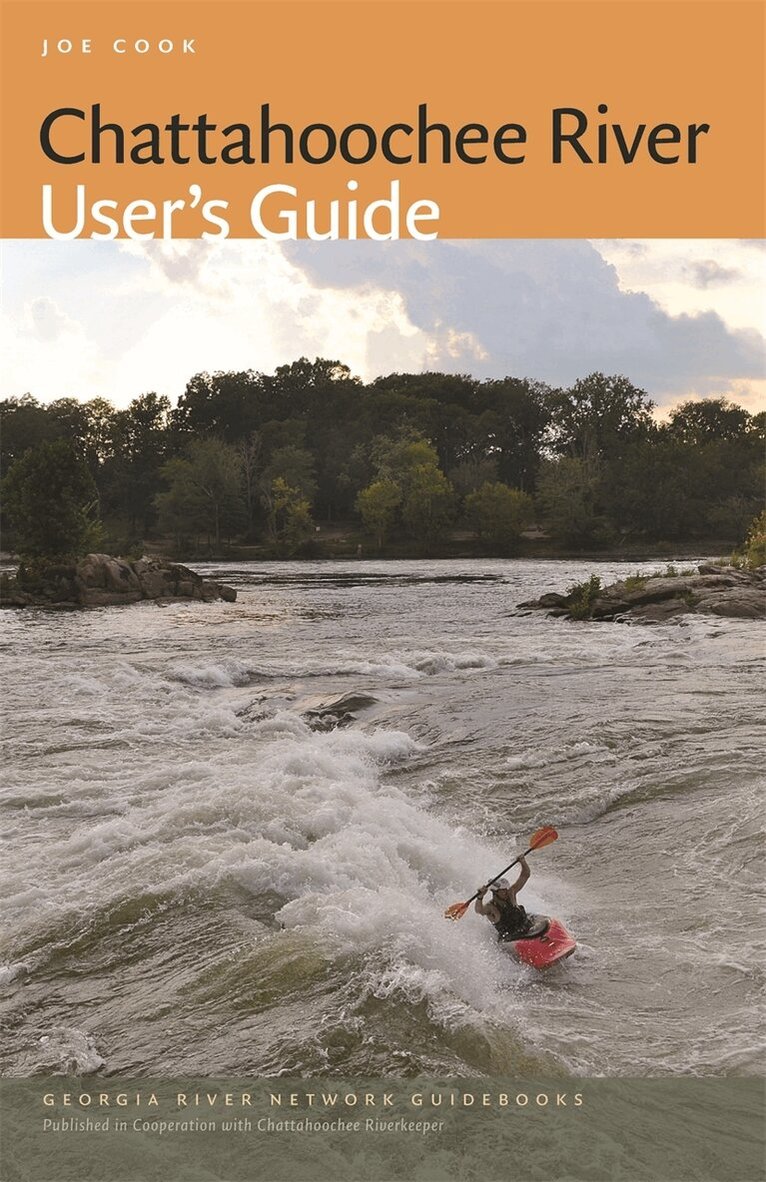
The Chattahoochee River is one of the premier waterways of Georgia and the Southeast. It is a mecca for summer recreation, a priceless natural resource that provides water and power for a great number of Georgia’s citizens, and an essential component to the region’s ecosystem. As public interest in both exploring and protecting Georgia’s rivers such as the Chattahoochee grows, so too has the demand for clear and elegant guides to our rivers. The Chattahoochee River User’s Guide—the latest in a series of river guides from Georgia River Network and the University of Georgia Press—aims to meet that demand.The Chattahoochee River User’s Guide traces the 430-mile course of the Hooch from its headwaters at a spring on Coon Den Ridge near Jacks Knob in northeastern Georgia to its confluence with the Flint River, where they form the Apalachicola River.The Georgia River Network guides provide many little-known facts about Georgia’s rivers, bring to life the river’s cultural and natural history, and present river issues in an immersive and engaging manner that will inspire users to help protect their local waterways.The guide includes200 color photographs32 user-friendly maps that reveal the towns, roads, entry points,bridges, public lands, parks, and other landmarks along theriver’s course from the southern Blue Ridge Mountains to theGeorgia-Florida borderDetailed practical information about public access points,potential hazards, camping facilities, and GPS coordinates forpoints of interestA primer on fishingAn introduction and safety overview, as well as a concise naturalhistory guide to common flora and fauna of the river corridor
309 kr
Skickas inom 3-6 vardagar
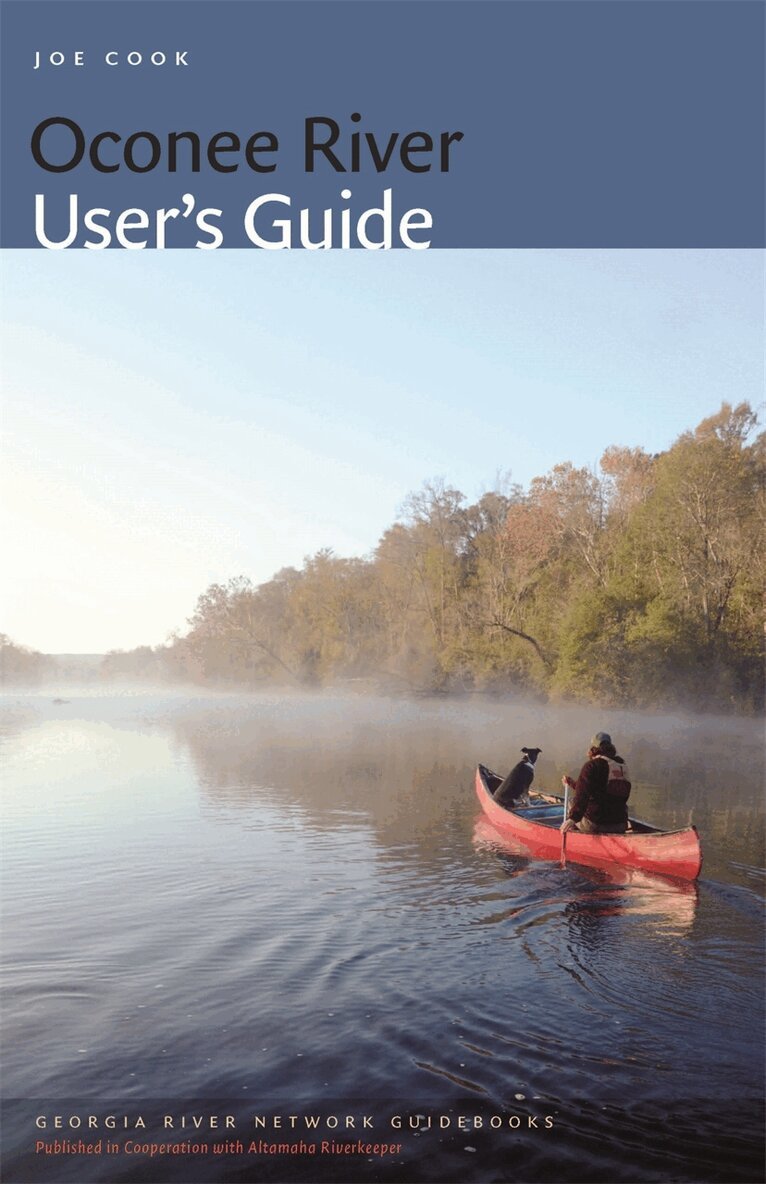
From its small headwaters in Hall County, Georgia, the North Oconee winds nearly seventy miles, tumbling over granite outcroppings at Hurricane Shoals and on to Athens, where it meets the Middle Oconee. From there, the Oconee courses 220 miles through east-central Georgia to meet the Ocmulgee convergence near Lumber City, forming the Altamaha River, which flows to the Atlantic Ocean. As the Oconee’s importance as a recreational amenity has grown over the years, University of Georgia students and instructors, the Altamaha Riverkeeper, Georgia River Network, Upper Oconee Watershed Network, and the North Oconee River Greenway have worked together to create a plan for water trails and recreational trails along the river as it flows through Athens.In the Oconee River User’s Guide, both novice and experienced water sports enthusiasts will find all the information required to enjoy the river, including detailed maps, put in and take out suggestions, fishing and camping locations, mile-by-mile points of interest, and an illustrated guide to the animals and plants commonly seen in and around the river. Daytrippers will enjoy Joe Cook’s fascinating description of the cultural and natural heritage of this richly diverse waterway.The Oconee River is home to seventy-four species of fish, including the Altamaha shiner, found only in the Altamaha River basin, as well as thirty-seven species of salamanders and frogs and forty-three species of reptiles, including the American alligator, found in the lower Oconee downstream of Milledgeville.FEATURES:an introduction and overview of the riverchapters describing each river section with detailed maps and notes on river access and points of interesta compact natural history guide featuring species of interest found along Georgia’s rivers notes on safety and boating etiquettea fishing primernotes on organizations working to protect the river
415 kr
Skickas inom 7-10 vardagar
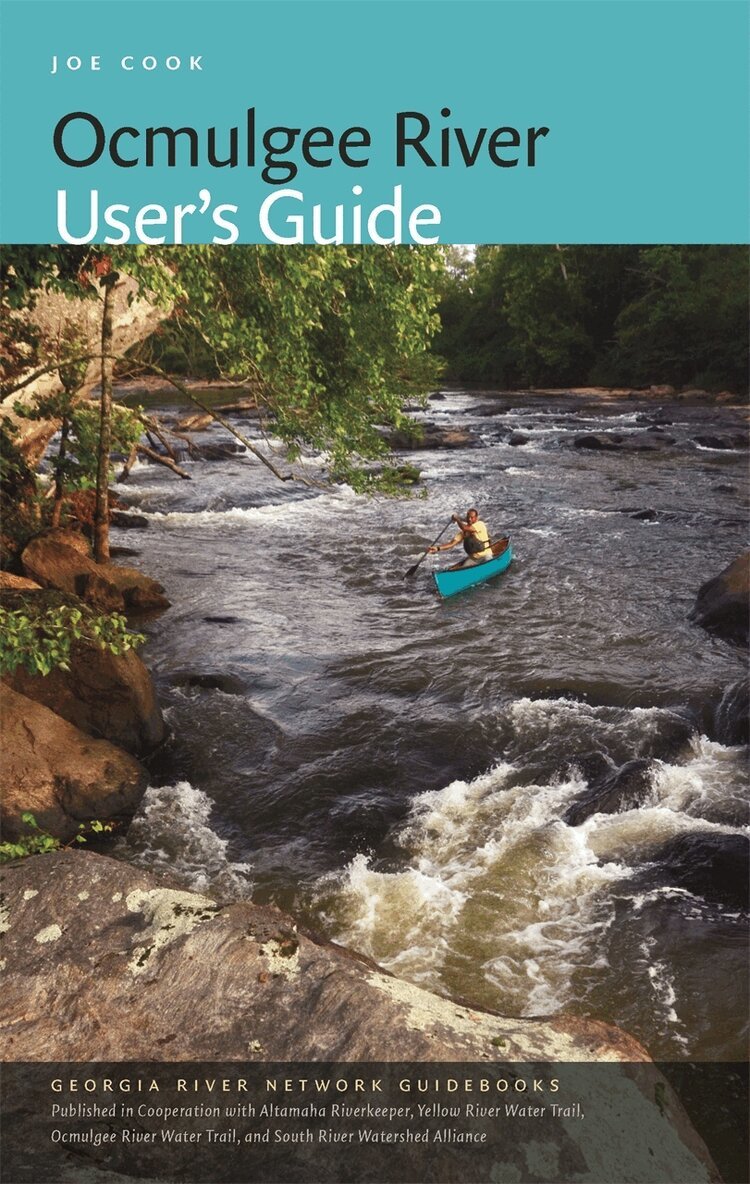
Unlike many other Georgia rivers that begin their journeys to the sea along the flanks of ridges in the relatively pristine confines of national forest lands, the Ocmulgee—a name that means “where water boils up” in Muskogee—rises inside Atlanta’s I-285 perimeter highway as the South River in a jungle of asphalt and concrete. In fact, its very headwaters are buried beneath a hazardous waste site. Its other main tributaries—the Yellow and Alcovy—rise in Atlanta’s fast-growing northeast suburbs of Gwinnett County, and they too have not escaped the impacts of city life. Yet the Ocmulgee also hosts one hundred species of fish, eighty-five of which are native to the river, as well as eighteen native freshwater mussel species, including seven species found nowhere else on the planet. In the Ocmulgee River User’s Guide, both novice and experienced water sports enthusiasts will fi nd all the information required to enjoy the full length of the river through Macon to its confluence with the Altamaha near Lumber City. Author Joe Cook includes detailed maps, put in and take out suggestions, fishing and camping locations, mile-by-mile points of interest, and an illustrated guide to the animals and plants commonly seen in and around the river. Day-trippers will enjoy the guide’s fascinating description of the cultural and natural heritage of this richly diverse waterway.FEATURES: An introduction and overview of the river Chapters describing each river section with detailed maps and notes on river access and points of interest A compact natural history guide featuring species of interest Notes on safety and boating etiquette A fishing primer Notes on organizations working to protect the river
301 kr
Skickas inom 3-6 vardagar
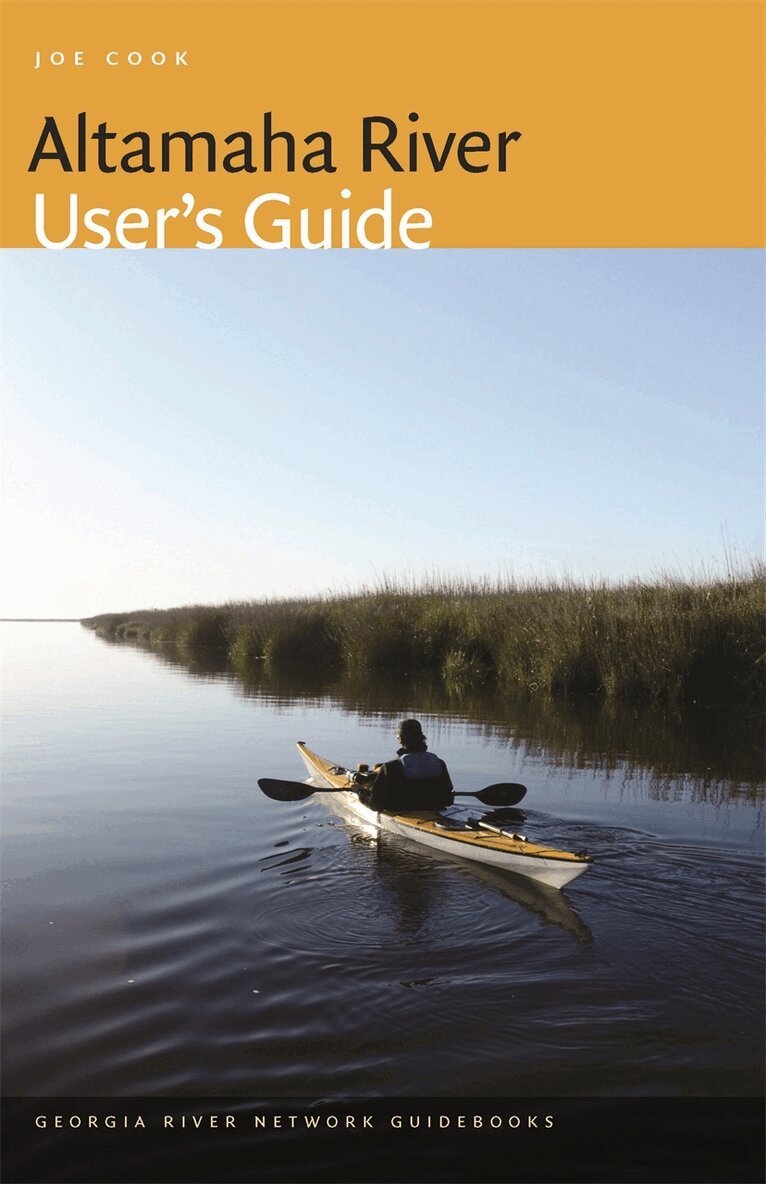
In the Altamaha River User's Guide, both novice and experienced water sports enthusiasts will find all the information required to enjoy the full length of the 137-mile river formed at the confluence of the Oconee and Ocmulgee Rivers east of Lumber City, Georgia, as well as its major tributary, the Ohoopee, which winds some 120 miles through south-central Georgia. The drainage basin of the largest river in Georgia is about 14,000 square miles in size, qualifying it among the larger river basins of the U.S. Atlantic coast. At least 120 species of rare or endangered plants and animals live in the Altamaha River watershed, including 18 species of freshwater mussels, 7 of which are endemic to the Altamaha. The river basin is also home to federally protected Atlantic and shortnose sturgeons and supports the only known example of old-growth longleaf pine and black oak forest in the United States. The unusual Franklin tree (Franklinia altamaha), now extinct in the wild, was found by British naturalist John Bartram along the Altamaha in 1765. Because of its rich biodiversity, the Altamaha is often referred to as Georgia’s Little Amazon. The river passes through sparsely populated land, with Brunswick, Savannah, and Jesup being the largest nearby cities, yet owing to its importance in the history of Georgia—from the first settlements at Darien through the steamboat era of the late 1800s and early 1900s—the river holds a special place in the state’s cultural history. Indeed, its headwater streams stretch all the way to metro Atlanta and Athens. In tandem with the already published Oconee and Ocmulgee River User’s Guides, the publication of the Altamaha River User’s Guide completes UGA Press’s documentation of Georgia’s largest river system. Author Joe Cook includes detailed maps, put-in and takeout suggestions, fishing and camping locations, mile-by-mile points of interest, and an illustrated guide to the animals and plants commonly seen in and around the river. Day-trippers will enjoy the guide's fascinating description of the cultural and natural heritage of this richly diverse waterway. FEATURES: an introduction and overview of the river chapters describing each river section, with detailed maps and notes on river access and points of interest a compact natural history guide featuring species of interest notes on safety and boating etiquette a fishing primer notes on organizations working to protect the river
206 kr
Skickas inom 5-8 vardagar
179 kr
Skickas inom 5-8 vardagar
314 kr
Skickas inom 5-8 vardagar