Joe William Trotter - Böcker
Visar alla böcker från författaren Joe William Trotter. Handla med fri frakt och snabb leverans.
5 produkter
5 produkter
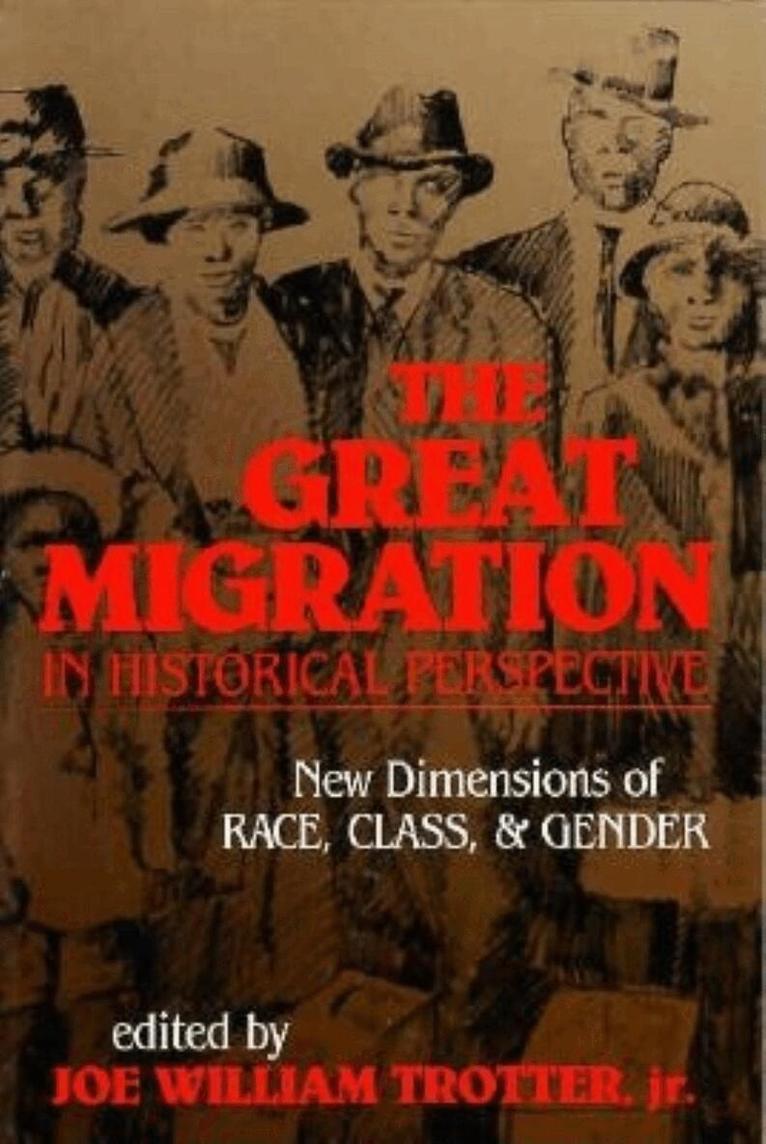
Great Migration in Historical Perspective
New Dimensions of Race, Class, and Gender
Häftad, Engelska, 1991
213 kr
Skickas inom 10-15 vardagar
"The essays collected in this book represent the best of our present understanding of the African-American migration which began in the early twentieth century." —Southern Historian"As an overview of a field in transition, this is a valuable and deeply thought-provoking anthology." —Pennsylvania History" . . . provocative and informative . . . " —Louisiana History"The papers themselves are uniformly strong, and read together cast interesting light upon one another." —Georgia Historical Quarterly" . . . well-written and insightful essays . . . " —Journal of American History"This well-researched and well-documented collection represents the latest scholarship on the black migration." —Illinois Historical Journal" . . . an impressive balance of theory and historical content . . . " —Indiana Magazine of HistoryLegions of black Americans left the South to migrate to the jobs of the North, from the meat-packing plants of Chicago to the shipyards of Richmond, California. These essays analyze the role of African Americans in shaping their own geographical movement, emphasizing the role of black kin, friend, and communal network. Contributors include Darlene Clark Hine, Peter Gottlieb, James R. Grossman, Earl Lewis, Shirley Ann Moore, and Joe William Trotter, Jr.
440 kr
Skickas inom 3-6 vardagar
Since the nineteenth century, the Ohio River has represented a great divide for African Americans. It provided a passage to freedom along the underground railroad, and during the industrial age, it was a boundary between the Jim Crow South and the urban North. The Ohio became known as the "River Jordan," symbolizing the path to the promised land. In the urban centers of Pittsburgh, Cincinnati, Louisville, and Evansville, blacks faced racial hostility from outside their immediate neighborhoods as well as class, color, and cultural fragmentation among themselves. Yet despite these pressures, African Americans were able to create vibrant new communities as former agricultural workers transformed themselves into a new urban working class. Unlike most studies of black urban life, Trotter's work considers several cities and compares their economic conditions, demographic makeup, and political and cultural conditions. Beginning with the arrival of the first blacks in the Ohio Valley, Trotter traces the development of African American urban centers through the civil rights movement and the developments of recent years.
African American Urban History from Past to Future
Essays on the State of a Field
Inbunden, Engelska, 2025
798 kr
Skickas inom 7-10 vardagar
Drawing on significant recent scholarship on African American urban life over three centuries, Black Urban History at the Crossroads bridges disparate chronological, regional, topical, and thematic perspectives on the Black urban experience beginning with the Atlantic slave trade. Across ten cutting-edge chapters, leading scholars explore the many ways that urban Black people across the United States built their own communities; crafted their own strategies for self-determination; and shaped the larger economy, culture, and politics of the urban environment and of their cities, regions, and nation. This volume not only highlights long-running changes over time and space, from preindustrial to emerging postindustrial cities, but also underscores the processes by which one era influences the emergence of the next moment in Black urban history.
391 kr
Skickas inom 10-15 vardagar
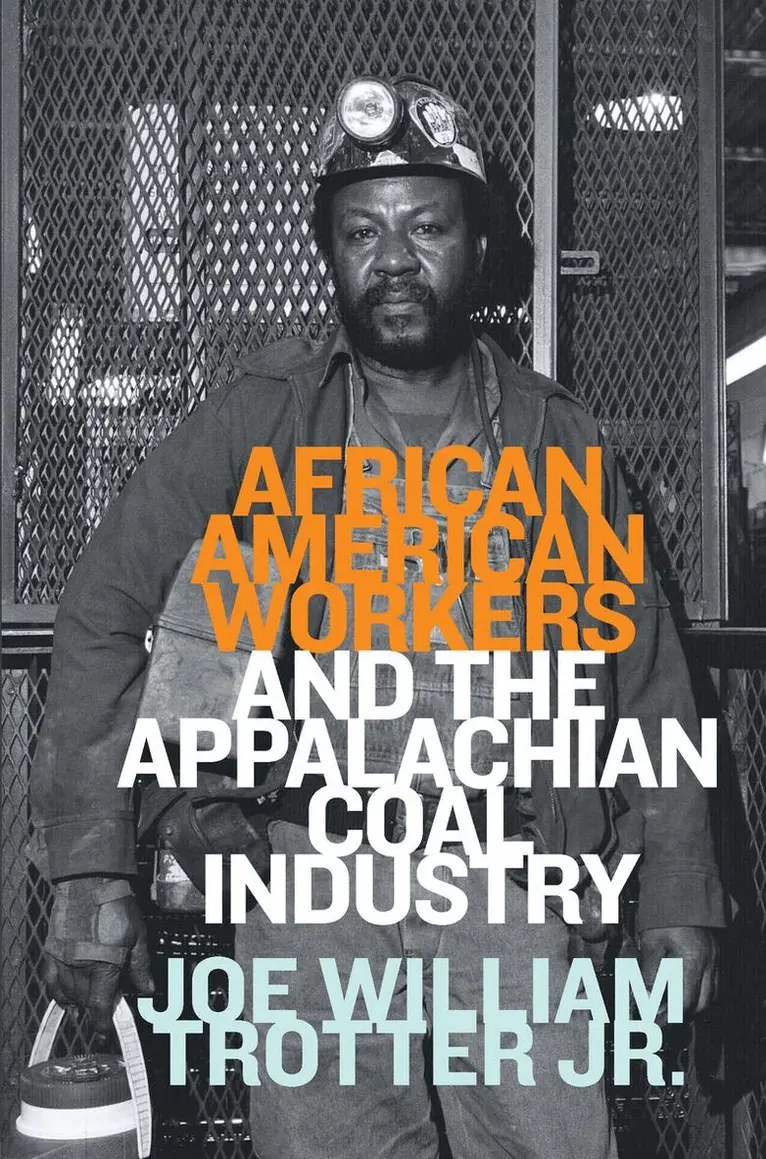
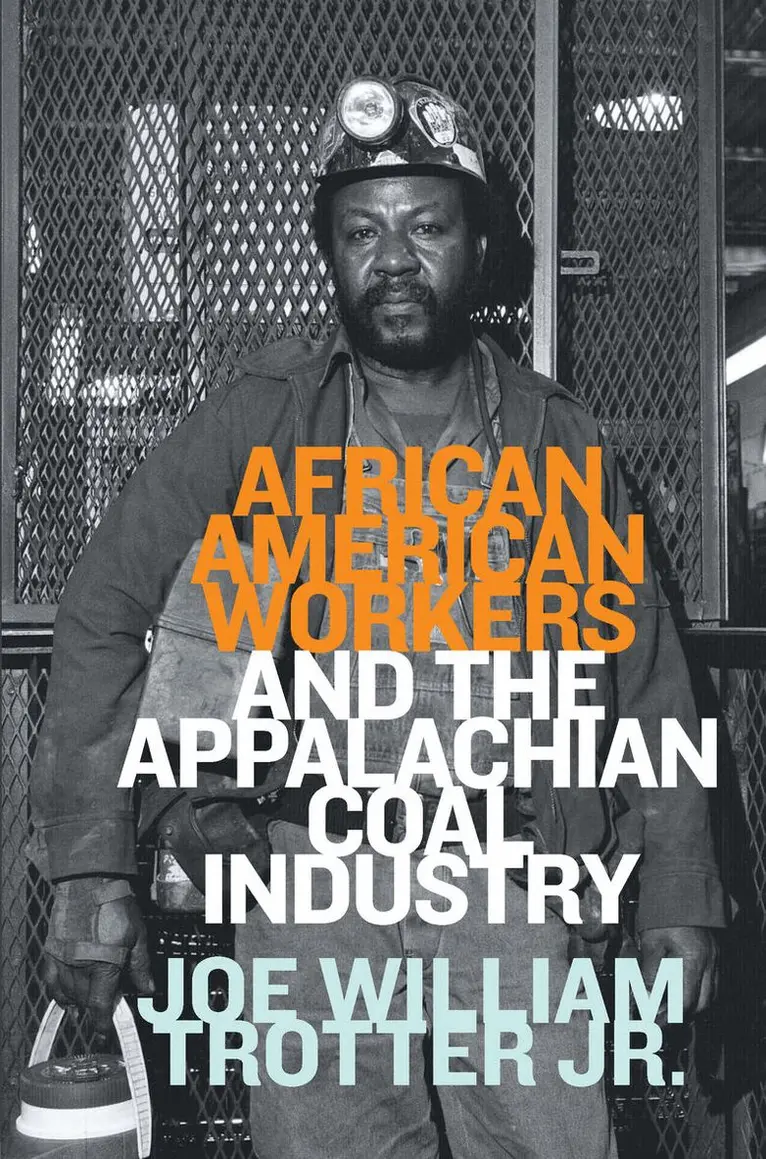
Essays by the foremost labor historian of the Black experience in the Appalachian coalfields.This collection brings together nearly three decades of research on the African American experience, class, and race relations in the Appalachian coal industry. It shows how, with deep roots in the antebellum era of chattel slavery, West Virginia's Black working class gradually picked up steam during the emancipation years following the Civil War and dramatically expanded during the late nineteenth and early twentieth centuries.From there, African American Workers and the Appalachian Coal Industry highlights the decline of the region's Black industrial proletariat under the impact of rapid technological, social, and political changes following World War II. It underscores how all miners suffered unemployment and outmigration from the region as global transformations took their toll on the coal industry, but emphasizes the disproportionately painful impact of declining bituminous coal production on African American workers, their families, and their communities. Joe Trotter not only reiterates the contributions of proletarianization to our knowledge of US labor and working-class history but also draws attention to the gender limits of studies of Black life that focus on class formation, while calling for new transnational perspectives on the subject. Equally important, this volume illuminates the intellectual journey of a noted labor historian with deep family roots in the southern Appalachian coalfields.
240 kr
Skickas inom 10-15 vardagar
Essays by the foremost labor historian of the Black experience in the Appalachian coalfields.This collection brings together nearly three decades of research on the African American experience, class, and race relations in the Appalachian coal industry. It shows how, with deep roots in the antebellum era of chattel slavery, West Virginia’s Black working class gradually picked up steam during the emancipation years following the Civil War and dramatically expanded during the late nineteenth and early twentieth centuries.From there, African American Workers and the Appalachian Coal Industry highlights the decline of the region’s Black industrial proletariat under the impact of rapid technological, social, and political changes following World War II. It underscores how all miners suffered unemployment and outmigration from the region as global transformations took their toll on the coal industry, but emphasizes the disproportionately painful impact of declining bituminous coal production on African American workers, their families, and their communities. Joe Trotter not only reiterates the contributions of proletarianization to our knowledge of US labor and working-class history but also draws attention to the gender limits of studies of Black life that focus on class formation, while calling for new transnational perspectives on the subject. Equally important, this volume illuminates the intellectual journey of a noted labor historian with deep family roots in the southern Appalachian coalfields.